

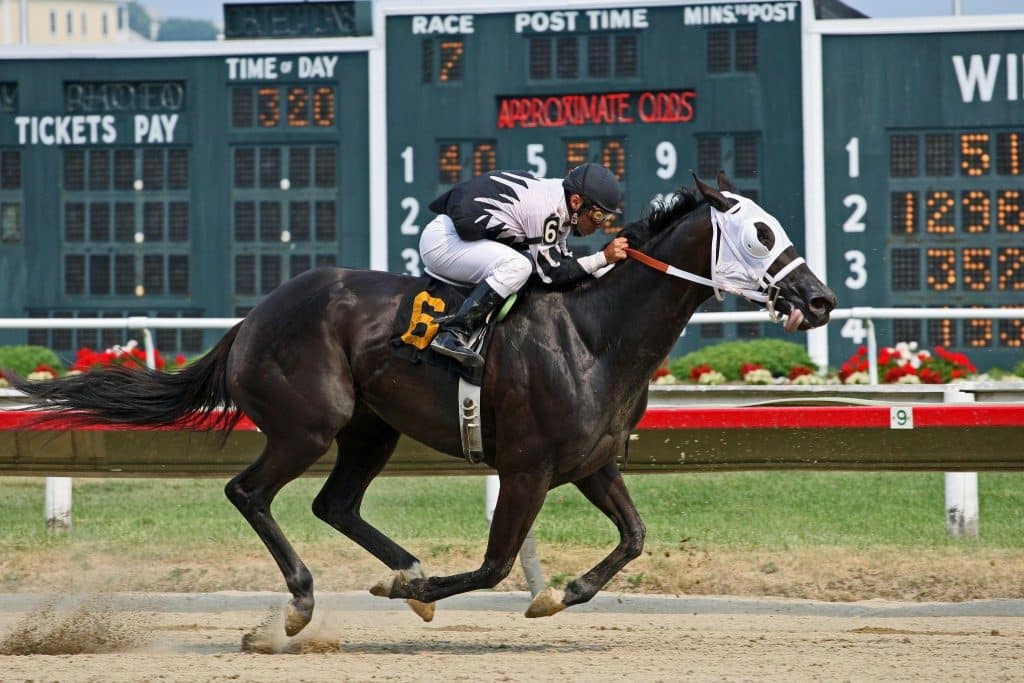
The Kentucky Derby is a sporting event, but it also works as a national ritual. On the first Saturday in May, Louisville becomes a stage where history, style, music, food, and local pride meet. The race lasts about two minutes, yet the traditions around it fill weeks of planning and conversation.
For adults who follow horse racing, the Derby is a touchstone that blends competition with ceremony. For many who don’t, it’s still a familiar symbol of spring and spectacle. Its cultural significance comes from what surrounds the track: the stories people repeat, the clothes they choose, the songs they sing, and the way the city welcomes visitors. To understand the Derby, it helps to treat it as a living festival, not only a race.
Roots and Symbols
The Derby began in 1875 at Churchill Downs, inspired by European racing but shaped quickly by American showmanship. Symbols grew through repetition. The garland of roses became the clearest visual cue, while Run for the Roses turned into shorthand for prestige. “My Old Kentucky Home” anchors the day with a communal sing-along that ties the event to place and memory.
The story also includes chapters that deserve attention. In the late nineteenth century, Black jockeys were prominent in many major races, with several capturing the Derby. Their eventual exclusion from the sport mirrors broader patterns of restricted opportunity and shifting power in American society.
Visitors can explore that context through local exhibits, track tours, and archival collections. These resources add depth to the celebration and help explain why the Derby feels larger than a single race on a single afternoon. Even the Twin Spires act like a logo, appearing on tickets, broadcasts, and souvenirs, reminding fans that tradition is built from recognizable landmarks.
Fashion as Social Language
Derby fashion isn’t decoration. It’s a social language that lets people participate even if they never study pedigrees or training schedules. Wide-brimmed hats, vibrant dresses, sharp suits, and striking colors all convey festivity and a sense of care in presentation. Many attendees plan outfits months ahead, treating the look as part of the event, not an afterthought.
Style at Churchill Downs also connects the Derby to older American ideas of public gatherings as occasions for display. Photos taken on the grounds travel instantly, turning personal choices into part of the Derby image.
For viewers at home, fashion coverage makes the day feel accessible. It provides an easy way to participate: dress up, host a themed brunch, and create a visual vibe that complements the broadcast. That shared atmosphere fosters connection, even among viewers far from Kentucky, while practical touches keep the experience seamless. Light fabrics handle May weather, and hat pins or bands keep statement pieces secure during crowds and breezes outdoors.
Following the Derby Field Closely
In the weeks leading up to the Kentucky Derby, many fans begin following the field of contenders as closely as they follow the pageantry around the event. Prep races across the country help set the field, while commentators break down training schedules, jockey connections, and track conditions. For fans who enjoy the analytical side, these details add depth to the Derby’s broader cultural draw.
The large field also makes the race especially interesting to follow. Each horse arrives with a different story, from standout performances in prep races to notable trainer strategies. Fans often review past performances, observe running styles, and pay attention to post positions, since the crowded starting gate can influence how the race unfolds.
For those interested in the betting perspective, odds provide a snapshot of how the field is viewed heading into race day. Online sportsbooks such as FanDuel publish Kentucky Derby odds that allow fans to see how contenders compare in the market. These numbers often shift as race day approaches, reflecting new information, public attention, and changes to the lineup after scratches.
Food, Sound, and Local Pride
The Derby lives in the senses as much as on the track. The mint julep is the headline drink, but the wider table matters: bourbon tastings, regional dishes, and hospitality menus that range from backyard casual to formal service. These traditions make it easy for the Derby to travel. A watch party in another state can recreate the feel with a focused menu, simple décor, and a printed schedule for the day.
Sound is equally important. Bugle calls, the call to the post, and the familiar pre-race song form a recognizable sequence for fans. The city of Louisville adds its own rhythm to the week, extending the experience beyond the track. Local restaurants, artists, and small businesses host events that bring visitors into neighborhoods, not just grandstands.
Charity galas, museum programs, and community runs turn race weekend into a citywide festival built around pride and welcome. The Kentucky Derby Festival adds concerts and parades, and Thunder Over Louisville opens with fireworks that locals treat as an annual kickoff.
Media and Modern Identity
The Derby is built for storytelling. Broadcasts frame the day as a blend of sport and ceremony, pairing race coverage with human interest narratives, celebrity arrivals, and behind-the-scenes preparation.
Social platforms extend that reach. Short clips of hats, crowd reactions, and the winner’s walk circle the internet faster than the race itself. Over time, these images become the Derby that many people remember.
The event also reflects how American culture changes. Conversations about inclusion, labor, animal welfare, and local economic impact now sit beside the glamour. Brands use Derby week to signal heritage and hospitality, while Louisville is watched as a case study in event tourism.
For fans, the key appeal is balance. The Derby maintains a sense of timelessness while continuously embracing new voices, media habits, and evolving ideas of what a major tradition can represent. Documentaries, podcasts, and long-form features add context, helping audiences follow owners, trainers, and communities before the gates open. Each racing year.
A Tradition That Still Draws Crowds
The Kentucky Derby endures because it offers a shared script. People know when it happens, what it looks like, and how it should feel. It is one of the few American events where fashion, food, music, and sport come together in a single recognizable scene. Even those who never visit Churchill Downs can join through watch parties, local festivals, and returning stories each spring. Its staying power also comes from adaptability. New audiences find entry points through history, style, or the city itself. At its best, the Derby honors tradition while embracing the present, building a cultural memory that is personal, shared, and distinctly American.