

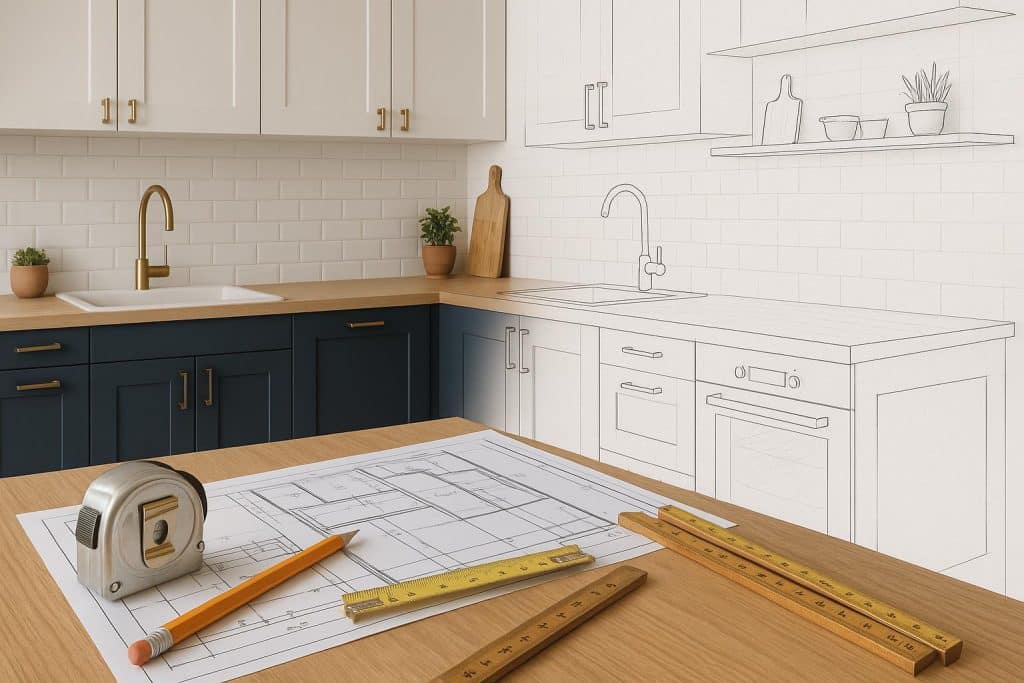
A kitchen renovation is one of the most exciting upgrades you can make to your home—but it can also feel overwhelming without the right plan. From budgeting and design decisions to hiring contractors and managing timelines, there are many moving parts. The key to a smooth, stress-free renovation is preparation, organization, and realistic expectations.
Here’s a complete, start-to-finish guide to planning your kitchen renovation the right way.
1. Define Your Goals and Priorities
Before choosing cabinets or countertops, get clear on why you’re renovating.
Ask yourself:
- Do you need more storage?
- Is the layout inefficient?
- Are appliances outdated?
- Are you renovating for personal use or resale value?
Create a priority list separating “must-haves” from “nice-to-haves.” For example:
Must-haves:
- Better workflow
- More counter space
- Updated appliances
Nice-to-haves:
- Wine fridge
- Statement lighting
- Custom pantry shelving
This clarity prevents emotional overspending later.
2. Set a Realistic Budget (With a Cushion)
Budgeting is where many renovations become stressful. To avoid surprises:
- Determine your maximum comfortable spend.
- Break it down by category:
- Cabinets (often 25–35%)
- Labor (20–30%)
- Appliances (10–20%)
- Countertops (10–15%)
- Fixtures, lighting, finishes (10%)
- Add a 10–20% contingency fund for unexpected costs.
Hidden issues like plumbing updates or electrical upgrades are common in older homes. Planning for them reduces panic later.
3. Plan the Layout Carefully
A beautiful kitchen means nothing if it doesn’t function well.
Focus on:
- The work triangle (sink, stove, refrigerator)
- Traffic flow
- Door clearances
- Storage accessibility
- Lighting placement
If your current layout works, keeping plumbing and gas lines in place can significantly reduce costs. However, if the space feels cramped or inefficient, reconfiguring may be worth the investment.
Consider consulting a kitchen designer for layout optimization. A few hours of professional advice can save thousands in mistakes.
4. Choose Your Style and Materials Early
Decision fatigue is real during renovations. Make as many design decisions as possible before demolition begins.
Select:
- Cabinet style and color
- Countertop material
- Backsplash
- Flooring
- Sink and faucet
- Lighting fixtures
- Hardware
Create a mood board (digital or physical) to ensure everything works cohesively.
Pro tip: Choose timeless elements for expensive features (like cabinets and countertops) and trendier options for easily replaceable items (like hardware or lighting).
5. Hire the Right Professionals
Choosing the right contractor is critical to a stress-free renovation.
Look for:
- Licensed and insured contractors
- Clear written estimates
- Detailed contracts
- Realistic timelines
- Strong reviews and references
Interview at least 2–3 contractors. Ask:
- What is your timeline?
- Who manages subcontractors?
- How do you handle delays?
- What is the payment schedule?
A clear contract should outline scope of work, materials, costs, and timeline milestones.
6. Create a Detailed Timeline
Most kitchen renovation in Toronto take 6–12 weeks depending on scope.
Typical phases:
- Planning & design – 2–4 weeks
- Ordering materials – 3–8 weeks (cabinets can take longer)
- Demolition – 1 week
- Rough plumbing/electrical – 1–2 weeks
- Installation – 2–4 weeks
- Finishing touches – 1–2 weeks
Order long-lead items (especially cabinets and appliances) early to avoid delays.
Remember: Delays are common. Build flexibility into your expectations.
7. Prepare for Temporary Disruption
Your kitchen will likely be unusable for weeks.
To reduce stress:
- Set up a temporary kitchen (microwave, toaster oven, mini fridge)
- Meal prep before demolition
- Use disposable plates if needed
- Plan easy meals or occasional takeout
If the renovation is extensive, some homeowners temporarily relocate. Planning this in advance keeps daily life manageable.
8. Stay Organized During Construction
During the renovation:
- Keep all contracts, receipts, and change orders in one folder.
- Communicate regularly with your contractor.
- Confirm design details before installation.
- Visit the site daily if possible.
Avoid making last-minute changes unless necessary. Change orders often increase costs and extend timelines.
If an issue arises, stay solution-focused rather than reactive. Most problems have manageable fixes.
9. Focus on Lighting and Storage
Two of the most overlooked elements in kitchen renovations are lighting and storage.
Layer your lighting:
- Ambient lighting (ceiling fixtures)
- Task lighting (under-cabinet lights)
- Accent lighting (pendants or decorative fixtures)
For storage, consider:
- Deep drawers instead of lower cabinets
- Pull-out shelves
- Pantry organizers
- Corner cabinet solutions
- Vertical dividers for trays and cutting boards
Smart storage solutions dramatically improve everyday functionality.
10. Do a Final Walkthrough Before Completion
Before making the final payment:
- Test all appliances
- Check cabinet alignment
- Inspect paint and finishes
- Run water fixtures
- Check outlets and switches
- Review caulking and sealing
Create a punch list of small corrections that need to be completed.
A detailed final inspection ensures everything meets your expectations.
11. Plan for Maintenance
Once your renovation is complete:
- Learn how to properly clean your countertop material.
- Seal stone surfaces if required.
- Maintain grout lines.
- Avoid harsh chemicals on cabinets.
Protecting your investment keeps your kitchen looking new for years.
Bonus Tips for a Truly Stress-Free Experience
- Avoid renovating during major life events.
- Don’t compare your project to social media perfection.
- Expect minor setbacks—they’re normal.
- Celebrate milestones along the way.
Renovations are temporary. The results are long-term.
Final Thoughts
A stress-free kitchen renovation isn’t about avoiding all challenges—it’s about being prepared for them. With clear goals, a realistic budget, the right team, and careful planning, you can transform your kitchen smoothly and confidently.
The more decisions you make upfront, the fewer surprises you’ll face during construction. Stay organized, communicate openly, and trust the process.
In the end, your kitchen will not just look better—it will function better, feel better, and add value to your home for years to come.