

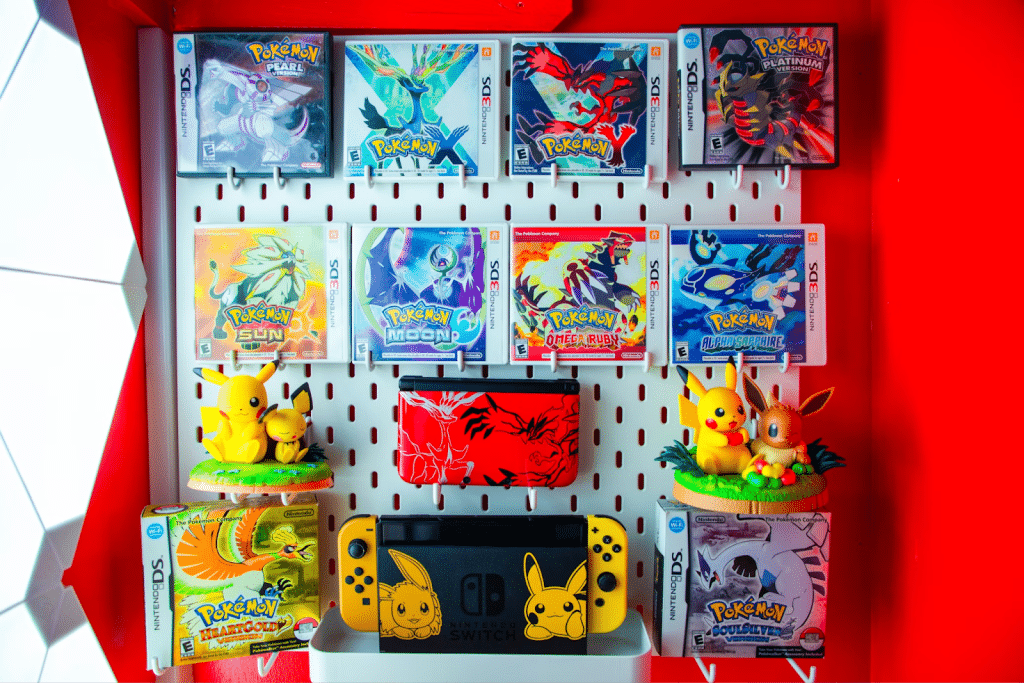
Something has shifted in how people spend their money, time and energy outside of work. Across demographics and income levels, a growing number of consumers are gravitating toward collecting, community and the kind of tactile experience that purely digital entertainment cannot replicate.
The collectibles market, once associated primarily with niche hobbyists, has become a mainstream economic force. Trading cards, limited-edition figures, sealed products and branded merchandise have moved from bedroom shelves to investment portfolios and auction houses.
Understanding what drives this shift matters well beyond the hobby space. It reflects something significant about how modern consumers form identity, seek community and decide where their attention and money go.
The Rise of Collectible Culture
The trajectory of collectible culture over the past decade has been steep and largely unexpected. Trading card games once considered childhood nostalgia have become serious markets, with graded cards selling at auction for sums that rival fine art.
Physical goods in a digital world have found renewed relevance precisely because they cannot be copied, duplicated or infinitely reproduced. Scarcity and tangibility have become selling points in their own right.
A significant portion of this growth is driven by the intersection of nostalgia and new audiences. Millennials who grew up in the late 1990s and early 2000s now have disposable income and the motivation to reconnect with the franchises that shaped their childhoods.
At the same time, younger generations have discovered these categories fresh, drawn in by community culture, competitive gameplay and the appeal of owning something genuinely rare.
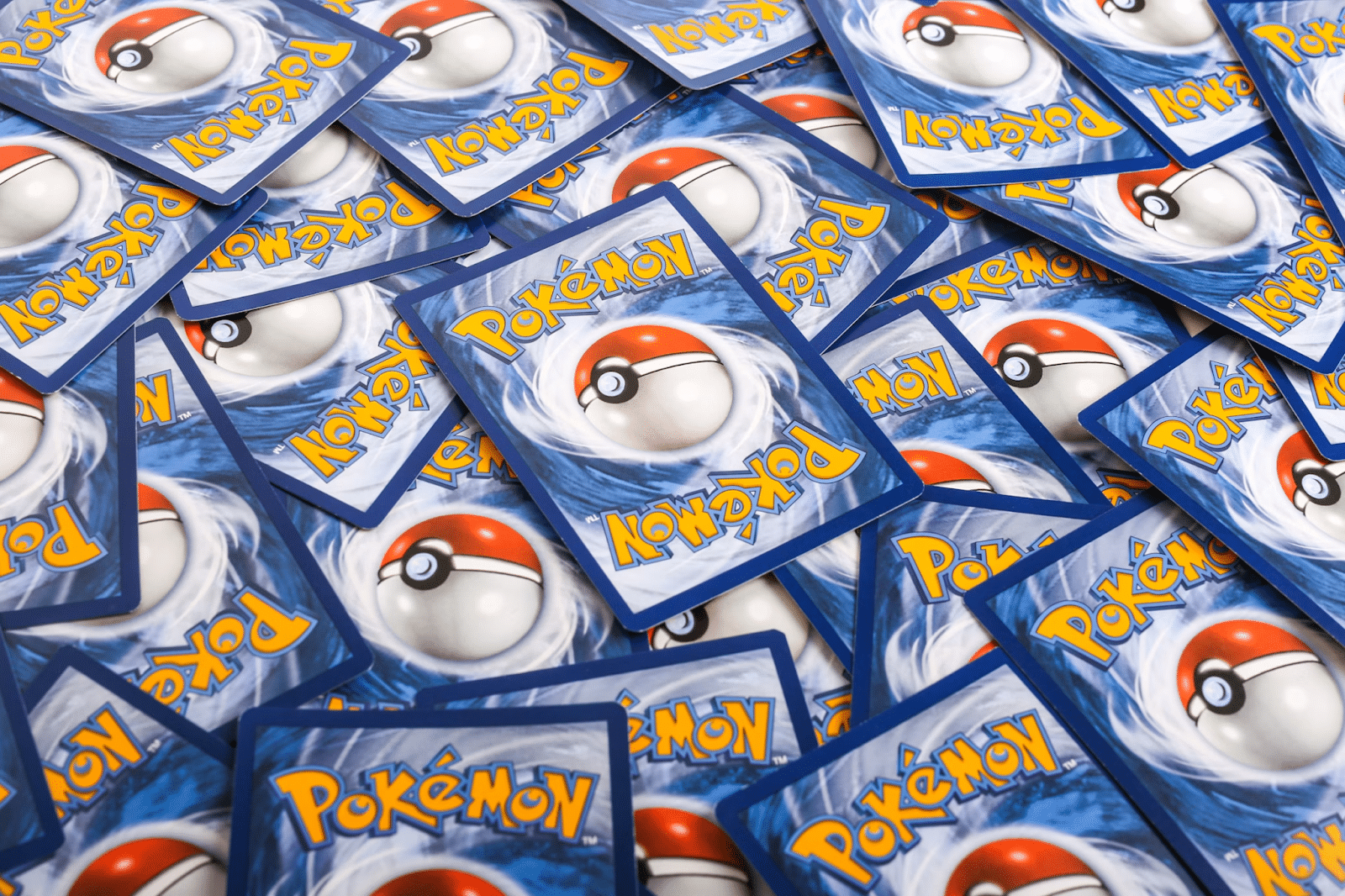
The Pokémon Trading Card Game offers one of the clearest illustrations of this phenomenon. First-edition cards from the late 1990s now command extraordinary prices on secondary markets, while newly released sets continue to sell out within hours of availability.
For collectors and enthusiasts wanting to explore the full range of what the game currently offers, options to browse Japanese Pokemon booster boxes have become particularly sought after. Japanese releases frequently precede international prints and often feature exclusive card treatments unavailable elsewhere.
This cross-regional demand is itself a marketing phenomenon. It reflects how deeply the collectible community engages with product release cycles, regional variations and the cultural cachet attached to specific markets of origin.
Why Collectibles Hold Their Appeal
The sustained appeal of physical collectibles is not simply about nostalgia or financial speculation, though both play a role. At a deeper level, collecting satisfies psychological needs that other consumer categories struggle to meet.
Scarcity is central to the equation. When a product exists in limited quantities, acquiring it carries a social and psychological weight that mass-market goods cannot replicate.
The hunt itself becomes part of the value proposition. Collectors describe the process of searching, researching and finally obtaining a specific item as genuinely rewarding in ways that extend well beyond the object itself.
Community reinforces this effect considerably. Trading card game players, action figure collectors and memorabilia enthusiasts have built dense networks of online forums, local meetups and conventions around their interests.
These communities generate their own culture, vocabulary and hierarchy, which draws in new participants and keeps existing ones deeply engaged. Brands that understand this dynamic can tap into something far more powerful than conventional product loyalty.
The collectible category does not just generate repeat purchases. It generates advocates.
Creative Marketing Strategies That Cut Through
The brands that have successfully leveraged collectible culture share a common approach: they create experiences and products that feel worth talking about. This is distinct from traditional advertising, which pushes a message outward.
Cultural marketing pulls audiences inward by giving them something worth sharing. Limited releases, collaboration products and regional exclusives are among the most effective tools in this playbook.
When a product is designed to be rare rather than widely available, demand follows naturally. Streetwear brands have understood this principle for decades, and the approach has since spread across food and beverage, technology accessories and entertainment merchandise.
Storytelling has also become inseparable from product strategy. Consumers want to know the origin of what they are buying, the people behind it and the community it connects them to.
Brands that communicate this effectively build relationships that outlast individual purchases. The rise of content creators who review, unbox and discuss collectible products has given brands an organic distribution channel that resonates in ways paid advertising often cannot.
As noted in related market analysis, the factors driving collectible value go well beyond rarity alone. Social visibility, franchise longevity and sustained community engagement each contribute to why certain products hold and grow their appeal over time.
Experiential Marketing and the Physical Touchpoint
As digital advertising becomes more saturated and harder to measure, marketers are returning to physical and experiential tactics that create memorable impressions. Pop-up activations, event presence and branded physical materials are experiencing renewed investment.
They do something screens cannot: they occupy real space in a person’s environment. That distinction carries growing weight in a landscape where digital attention is expensive and increasingly short-lived.
Event marketing in particular has shown strong returns for brands operating in the collectible and entertainment space. Conventions, trade shows and community gatherings attract audiences who are already primed for engagement.
The challenge is standing out in environments where every brand is competing for the same attention. Visual impact matters enormously in these settings, and it is often underestimated in planning.
Branded physical displays, large-format signage and novelty promotional items create a presence that attendees photograph and share. Tools such as advertising balloons allow brands to achieve physical scale and visual prominence at events without the budget that large-format digital campaigns demand.
This willingness to invest in physical presence reflects a broader understanding that consumer attention is earned through experience, not just exposure.
What This Means for Brands and Marketers
The convergence of collectible culture and creative marketing is not a temporary trend. It reflects structural changes in how consumers decide what they value and what communities they want to belong to.
Brands that approach this space with genuine understanding of collector behaviour will find audiences that are loyal, vocal and willing to spend. Those that treat it as a passing opportunity risk being identified as outsiders by communities with a sharp instinct for authenticity.
The most effective approach is not to chase the trend but to engage with the culture it has produced. That means understanding why people collect, how communities form around shared interest and what physical touchpoints create lasting impressions.
In a marketplace crowded with digital noise, the brands doing this well are earning something more durable than attention. They are earning a living.