

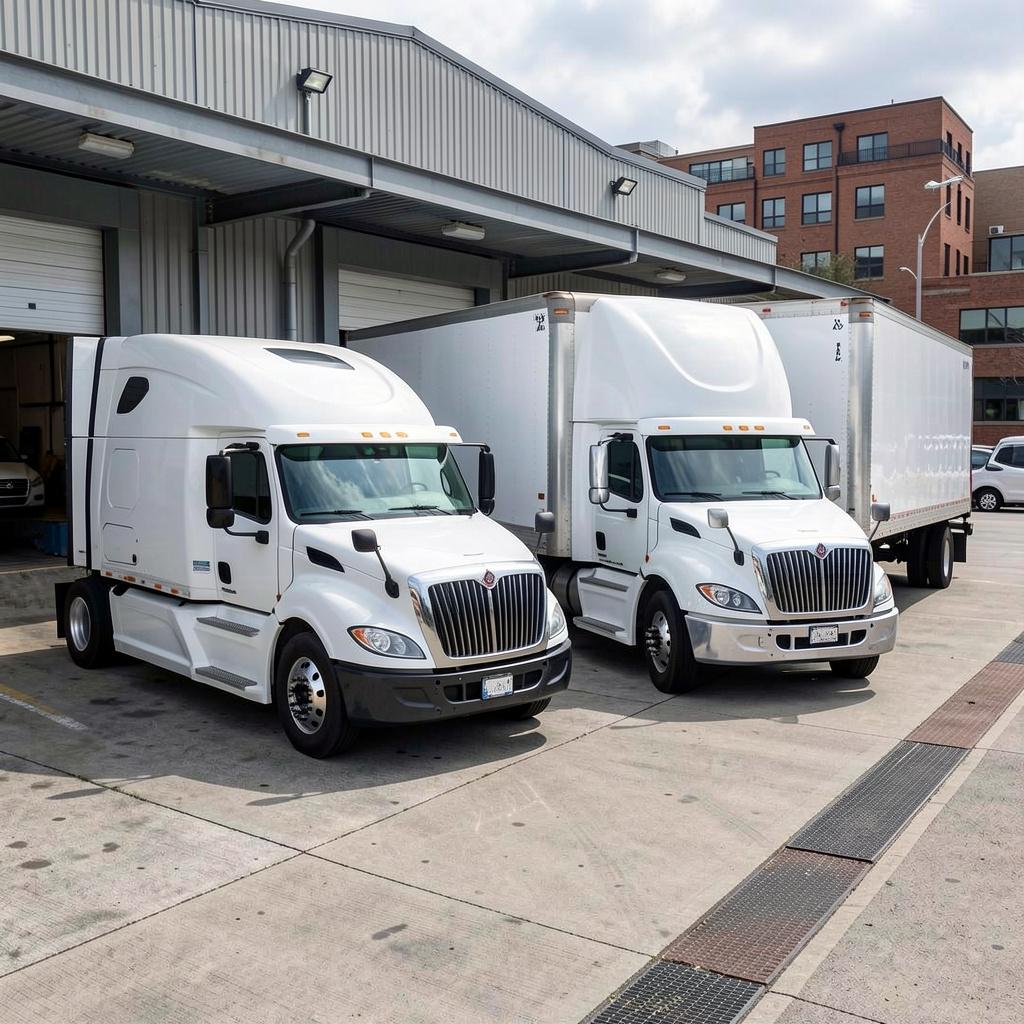
Commercial vehicle insurance is vital for the stability of transportation companies’ operations. For insurance companies, assessing fleet risk is a complex process that involves evaluating multiple factors that may influence accident frequency, loss severity, and overall claims exposure. The results of fleet risk assessment are critical in determining insurance terms, liability, and premiums.
Understanding these parameters helps transportation companies better evaluate their risk exposure, improve operational stability, and align their insurance programs with how risk is actually assessed. Companies that understand these factors are better positioned to manage fleet risk and align their insurance programs more effectively.
Understanding how insurers evaluate fleet risk is not about improving appearances on paper, but about aligning operations with real-world risk factors that directly affect safety, claims, and financial stability.
In some cases, transportation companies seek assistance from specialized insurance agencies, such as GIA Group, LLC, to evaluate their fleet risk profile and find the insurance programs aligned with their operational needs.
Transportation Company Profile
The profile of the transportation company is the first factor that insurance companies assess when determining fleet risk. The nature of operations, company size, and type of transportation services provided are some of the parameters considered in this factor. Companies that engage in regular commercial transportation have different risk parameters from those of organizations that engage in specialized or seasonal transportation.
The market experience of the transportation company is also vital in determining fleet risk. Companies with longer operating history may be viewed as more stable from an underwriting perspective than new companies in the market. Newer companies may be subject to more detailed underwriting review due to limited operating history since insurance companies have limited data to analyze their stability of operation.
Vehicle Type and Condition
Vehicle characteristics are also very important in risk assessment. Insurers look at the age of vehicles, their technical condition, and their type and operational characteristics. For instance, older vehicles may be viewed as higher risk in comparison to new trucks with advanced safety features.
Another factor is the variety of vehicles in the fleet. If the company operates different kinds of vehicles, for instance, tractors, vans, or special trucks, then each of these vehicles may have different risk levels. Each vehicle type contributes differently to overall exposure, which is considered when evaluating the insurance program.
Nature of the Cargo Being Transported
The nature of the transported goods also plays a significant role in risk assessment for the transportation company. For instance, transporting general freight may be considered lower risk compared to specialized or high-value cargo, such as vehicles or industrial equipment.
Certain kinds of transported goods may require higher coverage limits due to their special value or environmental impact.
Geography and Transportation Routes
Transportation routes are a key component of risk assessment. Insurers look at the geography of the region in which the company operates, traffic volumes on key routes, and road conditions.
For instance, transporting goods in urban areas may involve higher traffic density and increased risk of minor accidents. At the same time, transporting goods on interstate routes may be associated with increased driving hours, which may increase accident exposure.
Additionally, natural and climatic conditions may also influence risk in case of accidents.
Claim History
The claim history is one of the key factors in the risk assessment process. The number of accidents, the amount paid out in the past, and the type of accidents may help them forecast potential losses.
A company with a higher number of minor accidents might be considered a higher risk even if the amount of loss is small in each case. A company with a strong claims history may indicate more stable operations, which is typically considered during underwriting evaluation.
It is important for transportation companies to regularly review their accident history and take measures to lower their accident rates.
Organization of an Internal Safety System
Another key factor taken into account by insurance companies is internal safety management systems. A driver training program or regular checks on vehicles reflect a more structured and proactive approach to risk management. In addition, companies may implement internal safety systems such as monitoring driver behavior or analyzing traffic patterns. These measures reflect a company’s approach to managing operational risk, which may influence how insurers evaluate overall exposure.
A structured approach to safety contributes to a more consistent and controlled operating environment, which may be reflected in underwriting evaluation.
Company Financial Stability
The financial stability of a transportation company may also be taken into account during a risk assessment. A company with a sound financial history may be viewed as more stable from an underwriting perspective.
However, it is not just about the insurance obligations; it is also about the safe operation of the fleet, which is directly related to the capacity to maintain the vehicles, train the staff, and introduce new safety technologies.
Conclusion
Commercial fleet risk assessment is based on the analysis of multiple operational and risk-related factors related to the type of vehicles, the type of cargo, the geography of the routes, and the level of safety management within the company.
Transportation companies that understand these risk assessment principles and actively work to mitigate risks are better positioned to improve alignment between operational risk and insurance structure, supporting long-term stability and growth in a competitive and demanding industry.