

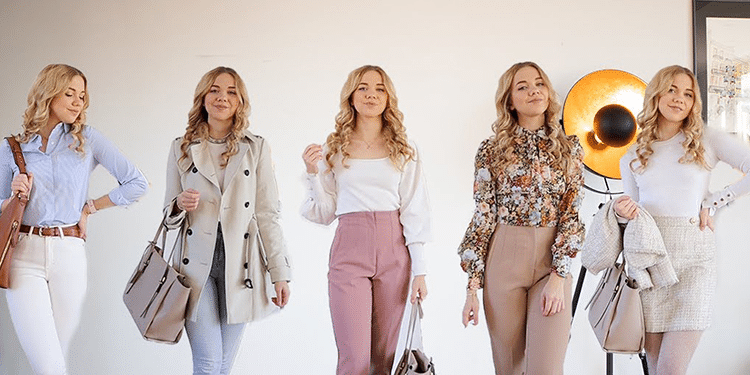
In today’s dynamic professional environment, female workwear clothing has evolved far beyond traditional suits and skirts. Modern workplaces demand attire that balances professionalism, comfort, and style. Whether you are in a corporate office, a creative studio, or a hands-on industry, selecting the right workwear is essential not only for appearance but also for confidence and productivity.
The Evolution of Female Workwear Clothing
Historically, women in the workforce were often limited to rigid skirts, blouses, and formal suits. The options were narrow, and the focus was largely on conformity rather than functionality. Over the past few decades, however, female workwear clothing has undergone a significant transformation. Designers now prioritize versatility, comfort, and inclusivity, allowing women to express personal style while maintaining a professional appearance.
Today’s workwear ranges from tailored trousers and blazers to functional jumpsuits and smart dresses. Fabrics have also advanced, with materials like stretch cotton, breathable linen, and performance blends ensuring comfort throughout long workdays. This evolution signifies a broader shift in workplace culture, one that acknowledges the importance of employee well-being and individuality.
Key Elements of Modern Female Workwear Clothing
- Fit and Comfort
A critical factor in female workwear is how well the clothing fits. Ill-fitting attire can be uncomfortable and distracting. Modern female workwear clothing prioritizes ergonomics and movement. Stretch fabrics, adjustable waistbands, and tailored cuts allow women to navigate their workday comfortably without compromising on professionalism. - Professional Style
Professionalism remains a core requirement in most workplaces. Blazers, pencil skirts, and structured dresses are classic staples that never go out of style. However, designers are now incorporating modern twists, such as asymmetrical cuts, innovative patterns, and bold colors, making workwear fashionable yet appropriate. - Versatility
Many women today prefer pieces that transition effortlessly from office to after-work activities. A well-designed blazer can pair with tailored trousers for a meeting, then switch to jeans for a casual event. Similarly, shift dresses or tailored jumpsuits serve multiple purposes, ensuring that women don’t have to sacrifice style for convenience. - Durability and Fabric Choice
Female workwear clothing must withstand daily wear and tear. Fabrics that resist wrinkles, stains, and stretching are increasingly popular. Blends of cotton with elastane or polyester provide durability while maintaining comfort. In industries requiring more practical attire, high-performance fabrics that are moisture-wicking or stain-resistant are essential.
Categories of Female Workwear Clothing
Female workwear can be broadly categorized to suit different professional environments:
- Corporate Attire
For corporate offices, traditional pieces like tailored suits, blazers, pencil skirts, and button-down shirts dominate. Accessories such as leather belts, smart shoes, and structured bags enhance the overall look. Corporate workwear often emphasizes a neutral palette—black, navy, grey, and white—but with subtle details to express individuality. - Business Casual
The rise of business casual environments has expanded choices. Women can now combine smart trousers with blouses, knitwear, or relaxed blazers. Dresses and skirts in comfortable fabrics offer a professional look without appearing overly formal. This category of female workwear clothing is ideal for workplaces that encourage a balance of professionalism and comfort. - Creative and Tech Industry Workwear
In creative or tech-driven industries, workwear has become more expressive. Patterns, colors, and unique designs allow employees to reflect personal style. Smart-casual combinations, such as tailored jeans with blouses or statement jackets, are common. Yet, functionality remains key—clothing must accommodate long hours, tech equipment, or collaborative work. - Industrial and Field Workwear
For women in construction, healthcare, or other hands-on industries, functionality takes priority. Workwear includes durable trousers, safety vests, high-visibility clothing, and protective footwear. Modern designs ensure that women have gear that fits properly and offers the same safety features as men’s clothing, bridging the gap in historically male-dominated workwear.
Trends Shaping Female Workwear Clothing
- Sustainable and Ethical Fashion
Sustainability is increasingly influencing female workwear clothing. Eco-friendly fabrics, ethically produced pieces, and brands committed to reducing environmental impact are gaining popularity. Women are seeking clothing that aligns with their values while remaining stylish and professional. - Inclusivity and Size Diversity
Modern workwear brands are embracing inclusivity, offering a wider range of sizes and cuts that cater to different body types. This ensures that women of all shapes can find professional clothing that fits well and promotes confidence. - Athleisure Influence
Comfort-driven trends like athleisure have seeped into professional wardrobes. Stretchy, breathable fabrics, and minimalist designs are becoming standard in office-appropriate attire. Athleisure-inspired workwear combines movement-friendly materials with sleek silhouettes, perfect for long commutes and active workdays. - Mix-and-Match Collections
Many brands now offer capsule collections specifically for office wear, where pieces are designed to be interchangeable. A single blazer can pair with multiple skirts, trousers, or dresses, making daily outfit planning simpler and more stylish.
Choosing the Right Female Workwear Clothing
Selecting the perfect workwear requires consideration of both professional standards and personal comfort:
- Know Your Workplace:
Understand the dress code and culture. Corporate environments may require formal attire, while startups may allow casual yet polished outfits.
- Invest in Staples:
High-quality blazers, trousers, and shoes form the foundation of any professional wardrobe.
- Prioritize Comfort:
Fabrics, fit, and stretch are essential, especially for long office hours.
- Incorporate Personality:
Accessories, colors, and patterns allow women to express individuality without compromising professionalism.
- Plan for Versatility:
Opt for pieces that transition seamlessly from office meetings to social events.
Conclusion
The world of female workwear clothing has shifted dramatically, reflecting broader societal changes and evolving professional norms. Today, women are no longer constrained by rigid standards; instead, they enjoy a wide variety of stylish, comfortable, and functional options. From corporate suits to business casual separates and industry-specific workwear, modern clothing empowers women to feel confident, professional, and authentic in every work setting.