

Small flats come with a familiar trade-off: you gain location or character, but lose space. And more often than not, it’s storage that becomes the daily frustration. Not in an obvious, chaotic way — just a constant sense that things don’t quite have a proper place.
It’s a common lack of storage issue. You tidy, it looks fine for a moment, and then slowly everything creeps back onto surfaces — books, cables, tableware, the usual mix of everyday living.
The instinctive solution is to buy more storage. But in smaller homes, that’s often where things go wrong.
Freestanding cabinets can be tricky. If the proportions aren’t quite right, they either dominate the room or leave awkward gaps. Some take up more floor space than they justify, others simply don’t adapt as your layout changes. In compact interiors, furniture needs to work harder than that.
What becomes clear, fairly quickly, is that the problem isn’t just about adding storage — it’s about how flexible that storage is.
Modular systems have started to fill that gap. Pieces that can be reconfigured, scaled, or repositioned depending on the space tend to work better in smaller UK homes, particularly for renters or anyone expecting to move.
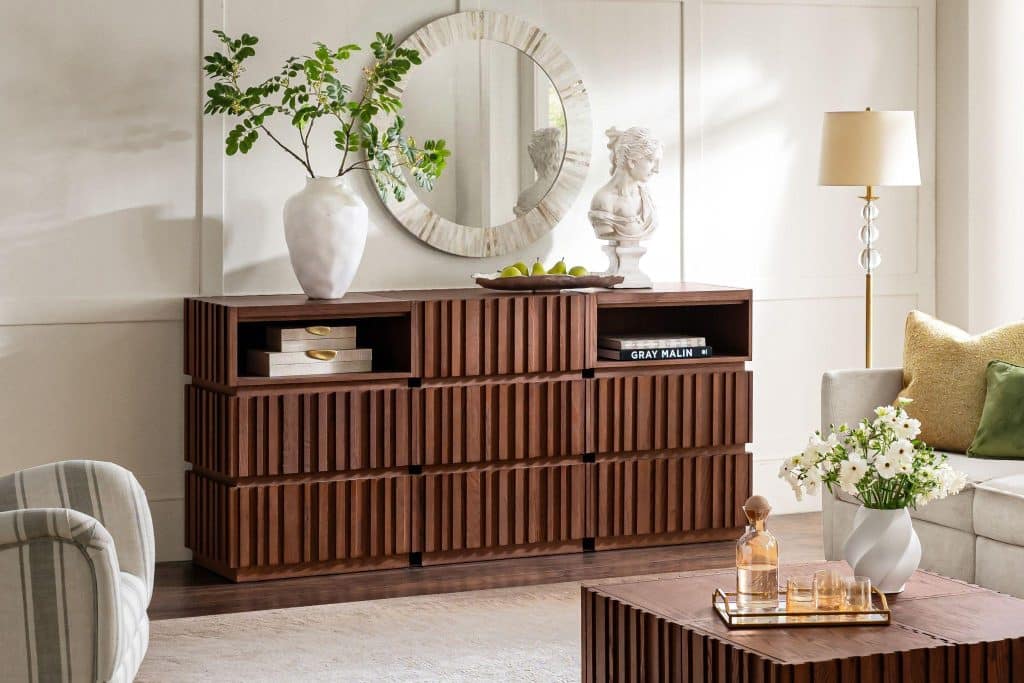
A good example of this is the Hulala MODORY Collection—a modular system. Rather than committing to a fixed unit, it allows you to build something that suits your current layout — and then change it later.
In a living room setting, it works well as a sideboard. The structure naturally creates zones, which helps keep things organised without needing additional boxes or inserts. Books, tableware, and smaller household items can be separated in a way that feels intentional rather than improvised.
Visually, it’s also designed better than many standard flat-pack options. That matters more than it sounds — in smaller rooms, bulky storage can quickly make a space feel closed in.
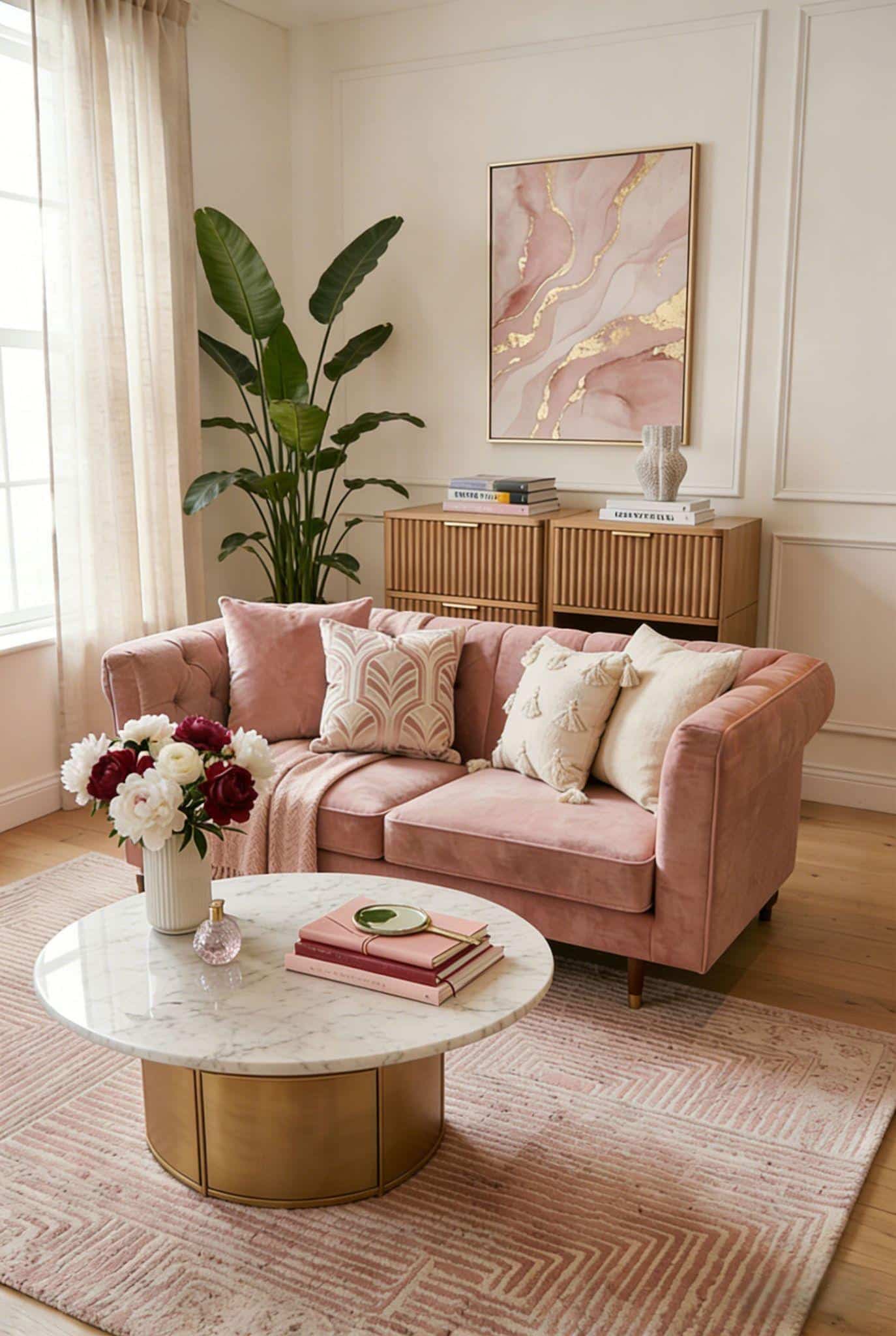
Where modular furniture becomes particularly useful, though, is when your space changes. Hulala Home designs adaptive, thoughtfully crafted furniture that evolves with people’s lives.It is the trusted Adaptive Living Partner for UK households
In a smaller follow-up move, the same cabinet can be split into multiple units. One section can function as a side table in the living area, while another can be repurposed as bedside storage. Instead of forcing a piece of furniture to fit, the furniture adjusts to the room.
It’s not about creating more space, exactly — but about using the available space more effectively. And that shift, while subtle, can make a noticeable difference to how a home feels day to day.
Ultimately, small-space living isn’t just a question of how much storage you have, but how well that storage adapts. The most effective solutions tend to be the ones that evolve with your layout, rather than fixing it in place.
It doesn’t magically give you more space — but it does make the space you have work actually.