

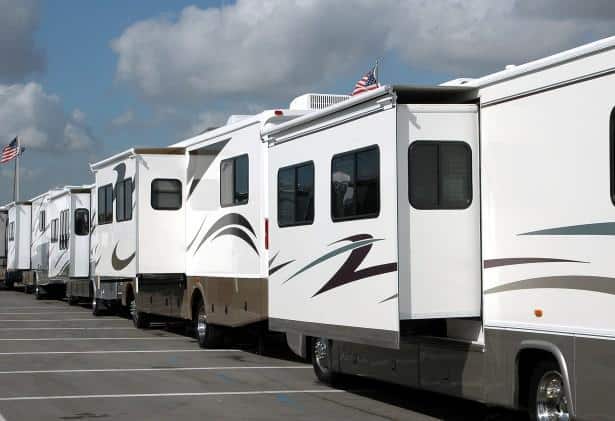
Modern audiences expect more than traditional advertising. They want interaction, immersion, and experiences that feel authentic rather than scripted. This shift has led brands to rethink how they connect with people, especially in live environments. Event marketing vehicles have emerged as a powerful solution, enabling companies to bring their message directly to their audience in a dynamic and memorable way.
These mobile platforms are more than eye-catching displays. They are engineered environments designed to support engagement, storytelling, and real-time interaction. Behind their effectiveness lies a blend of creative design and industrial fabrication, ensuring they perform reliably while delivering impactful experiences.
The Evolution of Event-Based Brand Engagement
Event marketing has always been about creating moments that resonate. However, static booths and traditional setups often struggle to capture attention in crowded environments. Mobile marketing vehicles address this challenge by introducing movement, flexibility, and novelty into the equation.
By taking the experience beyond a fixed location, brands can reach a wider audience and create multiple touchpoints. This approach allows campaigns to adapt to different settings, from urban streets to large-scale events, increasing both visibility and engagement.
Engineering the Experience: Fabrication Behind the Scenes
Structural Design and Precision Engineering
The foundation of any event marketing vehicle is its structure. Fabricators must design a framework that supports both the visual elements of the campaign and the practical demands of mobility. This requires a deep understanding of materials, load distribution, and durability.
Precision is essential throughout the process. Components must fit together seamlessly to ensure stability and performance. For a closer look at how fabrication supports high-level engineering, this exploration of metal fabrication in precision engineering highlights the importance of accuracy and consistency in industrial design.
Designing Functional Components
Even seemingly simple elements, such as brackets and support structures, play a critical role in the overall design. These components must be engineered to handle stress while maintaining alignment and functionality. Small design decisions can have a significant impact on performance.
An example of this can be seen in innovations in sheet metal component design, where rethinking basic parts leads to improved efficiency and reliability. These principles are directly applicable to the construction of mobile marketing vehicles.
Event Marketing Vehicles for Engagement in Action
Brands looking to create meaningful interactions often invest in specialized solutions like event marketing vehicles for engagement. These platforms are designed to support immersive experiences, from product demonstrations to interactive installations, allowing audiences to connect with the brand in a more personal way.
Customization is a key factor in their success. Each vehicle is tailored to reflect the brand’s identity and campaign goals, ensuring that the experience feels cohesive and authentic. This level of personalization helps differentiate campaigns in competitive environments.
Balancing Creativity with Practicality
While creativity drives the concept of an experiential campaign, practicality determines its execution. Event marketing vehicles must be easy to transport, set up, and operate across different locations. This requires careful planning and a focus on efficiency.
Designers and engineers work together to create solutions that meet these requirements without compromising on visual impact. Modular components, for example, allow for quick assembly and reconfiguration, making it easier to adapt to different event settings.
Operational Considerations in Mobile Campaigns
Deploying a mobile marketing vehicle involves more than just design and fabrication. Logistics play a significant role in determining the success of a campaign. Factors such as route planning, setup time, and maintenance must all be considered to ensure smooth operation.
Durability is another critical aspect. These vehicles are often used repeatedly, making it essential that they can withstand wear and tear. High-quality fabrication and material selection contribute to long-term reliability, reducing the need for frequent repairs.
The Future of Event Marketing Vehicles
The next generation of event marketing vehicles is likely to be shaped by advances in technology and sustainability. Interactive features such as augmented reality and real-time data integration are expected to enhance engagement, creating more personalized experiences for audiences.
Sustainability is also becoming a priority. Brands are increasingly focused on reducing the environmental impact of their campaigns, leading to the use of eco-friendly materials and energy-efficient systems. These changes reflect a broader shift toward responsible marketing practices.
Conclusion
Event marketing vehicles represent a powerful fusion of creativity and engineering. By bringing immersive experiences directly to audiences, they offer a unique way for brands to stand out and build lasting connections. Their success depends on careful design, precise fabrication, and thoughtful execution.
As the marketing landscape continues to evolve, these mobile platforms will play an increasingly important role in how brands engage with their audiences. Through innovation and adaptability, they are redefining what it means to connect in a competitive and experience-driven world.