

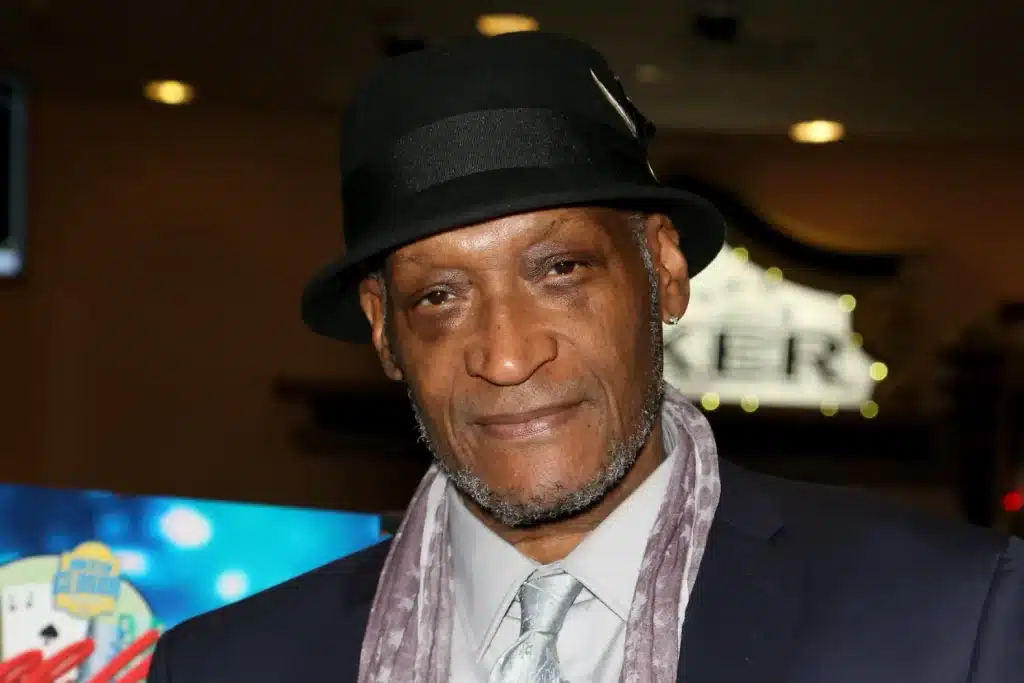
You likely heard him before you saw him. With a thunderous voice and 6’5″ frame, he instantly commanded the screen. Following his death at 69 in Marina del Rey, every Tony Todd obituary mourns the loss of a true cinema giant (Tony Todd).
While he is widely celebrated as a genre icon, industry data shows his acting catalog actually spanned over 40 years as a highly versatile character actor. According to Hollywood peers, he consistently utilized his classical training to give terrifying monsters a deeply human soul.
How the 1992 Candyman Redefined the Horror Villain as a Tragic Urban Legend
What makes a monster haunting? Before 1992, genre staples were usually silent, masked killers. As the definitive Candyman actor, Tony Todd shattered this expectation, transforming a campfire myth into profound urban legend subtext. The cultural impact of the 1992 Candyman film relies heavily on how Todd introduced the tragic slasher archetype, breaking the traditional mold through:
- Poetic, articulate elegance that replaced thoughtless violence.
- A deeply sympathetic backstory rooted in historical injustice.
- Fierce dedication to practical stunts, famously filming with live bees.
Tony Todd’s status as a legendary horror icon stems directly from the poignant social commentary embedded in his performance. He didn’t merely scare audiences; he forced them to confront painful truths, establishing a powerful blueprint for complex Black characters in modern cinema.
Beyond the Hook: How Tony Todd’s Range Spanned From Broadway to Star Trek
While famous as a horror legend, Tony Todd was a versatile character actor whose foundation began at the Eugene O’Neill National Actors Theatre Institute. Earning significant stage and theater credits provided a classical gravity that defined his on-screen presence. Paired with an imposing frame, this rigorous training anchored his early filmography, allowing him to command gritty war dramas like Platoon and play the heroic survivor in Night of the Living Dead.
Transitioning to science fiction, his adaptability shone through recurring roles in the Star Trek franchise, portraying complex Klingons across multiple series. Treating television with Shakespearean respect, his unique ability to convey profound emotion beneath heavy prosthetics and makeup seamlessly paved the way for major franchises to rely heavily on his signature voice.
Why Major Franchises Like Marvel and DC Relied on Tony Todd’s Signature Voice
Todd’s signature deep voice commanded immediate attention. This vocal gravitas made him a compelling authority figure bridging horror and blockbuster action. Fans felt this impact directly, as his role as William Bludworth in Final Destination anchored the entire franchise with an ominous wisdom that was impossible to replicate with visuals alone.
Digital studios quickly harnessed this power to inject authentic soul into modern CGI creations. By bringing surprising humanity to digital monsters, his voice acting roles in Marvel and DC properties—like Venom and Zoom—helped define modern superhero media.
Honoring a Legend: The Ultimate Tony Todd Performance Guide
As tributes to the artistic legacy of Tony Todd pour in, his generational impact is undeniable. Visionaries like Jordan Peele built directly upon his influence on modern Black horror films. To properly experience his commanding brilliance, stream essential performances like 1990’s Night of the Living Dead or 2021’s Candyman.