

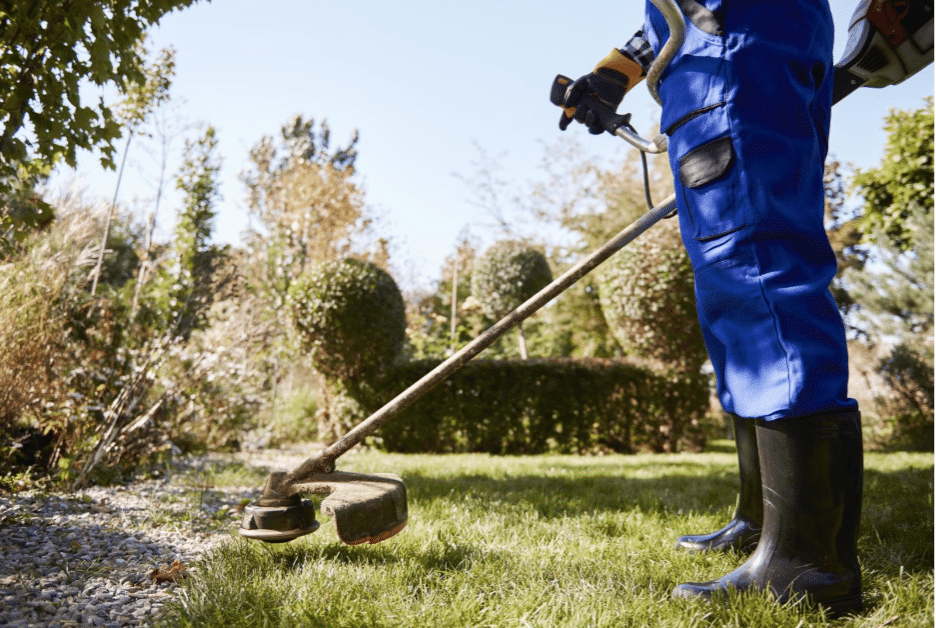
A green lawn may entirely change the appearance and feel of your home. But it is not always that easy to have that picture-perfect yard in Raleigh. You might be dealing with patchy grass, weeds that are difficult to remove, or soil that just does not want to cooperate.
In addition, the climate of the area, characterized by hot summers, periodic drought, and the change of seasons, further complicates the issue of lawn care. Due to these difficulties, minor errors may easily result in larger problems that are more difficult and costly to resolve.
This is why it is equally important to know what not to do as much as what to do. This article will discuss five of the most frequent errors made by Raleigh residents when it comes to lawn care and how they can be prevented.
1. Disregarding Soil Health and Testing

The first error that is made is at the very base- your soil. Most homeowners rush directly into mowing, watering, or fertilizing without having the slightest idea of what their soil requires. Yet, these attempts are not always sufficient without the right understanding.
Soil testing is the first thing that you should consider when talking about effective lawn care Raleigh, NC. The soils around Raleigh may vary greatly in terms of soil pH and nutrient content, and administering the appropriate treatment may cause more damage than benefit. An example is the application of fertilizer to already healthy soil, resulting in excessive growth and poor roots.
Rather, aim to test your soil at least once a year. This will assist you in establishing pH balance, nutrient deficiencies, and organic content. One can also customize their fertilization and treatment plan once they know what their soil requires.
Also, the health of the lawn can be enhanced by enhancing the soil structure through aeration and the presence of organic matter. Good soil produces better roots, and better roots produce a healthier and stronger lawn. In the long run, this foundation will decrease the number of unnecessary treatments and help to maintain steady growth.
2. Watering the Lawn Too Much or Too Little
Watering may sound easy, but it is also one of the most misinterpreted issues about lawn care. Most of Raleigh’s homeowners are either underwater or overwatered, which can strain the grass.
Excessive watering may suffocate roots, promote fungal infections, and form shallow root systems. Conversely, underwatering results in dry and cracking grass, which can hardly survive heat stress. Thus, it is essential to strike a balance.
The climate in Raleigh is such that it is usually better to water intensively, but less frequently. This will promote deeper growth of roots into the ground, which will make your lawn more resistant to drought. Watering early is also preferable because it minimizes evaporation and gives grass blades an opportunity to dry in the daytime.
Moreover, observe changes in rainfall and seasons. Regularly modify your watering schedule rather than having a set time. This is a minor change that can produce a tangible difference in the overall health and sustainability of your lawn.
3. Cutting Grass Too Short or Too Seldom
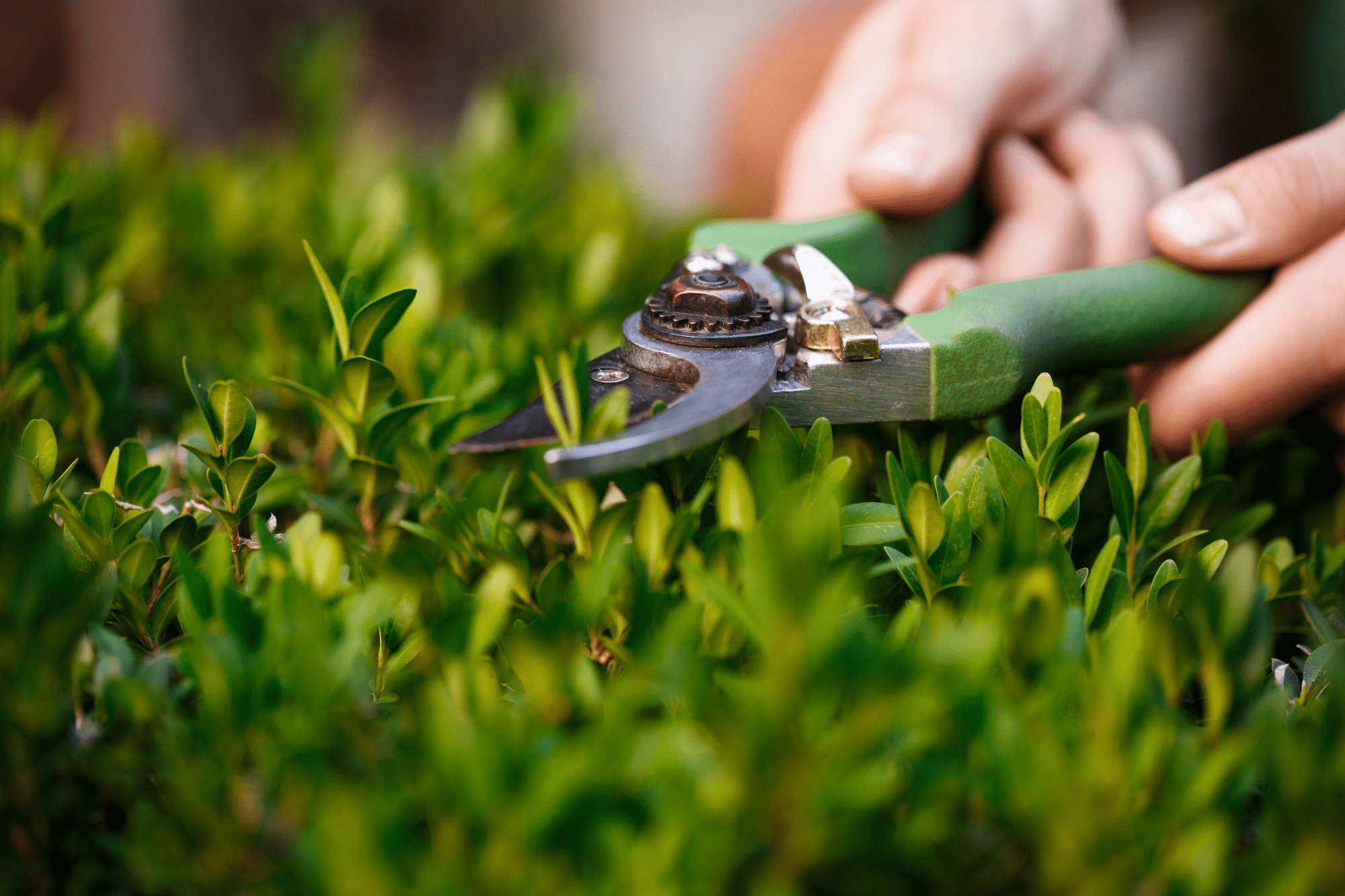
Mowing cannot be simply about maintaining a nice lawn, but rather it has a direct impact on the health of the grass. The problem is that most homeowners either mow their lawns too short or fail to mow their lawns on a regular basis.
When grass is clipped excessively, which is commonly known as scalping, the grass is weakened as it will not be able to photosynthesize as effectively. This leaves your lawn more susceptible to weeds, pests, and heat stress. Conversely, overgrowth of grass before it is cut may also lead to uneven growth and stress.
In order to keep the lawn healthy, it is recommended to use the one-third rule, which states that one should not cut more than a third of the grass blade during a single mowing. This makes the grass robust and promotes stable growth.
Also, make sure that your mower blades are sharp. Blades cut the grass rather than cutting it off, and this may cause disease and browning. Mowing is also an important factor in the appearance of a healthy and even-looking lawn through proper technique and frequent mowing.
4. Using the Wrong Fertilizer or Applying It Incorrectly
Fertilization is essential for lawn growth, but using the wrong type or applying it at the wrong time can backfire. Many Raleigh residents make the mistake of applying fertilizer without considering grass type, season, or soil condition.
For example, cool-season grasses and warm-season grasses have different nutrient needs. Applying a generic fertilizer may not provide the right balance of nutrients. Moreover, over-fertilizing can burn the grass, while under-fertilizing can leave it weak and undernourished.
Timing also matters. Fertilizing during peak growth periods ensures that nutrients are absorbed effectively. In Raleigh, this typically means adjusting your schedule based on whether your lawn consists of cool-season or warm-season grass.
Equally important is even application. Uneven spreading can result in patchy growth, with some areas thriving while others struggle. Using proper equipment and following recommended guidelines can help you avoid these issues and achieve consistent, visible improvements.
5. Neglecting Weed and Pest Control
Weeds and pests are more than just an eyesore; they compete with your grass for nutrients, water, and sunlight. Ignoring them, even temporarily, can quickly lead to widespread problems.
Many homeowners take a reactive approach, addressing weeds only after they become visible. However, by that point, they have often already spread extensively. A proactive strategy is far more effective.
Pre-emergent weed control, for instance, prevents weeds from germinating in the first place. Similarly, regular lawn inspections can help you identify pest issues early, before they cause significant damage.
In Raleigh, common lawn pests and weeds can thrive under the right conditions. Therefore, maintaining a healthy lawn is your first line of defense. Thick, well-maintained grass naturally crowds out weeds and resists pest infestations.
Additionally, using targeted treatments rather than broad, unnecessary applications ensures better results while minimizing environmental impact and promoting long-term lawn balance.
Final Thoughts
Maintaining a healthy lawn in Raleigh requires more than routine care; it demands informed decisions and consistent attention. By avoiding common mistakes such as neglecting soil health, mismanaging watering, improper mowing, incorrect fertilization, and overlooking weed control, you can significantly improve your lawn’s condition.
Moreover, each step you take toward better lawn care builds on the previous one, creating a strong foundation for long-term success. Instead of relying on guesswork, focus on understanding your lawn’s specific needs and responding accordingly.
With the right approach, your outdoor space can become both visually appealing and resilient throughout the seasons, while also reducing maintenance challenges and improving overall curb appeal over time.