

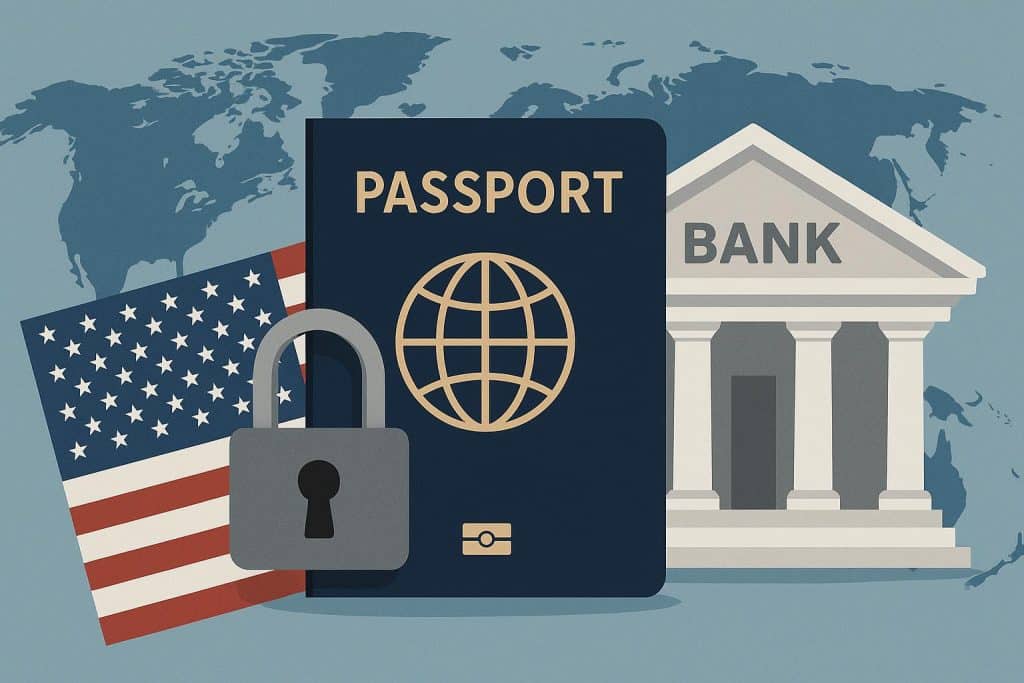
Why US Citizens Are Treated Differently
Because the US rules follow you. Foreign banks are required, under US law, to report accounts held by American citizens. That means more paperwork on their side, more compliance checks, and, frankly, more risk if something goes wrong.
From the bank’s perspective, taking on a US client isn’t just opening an account. It’s taking on an ongoing reporting obligation.
So they adapt. Some add extra steps. Others quietly avoid it altogether.
Why Some Banks Just Say No
Not every bank turns Americans away, but enough do that it becomes noticeable. Sometimes it’s subtle. “We’re not accepting new clients right now.” Other times, it’s more direct. Policies change, or certain account types just aren’t available if you hold a US passport.
It varies by country, by bank, even by branch. A large international bank might be used to US clients, while a smaller local one might not want the complexity.
It’s inconsistent, which is part of what makes it frustrating.
Opening an Account Takes Longer Than Expected
Even when things work out, they tend to move slowly. You’ll usually need a passport, visa, and proof of address. That last one can be tricky if you’ve just arrived. Some banks also ask for employment details, which adds another layer.
Then there’s the US-specific side. You may be asked to declare your citizenship, provide a US tax identification number, and sign additional forms. Nothing unusual, but it adds time.
So instead of a quick setup, it becomes a process. Sometimes a few days. Sometimes a few weeks.
Everyday Banking Feels Different Overseas
The system can feel a bit unfamiliar. In many countries, debit cards are used more than credit cards. Banking apps look different. Transfers between accounts might not be instant in the way you expect.
None of this is particularly difficult. It just takes adjustment. Small differences, repeated often enough, start to stand out.
Moving Money Across Borders Isn’t Seamless
You might assume that sending funds between countries is quick and predictable. Sometimes it is. Other times, not quite. Transfers can take a few days. Fees show up in places you didn’t expect. Exchange rates shift slightly, and over time, that adds up.
Even the faster platforms aren’t always immediate. There’s usually some delay, some cost, some trade-off.
A Quiet Layer: US Tax and Reporting Obligations
Running in the background of all this is something most people don’t think about right away.
If you’re a US citizen, your foreign bank accounts may need to be reported to the US government. For the 2025 tax year (filed in 2026), that typically includes filing an FBAR if your total foreign account balances exceed $10,000 at any point during the year.
This doesn’t change how your bank operates locally, but it does add a separate layer of responsibility on your side.
It’s easy to overlook early on. But this is one important thing to know before moving abroad.
What Actually Helps
There’s no perfect workaround, but a few things make a noticeable difference.
Keeping a US bank account active helps more than you’d expect. It gives you a fallback. A stable reference point. Having more than one way to access your money, whether through different cards or accounts, also reduces risk.
And then there’s research. Some banks are more familiar with US clients than others. Finding those upfront can save time, even if it takes a bit of effort.
Make Banking Abroad Work for You
After a while, the friction starts to make sense. Not because it disappears, but because you understand where it’s coming from.
It isn’t personal. It isn’t even random. It’s the result of overlapping systems that weren’t really designed to work together.
Still, once you know what to expect, things get easier to manage. And if you want to stay on top of the tax side of it, especially the reporting requirements that come with foreign accounts, getting the right support early can save a lot of second-guessing later. Expat Tax Online can help you handle that part, so you can focus on everything else that comes with living abroad.