

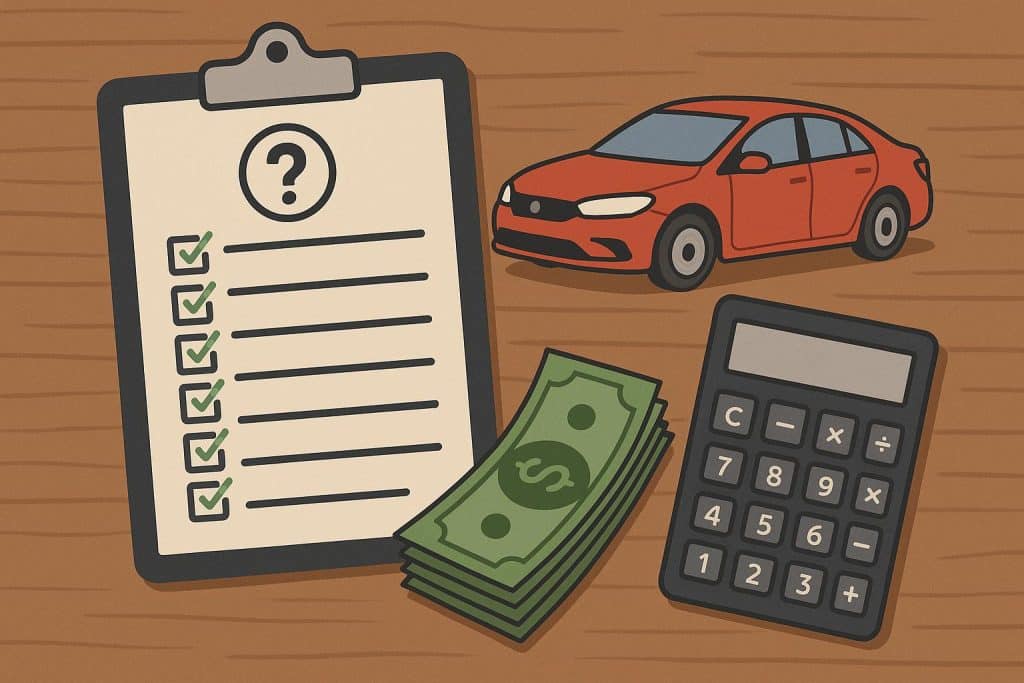
An old vehicle sitting in the driveway feels like a problem, and the first buyer who offers cash can seem like the solution. But rushing into a deal without asking a few sharp questions is how people end up with less money than they deserve, or worse, stuck waiting on a payment that never arrives. These eight questions help sellers filter out shady operators and lock in a fair, hassle-free transaction.
1. What Is Your Offer Based On?
Every quote should come with an explanation. A credible buyer considers the vehicle’s make, model, year, kilometre readings, and physical condition before naming a figure. Current scrap metal rates and the salvage value of individual parts also influence the number.
Vague or evasive answers here are a warning sign. Reputable services offering cash for cars in Belmont and surrounding suburbs tend to gather vehicle details upfront, either over the phone or through a quick online form, then return a figure the seller can verify. Knowing how the price was calculated makes it far easier to spot an unfair offer and negotiate with confidence.
2. Are There Any Hidden Fees or Deductions?
A generous quote holds little value if the buyer reduces it on collection day. Some operators deduct charges for towing, administration, or processing that were never mentioned during the initial call.
The simplest way to avoid such issues is to ask one direct question: is the quoted amount the exact figure that changes hands at pickup? A reliable buyer rolls removal costs into the original price and pays the full sum without last-minute adjustments.
3. Do You Handle Free Towing and Pickup?
Free vehicle collection is common across the industry, but it is not universal. Certain buyers cap complimentary towing within select postcodes or charge a flat fee for locations outside their usual range.
Sorting these issues out early prevents awkward conversations on the day. It also helps to ask about scheduling. Some providers accommodate same-day or weekend collections; others operate on a fixed weekday roster.
4. What Paperwork Will Be Required?
Transferring ownership involves legal steps that vary by state and territory. Sellers may need a registration certificate, a valid form of identification, and a signed transfer notice depending on local requirements.
A professional buyer outlines all of these requirements before the appointment. Knowing exactly which documents to gather ahead of time keeps the pickup running smoothly and avoids unnecessary back-and-forth after the fact.
5. How and When Will Payment Be Made?
The timing and method of payment deserve just as much attention as the dollar amount. Trustworthy operators settle on the spot, handing over cash or completing an instant bank transfer the moment they collect the vehicle.
Any suggestion of delayed payments, postdated transfers, or partial installments should raise immediate concern. Sellers are better off confirming the payment process during the very first conversation and refusing to release keys until funds are confirmed.
6. Do You Buy Cars in Any Condition?
Some services only deal with running, registered vehicles. Some services gladly accept damaged, deregistered, or completely immobile cars. The distinction matters, especially for owners trying to offload a car that no longer starts.
Confirming this upfront saves everyone’s time. It also ensures the quoted price genuinely reflects the vehicle’s current state rather than an assumption that it runs and drives.
7. Are You Licensed and Insured?
A legitimate auto removal business holds the right licences and carries proper insurance coverage. That protection matters during the transaction itself and throughout the transport of the vehicle.
Asking for a licence number or business registration details is perfectly reasonable. Skipping this step opens the door to unlicensed operators who may not follow through on verbal promises or dispose of the car according to environmental regulations.
8. Can You Provide References or Reviews?
Past customer experiences say more than any sales pitch. Consistent praise around honest quotes, on-time pickups, and clear communication points to a buyer worth trusting.
A quick search on Google Reviews or local community forums takes minutes. That small investment of time often reveals patterns, both good and bad, that a phone call alone would never uncover.
Conclusion
Selling a car for cash should be simple, but simple does not mean careless. These eight questions give vehicle owners a clear checklist to measure any buyer against before making a commitment. Fair pricing, free removal, same-day payments, and proper licensing are reasonable standards, not special favours. A few minutes of due diligence on the front end almost always leads to a better payout and a smoother handover. The sellers who ask tough questions up front are the ones who walk away satisfied.