


Laundry days are usually more overwhelming than expected.
Coins end, bills are rejected, machines have been clogged, and what should be a customer-friendly service can become a nightmare for your clientele. In large laundromats or apartment complexes, these delays may influence the satisfaction of customers, decrease throughput, and cause operational nightmares.
Fortunately, the most viable option would be to use the digital payment system at your laundry shop. The cashless option eliminates the use of coins and bills and simplifies the entire payment process. Due to this, machines can be turned on within seconds using a card or mobile device, which will decrease the amount of downtime and enhance the customer experience.
This article is a discussion of how cashless laundry is beneficial to the business in that the daily routine is made faster, more reliable, and more efficient.
1. Faster Payment Experience
Laundry systems that are cashless make it easier to pay per wash or dry cycle. Your customer is not required to search for coins or use bill changers; a phone or card will suffice to make a transaction. This eliminates a delay that is experienced by many individuals in shared laundry rooms. Hence, many modern setups now rely on cashless laundry systems to streamline the entire process from start to finish.
The most apparent benefit is the improvement in speed immediately. Within a few seconds, your customer is able to walk in, pick a machine, and initiate a cycle. There is no need for them to wait in line or deal with coin-rejecting machines. As a result, this faster process proves especially useful in apartment blocks, dorms, or laundromats, particularly during busy periods.
For operators, this reduces queues, speeds up service, and increases revenue potential. Customers do not waste time trying to figure out how to make payments, but rather accomplish more. This efficiency eventually transforms laundry into a very fast and predictable process.
2. Better Financial Tracking and Control
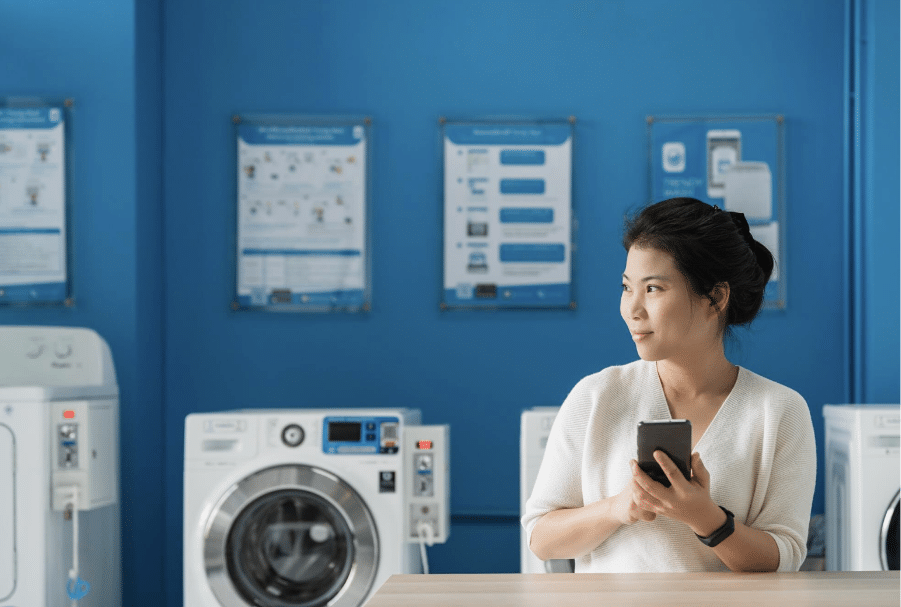
Cashless systems offer a transparent account of expenditure. The transactions are monitored by operators via an application or a digital receipt. This level of detail enables the owner to track and control their laundry business expenses. This insight helps optimize operations and reduce unnecessary costs.
This visibility also minimizes the risk of revenue loss. Whenever businesses deal with cash, it is easy to miscount or overlook the income. Hence, there are digital systems that provide precise sums to plan.
Research based on digital payment patterns reveals that documented transactions enhance decision-making. To the laundry operators, it translates to a more consistent revenue tracking, better operational planning, and overall business management.
3. Improved Hygiene Standards
Handling coins can be considered harmless, yet physical currency carries bacteria and germs. Moreover, there is already contamination and dirt in laundry environments. Therefore, the introduction of shared coins into the mixture further raises the chances of spreading unwanted microorganisms to the customers and staff.
Cashless systems eliminate such concerns. Clean interfaces that users can interact with include mobile applications or contactless cards. This minimizes physical touching of common surfaces. The outcome is the creation of a less toxic and safer experience in the laundry service.
Health-focused studies reinforce this point. Research published found that reducing shared touchpoints can significantly lower microbial transmission in public environments. Implementing cashless laundry systems helps operators maintain a cleaner, safer, and more professional service.
4. Easier Machine Access

Machines that are operated on cash usually break because of a jam, a shortage of coins, or mechanical failures. These issues interfere with laundry operations, increase complaints, and cause unnecessary pressure on the operators. Moreover, customers may even face machine change or postpone tasks altogether.
Therefore, cashless systems eliminate many of these access barriers. Machines activate through digital authorization rather than physical input. This reduces breakdown points and improves overall reliability. When machines work consistently, operators can ensure smoother daily operations and better service availability.
Access also becomes more inclusive. Customers no longer need to carry out an exact change or visit a bank beforehand. Additionally, digital payment options make your laundry services available to a wider range of users, including those who prefer cash-free lifestyles.
5. Stronger User Convenience
Faster payments are not all about convenience. Cashless solutions usually have such capabilities as cycle notification, balance monitoring, and remote machine monitoring. These tools enhance customer experience and provide operators with a better understanding of how the machines are used.
Additionally, they help reduce uncertainty around machine availability and usage. Users can plan their laundry tasks with more confidence and less guesswork. This results in a smoother and more efficient service experience.
As an example, a user can initiate a wash cycle and be notified when the cycle is complete. One does not need to wait nearby or check repeatedly. This flexibility enables individuals to multitask and utilize their time better.
Over time, these conveniences lead to higher customer satisfaction and repeat usage. Laundry becomes a more seamless and manageable experience, which is especially valuable in busy laundromats or shared facilities.
6. Reduced Maintenance Issues
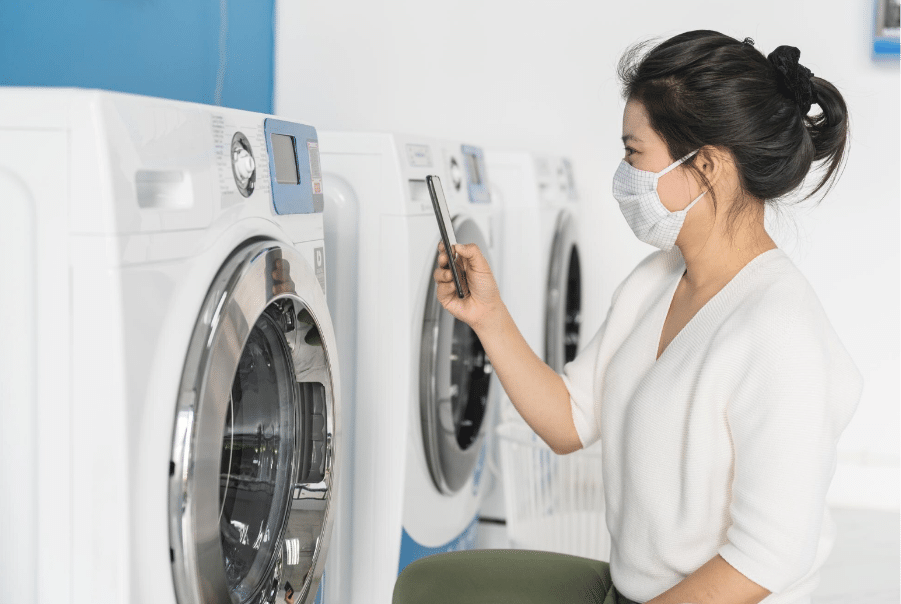
Traditional coin-operated machines are based on mechanical components that deteriorate with use. Coin slots, sensors, malfunctions, and internal components need regular servicing. These problems cause machines to malfunction, which results in an increased number of customer service complaints.
Hence, this issue is addressed by cashless systems, as this reduces mechanical dependency. Payments are processed digitally, which removes the need for coin handling mechanisms. With fewer moving parts involved in transactions, machines tend to operate more reliably and require less frequent maintenance.
Reduced maintenance requirements also enhance service quality. Operators have to deal with fewer out-of-order machines. As a result, they can concentrate on ensuring the equipment runs in a smooth state. This makes the laundry experience more reliable and predictable for all parties concerned.
Conclusion
Cashless laundry systems address several operational challenges. They remove the need for coins, speed up payments, and improve hygiene standards. In addition, they also give operators better control over revenue and reduce machine-related issues. As a result, each benefit contributes to a more efficient and reliable laundry business.
If you want to simplify your laundry operations, then consider upgrading setups that support digital payments. The change is easy to adopt and, over time, quickly becomes second nature. The increased efficiency and control over time can result in a considerable enhancement of the service quality, customer satisfaction, and performance of the business overall.
Additionally, cashless solutions will also allow for reducing risks in cash handling, simplifying the day-to-day management operations, which will increase the efficiency of operations. This shift not only modernizes your facility but also positions your business as more competitive and customer-focused in the long run.