

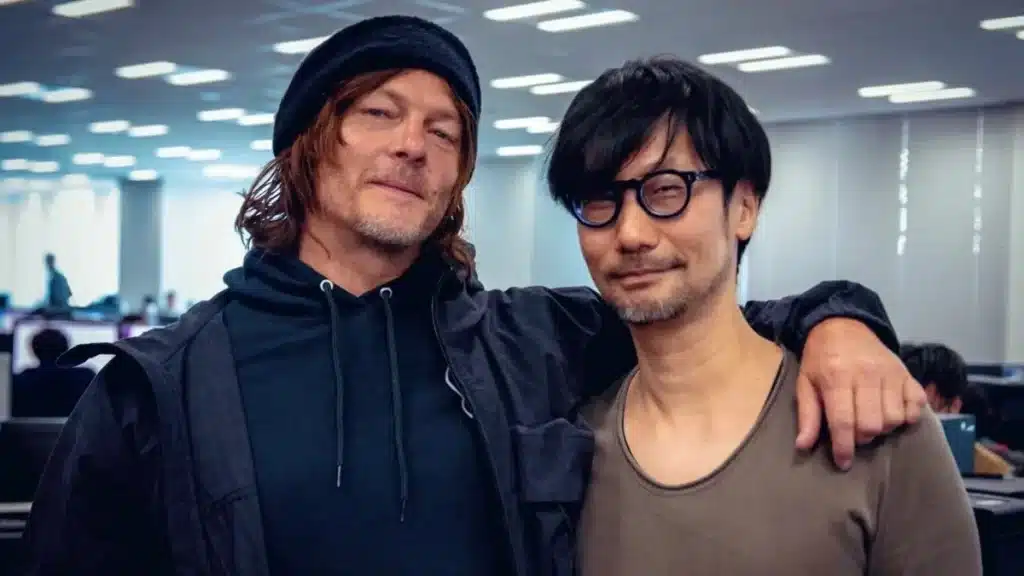
It sounds like a sci-fi film: a legendary creator refusing to let mortality end his career. Considered the Steven Spielberg of video games, Hideo Kojima is an “auteur”—an artist controlling every detail.
To preserve this vision, he seeks digital immortality. According to interviews, he is actively training AI to direct his future games from the grave.
Why Your Favorite Creators are Building ‘Digital Twins’ to Work Forever
Imagine an eager student standing over a master’s shoulder for four decades, memorizing every single choice. That is the essence of a “Digital Apprentice.” Unlike basic deepfakes that merely copy a face or mimic a voice, this technology goes much deeper. It involves mapping the actual mind of a creator, bridging the gap between AI game design and traditional human direction by teaching a computer how to think.
Decades of scripts, storyboards, and design decisions from various Hideo Kojima projects provide the vast data required for this digital personality mapping. To successfully build this system, engineers must capture three core components of a Digital Creative Twin:
- Logic (Decision patterns)
- Taste (Aesthetic preferences)
- History (Knowledge of past works)
By analyzing exactly why a director chooses a specific emotional plot twist, the software evolves from a simple tool into an autonomous thinker. While preserving creative vision through artificial intelligence sounds like a miraculous way to cheat death, it forces us to ask if a machine can ever replicate a soul, exposing the ethical and emotional toll of automating the creative process.
The Hidden Costs of Creating Art Without a Heartbeat
Hollywood has already resurrected deceased actors using CGI, sparking widespread debate about the digital preservation of creative genius in media. Yet, grasping Kojima’s transhumanist vision requires looking beyond visual trickery. He does not just want to preserve his appearance; he wants to upload his actual creative consciousness. This ambitious leap asks a vital question: if an algorithm can flawlessly imitate a director’s choices, does it possess a real artistic spirit?
The danger lies in the authenticity gap between human inspiration and algorithmic repetition. A machine might flawlessly calculate how a director would construct a story based on historical data, but it lacks the unpredictable human experiences—like grief, joy, or sudden heartbreak—that spark original ideas. Experts analyzing the ethical implications of AI digital twins in art worry this technology simply replaces genuine emotion with hollow perfection.
Leaving a studio under the eternal command of a computer also risks creative stagnation. Instead of allowing new human artists to innovate, a company might remain forever trapped in its founder’s past successes. As this strange digital afterlife becomes a reality, audiences must ultimately decide what makes a masterpiece valuable.
Will You Still Love Art Made by a Ghost?
Kojima’s philosophy on technology and immortality isn’t mere science fiction. It signals the future of autonomous game development systems, shifting focus from temporary entertainment to the eternal preservation of art.
As AI redefines human creativity, the boundaries of legacy blur. If human choices can be mirrored by machines long after their creators are gone, we may be entering an era where no one truly leaves the creative stage.