

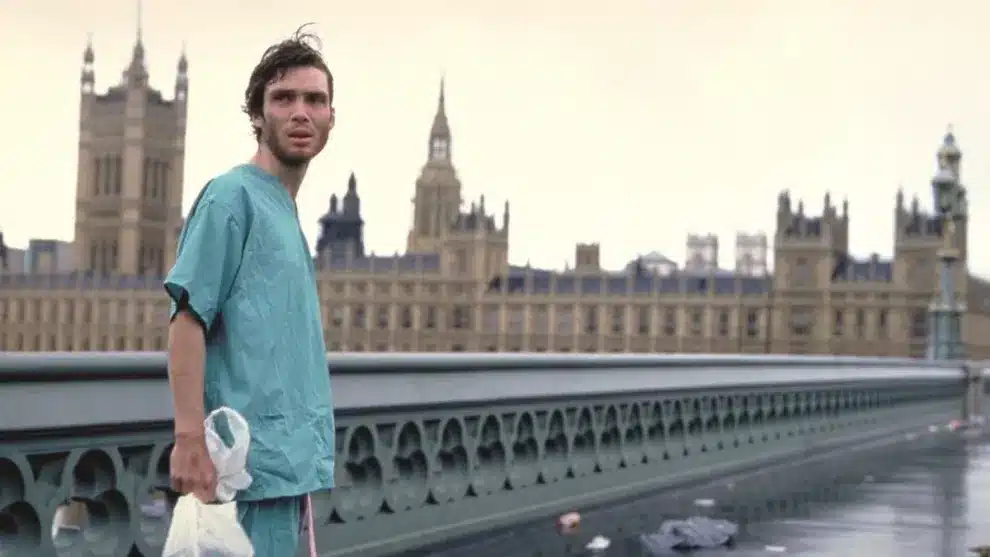
Have you noticed a missing step in the 28 Days Later franchise timeline? After the 2007 sequel, audiences naturally expected the “Months” chapter next. Rest assured, you didn’t miss a movie. A 17-year gap in Danny Boyle movie trilogy production cycles simply made a short time-jump chronologically impossible.
According to returning creators Boyle and Alex Garland, real-world aging required this massive leap. That explains why it’s called 28 Years Later and not 28 Months Later; shifting to 2025 seamlessly matches actual elapsed time.
From Survivor to Icon: How Real-Time Aging Forced a Multi-Decade Jump
When the original survivor of the rage virus returns, the timeline math makes perfect sense. We all know Cillian Murphy was the lead in the first film, but over two decades have passed since he woke up in that hospital. This gap illustrates exactly how real-time aging affects movie sequels.
Setting the story merely “months” later would require forcing the actor back into his twenties using distracting de-aging technology. Instead, the creators embraced his natural physical evolution:
- 2002 Jim: A terrified, fresh-faced courier surviving day-by-day.
- 2025 Jim: A hardened, mature veteran bearing the weight of a ruined world.
Embracing these changes places 28 Years Later squarely into the “Legacy Sequel” category—a modern trend where long-delayed movies acknowledge the massive passage of time. Because the Cillian Murphy role in the new sequel matches his actual age, the jump feels remarkably authentic.
Building a New World: Why ‘Years’ Offers a Better Narrative Than ‘Months’
Skipping the “Months” timeline was a deliberate creative choice to escape the familiar zombie survival loop. A movie set shortly after the outbreak simply offers more immediate chaos—another desperate chase through ruined streets. Instead, the narrative impact of a three-decade jump trades raw panic for something deeper.
This massive gap allows a genre shift from intimate survival horror to a sprawling epic. Through the Alex Garland screenplay evolution, viewers enter a post-apocalyptic society thirty years later. We aren’t watching people react to the apocalypse anymore; we are watching them navigate the tribal factions that grew over its ashes.
Decades of isolation also transform the threat itself. Surviving this long implies a dangerous evolution of the Rage Virus strain, potentially introducing adapted “Alpha” carriers who rule the overgrown ecosystem. This permanent reality establishes a rich environment for expanded storytelling.
The Start of a New Trilogy: Why the Jump Prepares Us for a Long-Term Future
For anyone still wondering, will there be a 28 Months Later movie? The answer is definitively no. Standard naming conventions in survival horror franchises often trap stories in immediate, repetitive aftermaths. By skipping ahead, the creators gracefully retire the 2007 era, giving this revived universe essential room to breathe.
This bold jump lays the strategic foundation for an entirely new trilogy. The franchise is no longer just about surviving the initial infection; it invites audiences to explore a radically altered world over the next decade of horror.