

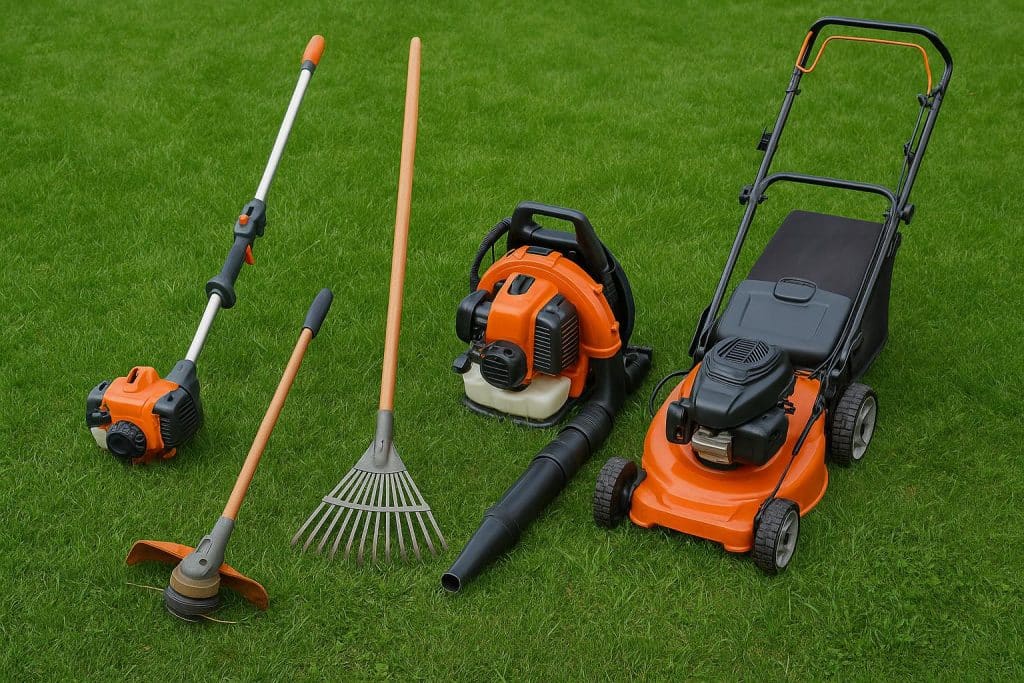
In lawn care, having the right tools is just as important as having the right skills. Professional landscapers and lawn maintenance crews rely on efficiency, consistency, and durability to deliver high-quality results across every job site. Whether you are managing residential lawns or large commercial properties, your equipment directly impacts productivity and customer satisfaction. Investing in essential tools not only improves work quality but also reduces long-term operational costs by minimizing downtime and repairs. From cutting and trimming to cleanup and transport, a well-equipped lawn care professional is always prepared for any challenge the landscape presents.
Modern lawn care also demands adaptability to different terrains, weather conditions, and client expectations. Professionals who understand how to match the right tool to each task can significantly improve both speed and precision. As competition grows in the landscaping industry, efficiency and presentation have become key differentiators for successful businesses.
1. Essential Cutting Tools
Core tools include high-quality mowers, string trimmers, and edging tools. A reliable mower ensures even cuts and consistent lawn appearance, while trimmers handle hard-to-reach areas. Edgers provide clean borders that elevate curb appeal and professionalism. Choosing durable, commercial-grade equipment reduces breakdowns and increases efficiency on demanding schedules.
Beyond basic cutting tools, professionals often invest in backup blades, sharpening kits, and maintenance tools to ensure peak performance. Dull blades can damage grass health and reduce the visual quality of a lawn, making regular sharpening essential. Having spare parts on hand also prevents delays during busy seasons, allowing crews to complete jobs without interruption.
2. Power Equipment for Efficiency
Leaf blowers, hedge trimmers, and ride-on mowers help professionals cover larger areas in less time. Battery-powered options are increasingly popular for reducing noise and emissions while maintaining strong performance. These tools are essential for scaling operations and handling seasonal workload spikes.
In addition, professionals often integrate GPS-enabled equipment tracking and fleet management tools to optimize routes and reduce fuel costs. Smart lawn care technology is becoming more common, helping businesses streamline operations and improve accountability across teams. These innovations support faster job completion and better customer communication.
Training staff on proper equipment use also reduces wear and improves overall job safety in the field consistently across all jobs.
3. Irrigation and Maintenance Tools
Sprinkler systems, hoses, and soil testers help maintain healthy lawns. Proper irrigation tools ensure consistent watering schedules, while soil testers guide fertilization and treatment decisions. This leads to greener, more resilient turf throughout the year.
Fertilizers, aerators, and dethatching tools also play a key role in maintaining soil health. These tools ensure that nutrients, air, and water penetrate deeply into the soil, promoting stronger root systems and healthier grass growth over time.
4. Safety and Personal Protective Equipment
Safety gear such as gloves, goggles, ear protection, and boots is essential. Lawn care professionals work with sharp tools and heavy machinery daily, making protective equipment a non-negotiable part of the job. Proper safety practices reduce injuries and ensure compliance with industry standards.
Regular maintenance of safety gear is just as important as wearing it. Professionals should inspect gloves, helmets, and protective eyewear frequently to ensure they remain in good condition. Replacing worn-out gear prevents accidents and keeps crews safe in challenging work environments.
5. Transport and Storage Solutions
Efficient transport solutions like trailers and storage systems keep tools organized and mobile between job sites. A reliable utility trailer in Salt Lake City or any region ensures equipment can be moved safely and efficiently, reducing downtime and improving workflow. Proper organization also extends tool lifespan and improves daily operations.
Storage organization also plays a big role in efficiency. Clearly labeled compartments and weather-resistant storage boxes help protect tools from damage. This is especially important for mobile crews who travel between multiple job sites daily and need quick access to equipment.
In Conclusion
Having the right tools is the foundation of any successful lawn care business. From cutting equipment to safety gear and transport solutions, each item plays a role in improving efficiency and service quality. Professionals who invest wisely in their toolkit are better equipped to deliver consistent, high-quality results and grow their business over time.
Ultimately, investing in high-quality tools is an investment in business reputation. Clients notice the difference in precision, consistency, and professionalism. Over time, well-equipped professionals are able to expand their services, take on larger contracts, and build a stronger presence in the lawn care industry.