

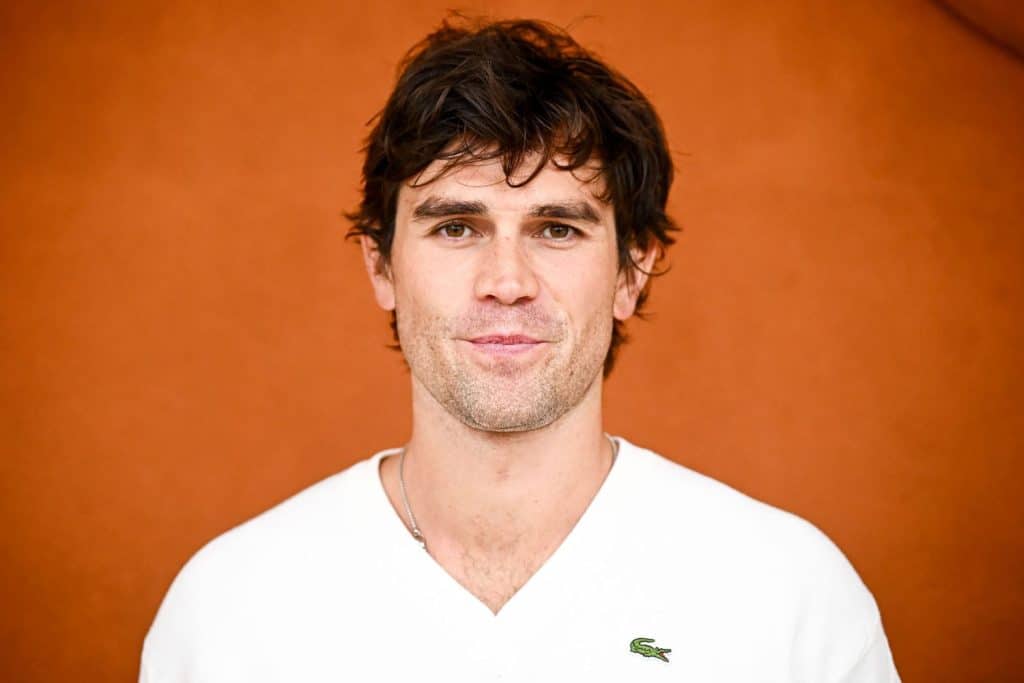
In the fast-paced world of social media, looking exactly like a famous actor can quickly turn an ordinary person into a viral sensation. However, this cultural phenomenon has sparked a serious debate after Riverdale star KJ Apa accuses TikTok doppelganger Mr. Fantasy of “stealing” his identity. As viral TikTok trends continue to push lookalike creators into the spotlight, the line between harmless fun and digital exploitation is rapidly blurring. What often begins as a fun celebrity twin moment can easily escalate into a full-blown KJ Apa identity theft controversy.
The KJ Apa vs Mr. Fantasy Drama Explained
Fans navigating their “For You” pages are naturally asking: Who is Mr. Fantasy on TikTok? He is a content creator who gained massive digital popularity for his striking, almost uncanny resemblance to the Archie Andrews actor. However, the official KJ Apa response to TikTok doppelganger content was not one of flattery. The actor expressed genuine frustration, feeling that the creator was crossing ethical boundaries by mimicking his exact persona.
The KJ Apa vs Mr. Fantasy drama explained highlights a growing issue within the entertainment industry: the real risks of being a celebrity doppelganger on social media. When fans cannot distinguish between the star and the creator, things get legally complicated.
Where is the Line? Celebrity Likeness Rights vs Creative Expression
The core of this dispute lies in navigating celebrity likeness rights vs creative expression. While naturally looking like someone is not a crime, monetizing that exact likeness often is. For creators and fans alike, it is crucial to understand the difference between parody and identity theft online:
- Parody: Exaggerating a celebrity’s traits for comedic or critical effect, clearly marked as satire to the audience.
- Impersonation: Misleading viewers into believing the account belongs to, or is endorsed by, the actual celebrity.
This brings TikTok parody account guidelines and restrictions into sharp focus. Creators are required to clearly label their profiles as fan pages, roleplay, or parodies in their bios to avoid violating the platform’s deceptive behavior policies.
TikTok Celebrity Lookalikes Legal Rights
As professional lookalikes build lucrative online careers, TikTok celebrity lookalikes legal rights have become a hot-button legal topic. The right of publicity in the digital age gives individuals the exclusive legal right to control and profit from their name, image, and likeness (NIL). For working professionals, social media personality rights for actors act as a primary safeguard for their income and reputation.
Consequently, celebrity brand protection against impersonators is now a top priority for Hollywood PR agencies. If a kj apa tiktok doppelganger begins accepting brand deals by confusing fans, it directly violates digital impersonation laws for social media creators.
Protecting Celebrity Likeness from Social Media Doppelgangers
Whether you manage talent or simply want to know how to report celebrity impersonation on TikTok, here are practical steps for protecting celebrity likeness from social media doppelgangers:
- Look for Verification: Always ensure the real celebrity has an official, verified blue checkmark.
- Use Reporting Tools: Report confusing accounts using TikTok’s in-app feature under “Pretending to be someone else.”
- Legal Action: Management teams can issue formal cease-and-desist letters if a lookalike crosses into unauthorized commercial exploitation.
- Audience Education: Public figures should regularly clarify their official channels to their fanbase.
The Final Takeaway
The clash between KJ Apa and his viral lookalike serves as a modern cautionary tale. As social media continues to evolve, balancing a digital creator’s freedom with an actor’s fundamental right to their own face will remain a complex frontier. Understanding these boundaries ensures a more transparent, respectful, and legally compliant online community for everyone.