

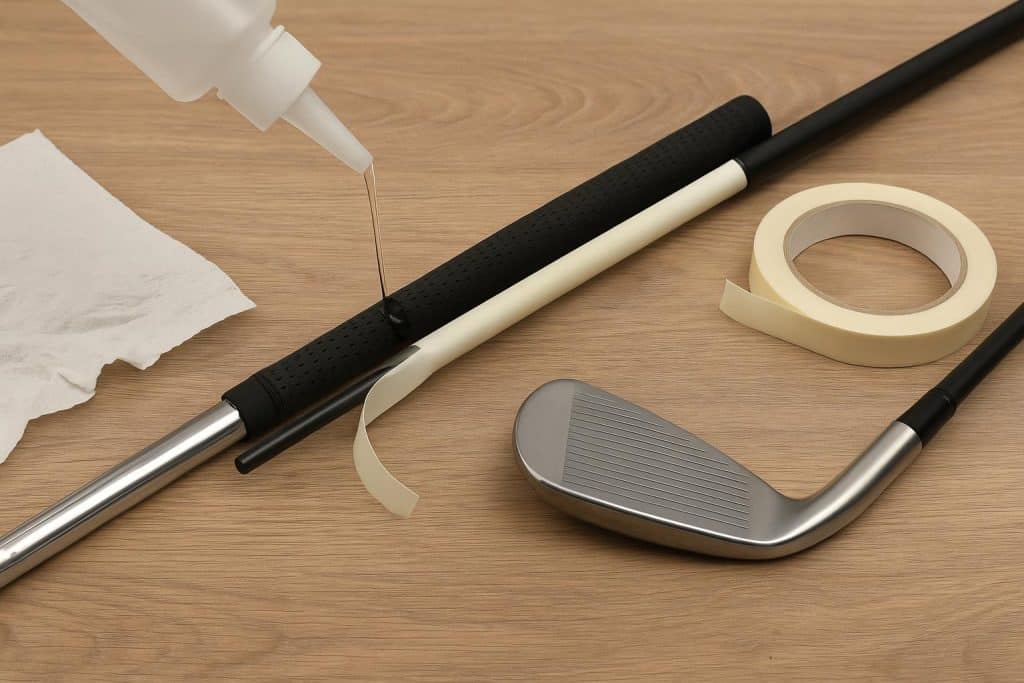
Worn grips have a sneaky way of changing a golf swing. Fingers start slipping, and the body compensates with a tighter grip, an adjusted stance, or an altered follow-through. Those micro-adjustments pile up into habits that are hard to undo. Replacing tired grips brings back the tactile feedback and control that solid ball striking requires. The best part? No pro shop visit is necessary. With a few basic supplies and a bit of patience, the job takes less than ten minutes per club at home.
Why Grips Wear Out Faster Than Most Golfers Expect
Rubber compounds take a beating from sweat, sunscreen, range dirt, and seasonal humidity. After about 40 rounds, or roughly a year of steady play, even quality grips lose their original tack. A quick wipe-down helps temporarily, but the surface texture deteriorates more deeply. Players who hit the range several times a week will likely feel that slickness creep in sooner. The natural response is to squeeze harder, which tightens the forearms and robs clubhead speed. A quick inspection every few months catches wear before it starts affecting performance.
Gathering the Right Supplies
Set up a clean, flat workspace before touching a single club. The essentials include a utility knife, grip solvent (or mineral spirits), double-sided grip tape, a rubber vice clamp, and a shallow tray to catch drips. Learning how to regrip a golf club properly starts with keeping every item within reach. Pausing mid-job to hunt for supplies lets the solvent dry out too fast, turning a simple task into a frustrating one. That drip tray alone saves a surprising amount of cleanup.
Removing the Old Grip Cleanly
Cutting Without Scratching the Shaft
Start by hooking a utility knife blade under the butt end of the worn grip. Draw the blade in a straight line away from the body, keeping pressure light and even. Graphite shafts are prone to scratching, so a hook-style blade is the safer choice for those. Steel shafts handle standard blades well, though controlled strokes still matter. Once the cut runs the full length, peel the rubber off in strips.
Stripping Leftover Adhesive
Old tape rarely comes off willingly. Wrap a cloth soaked in mineral spirits around the shaft and let it sit for about 30 seconds. The residue softens enough to wipe away without heavy scrubbing. On graphite, avoid pressing a razor blade flat against the surface; that kind of pressure can create weak points in the composite material. A completely clean shaft provides a smooth, even bonding surface for the fresh tape.
Applying Tape Without Waste or Wrinkles
Hold the new grip next to the shaft and cut the tape to match the grip’s interior length, leaving roughly half an inch of extra at the butt end. Fold that overhang over the shaft opening to create a seal. Press the tape down firmly while rotating the club, working out air pockets section by section. Doubling up layers adds uneven bulk, so one clean wrap of standard two-inch tape handles most grip sizes perfectly.
Sliding the Grip On Straight
Coat the taped section generously with solvent, then pour some inside the new grip and tilt it around to cover the entire inner wall. Line up any logo or alignment marking with the clubface. Push the grip on in a single, steady motion. Any hesitation gives the solvent time to evaporate, and a half-dry grip is nearly impossible to reposition. A slight twist during the slide helps it glide past sticky spots near the cap.
Aligning and Setting the Grip
With the grip fully seated, hold the club in an address position and check that the pattern or ridge sits square to the face. There is roughly a 60-second window during which the solvent remains active for fine-tuning. Once the alignment looks right, stand the club upright in a corner or a rack. Give it at least four hours to dry before any swinging. Leaving it overnight produces the strongest bond and eliminates the risk of the grip rotating during play.
Common Mistakes That Create a Mess
Skimping on solvent is the number one culprit. A dry patch halfway down the tape locks the grip in place mid-slide, leaving it crooked and nearly impossible to fix. Substituting masking tape or electrical tape for proper grip tape introduces uneven thickness that changes the feel. Forgetting to place a tray under the work area sends solvent streaming onto the floor or countertop. All of these headaches disappear with a few extra seconds of setup.
Conclusion
Handling grips at home puts money back in the budget and builds a stronger connection to the clubs in the bag. Fresh grips ease hand tension, promote lighter grip pressure, and support cleaner contact through the hitting zone. Once the process feels familiar, it becomes second nature. Keeping a small stash of tape and solvent handy makes it simple to swap grips the moment wear becomes noticeable. A few minutes of preparation up front leads to better results and longer-lasting comfort on the course.