

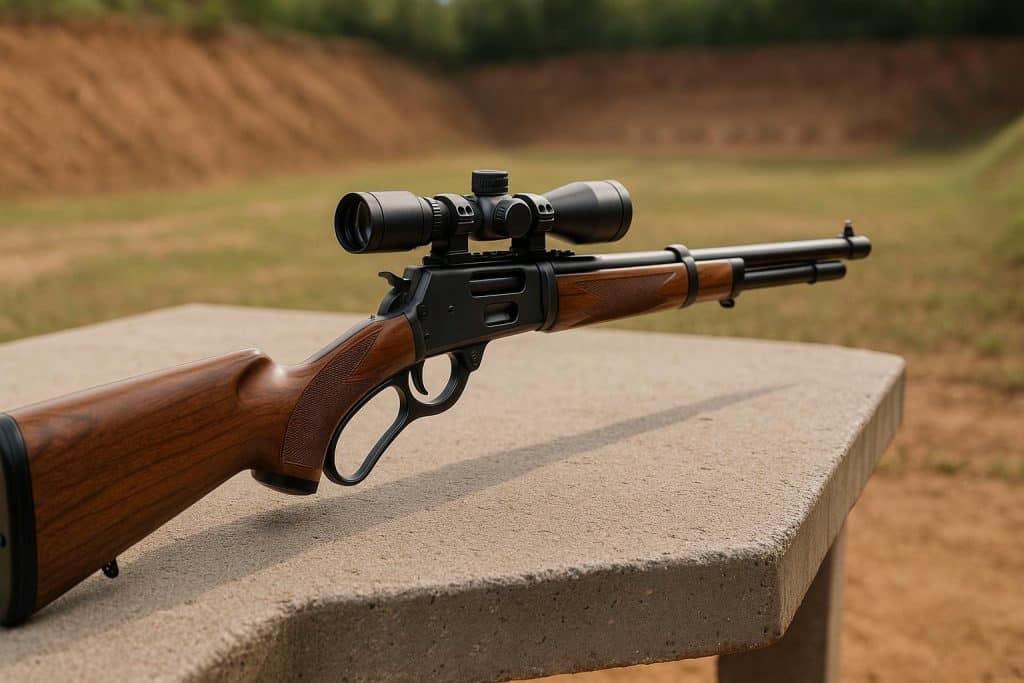
For a long stretch, lever-action rifles occupied a narrow place in shooting culture, tied to hunting camps, ranch chores, and family safes. Recent demand suggests a broader role. Buyers now consider this action for range practice, field carry, and general property defense. Several factors appear to support that shift, including straightforward operation, easier compliance in some jurisdictions, and factory updates that answer current expectations while preserving the platform’s familiar mechanical behavior.
Why Interest Is Rising
Much of the renewed attention comes from practical use rather than sentiment. Buyers often want a rifle with visible cycling, balanced weight, and controls that make sense after a few repetitions. In that context, the henry big boy rifle offers a useful reference point because current makers now pair traditional actions with optics mounting surfaces, threaded muzzles, and weather-resistant materials. Those additions give the platform present utility without stripping away the hand-worked feel many shooters still prefer.
Simple Controls Matter
A lever rifle communicates clearly. The user cycles the action, chambers a round, and sees each step occur through direct movement of metal parts. That visible process can reduce uncertainty during early training. New owners often gain confidence faster with a system that feels concrete rather than abstract. Over time, repeated handling builds familiarity, and that ease can weigh heavily during a purchase decision.
State Laws Shape Choices
Local firearm rules influence buying habits in direct ways. In states with tighter controls on some semiautomatic rifles, a lever gun may provide useful capability without the same legal friction. That difference matters for hunters, landowners, and regular range visitors. A rifle that avoids feature restrictions or added filing requirements often becomes the sensible option. Practical legality can carry as much weight as chambering, barrel length, or finish.
Modern Features Change Perception
Many current models address long-standing complaints. Buyers can now find side loading gates, optics rails, corrosion-resistant coatings, and threaded barrels where permitted. These additions change how the platform is viewed. A rifle that accepts a compact scope or suppressor feels relevant to people who expect flexibility. The action remains old by origin, yet the ownership experience no longer feels frozen in another century.
Handling Still Wins Fans
Balance remains a major strength. Many examples ride close to the torso, swing smoothly through brush, and mount quickly during short-range drills. That quality matters in dense cover and during informal practice alike. Recoil impulse can feel manageable, depending on caliber, stock shape, and overall mass. Shooters often report quick sight recovery, which helps support accurate follow-up shots at moderate distance.
Caliber Choice Expands Use
From Plinking to Hunting
Chambering options widen the platform’s usefulness. Pistol-caliber versions can lower recoil and trim ammunition cost during casual target sessions. Traditional hunting rounds still serve deer season and field work with little compromise. That spread allows one action type to cover several needs inside a single household. Recreation, property carry, and seasonal hunting can all fit under the same mechanical format.
Culture Adds Momentum
Public exposure has shifted as well. Western imagery never disappeared, yet current interest also comes from custom builds, range videos, and practical match clips. Younger buyers now encounter lever rifles outside old movie references. That matters because familiarity often begins on a screen, then deepens at a rental counter or store display. Once handled in person, the platform tends to make a durable first impression.
Training Benefits Are Real
Manual cycling can reinforce sound habits. Each shot asks the user to restore grip pressure, confirm sight alignment, and work the lever without disturbing body position. Those steps reward patience and mechanical consistency. Some instructors value tools that slow the pace just enough to highlight errors. A clean stroke, paired with steady follow-through, can teach timing and control more effectively than hurried strings.
Limits Still Exist
No rifle type fits every role. Reload speed remains slower than detachable magazine systems, and accessory compatibility can vary from one model to another. Some owners also find takedown or internal cleaning less familiar if their experience centers on newer actions. Those drawbacks deserve clear acknowledgment. Even so, they do not erase the qualities that continue drawing fresh interest from current buyers.
Buyer Demographics Are Wider
The customer base has broadened beyond collectors and cowboy-action shooters. First-time owners, deer hunters, rural residents, and suppressor users now appear in the same category. Retail workers often see interest from several age groups on a single day. Parents may appreciate the visible action of a firearm, while experienced shooters value the comfort of carrying it and the quality of its machining. A genuine return usually looks like that: steady demand from varied audiences.
Conclusion
Available evidence points to a real return for the lever-action rifle, rather than a passing burst of curiosity. Buyers appear drawn by legal practicality, visible operation, updated factory features, and balanced handling in the field. Semiautomatic rifles still dominate many discussions, yet lever guns have regained a clear place in current buying patterns. For shooters seeking dependable function, mechanical clarity, and traditional character, this action now feels relevant again.