

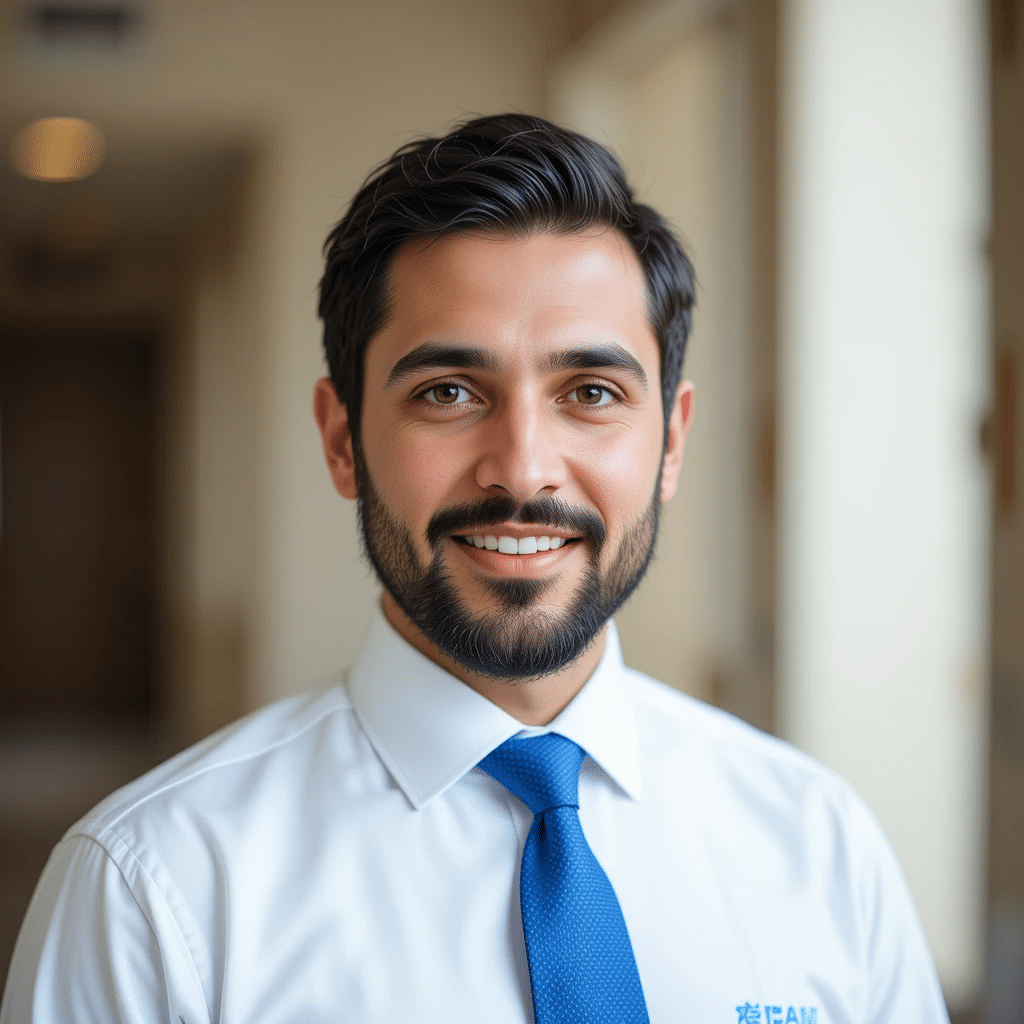
In the medical device industry, precision isn’t aspirational. It’s the baseline. A single overlooked variance in a surgical implant or diagnostic tool can mean the difference between patient safety and significant harm. That reality shapes how quality assurance professionals like Shashank Murali approach their work.
Based in Minneapolis, Minnesota, Murali has built his career around ensuring medical devices meet the exacting standards required by regulators, clinicians, and patients. His role sits at the intersection of science, manufacturing, and compliance, where technical rigor meets real-world consequence.
From Engineering Foundations to Quality Systems
Shashank Murali didn’t start in quality assurance. Like many professionals in the field, his path began in engineering, where he developed a working knowledge of how products are designed, tested, and brought to market. That foundation gave him something critical: the ability to spot problems before they become systemic.
Medical device QA isn’t about catching defects after the fact. It’s about designing processes that prevent them from occurring in the first place. Murali’s approach reflects that philosophy. He focuses on upstream interventions, working with design and manufacturing teams to embed quality controls at every stage of development. The goal is to make compliance and safety inherent to the process, not bolted on during final inspection.
His work includes managing documentation systems that satisfy FDA requirements, coordinating cross-functional teams during product validations, and implementing corrective and preventive actions when deviations occur. These aren’t glamorous tasks, but they’re essential. In an industry where regulatory scrutiny is intense and product recalls can be catastrophic, the infrastructure Murali helps maintain is what keeps companies compliant and patients safe.
Compliance as a Competitive Advantage
Regulatory compliance in the medical device sector is often viewed as a burden. Shashank Murali sees it differently. When done well, a robust quality management system doesn’t slow a company down. It creates clarity, reduces rework, and builds trust with regulators and customers alike.
Minneapolis has emerged as a significant hub for medical technology companies, with a concentration of firms developing everything from cardiovascular devices to orthopedic implants. The city’s ecosystem includes established manufacturers, innovative startups, and a deep talent pool shaped by decades of industry presence. Within that landscape, professionals like Murali play a stabilizing role, ensuring that innovation doesn’t outpace the controls needed to bring products safely to market.
His expertise spans ISO 13485 standards, design control processes, and risk management frameworks. He’s familiar with the nuances of 21 CFR Part 820, the FDA’s Quality System Regulation, and knows how to navigate the inspection process that every medical device manufacturer eventually faces. That knowledge isn’t theoretical. It’s the product of years spent in manufacturing environments where audit readiness and process discipline are part of daily operations.
Murali also understands that quality systems are only as effective as the people who use them. He’s been involved in training initiatives that help engineering and operations teams understand why certain protocols exist and how to execute them consistently. The best quality professionals don’t just enforce standards. They build cultures where those standards make sense to everyone involved.
Navigating a Shifting Regulatory Landscape
The medical device industry is in constant flux. New technologies like software-driven diagnostics and AI-enabled imaging tools are forcing regulators to rethink longstanding frameworks. At the same time, global supply chains and international harmonization efforts are changing how companies demonstrate compliance across different markets.
For QA professionals working in Minneapolis and throughout the Midwest, staying current isn’t optional. Shashank Murali has adapted by keeping pace with evolving guidance documents, participating in industry forums, and understanding how regulatory trends impact day-to-day operations. He recognizes that the fundamentals of quality assurance remain consistent, but the tools and expectations surrounding them are always shifting.
One area of growing importance is post-market surveillance. Once a device is on the market, manufacturers are required to monitor its performance, track adverse events, and report findings to regulatory bodies. Murali has experience managing complaint handling systems and implementing processes that ensure issues are identified, investigated, and resolved in a timely manner. This work doesn’t generate headlines, but it’s critical to maintaining product integrity and public trust.
He’s also been involved in supplier quality management, where the challenge is ensuring that components sourced from third parties meet the same standards applied internally. In an industry where traceability and material controls are paramount, managing supplier risk is a high-stakes responsibility. Murali approaches it with the same methodical diligence he applies to internal processes.
A Professional Presence in Minneapolis
Shashank Murali’s career reflects the broader strength of Minneapolis as a center for medical technology talent. The city is home to major players in the industry, along with a network of contract manufacturers, consulting firms, and specialized service providers. That ecosystem creates opportunities for professionals who understand both the technical and regulatory sides of device development.
Murali’s background positions him well within that environment. He’s worked across different stages of the product lifecycle, from initial design validation through commercial manufacturing and post-market monitoring. That breadth of experience makes him a versatile contributor in an industry where cross-functional collaboration is essential.
His professional trajectory also highlights a larger trend in quality assurance: the shift from purely reactive oversight to proactive risk management. Modern QA professionals are expected to engage early in product development, identify potential compliance issues before they escalate, and contribute to strategic decisions about process improvements and system enhancements. Murali embodies that shift, bringing a mindset focused on prevention rather than correction.
Looking Ahead
The medical device industry will continue to evolve, driven by technological innovation, regulatory changes, and shifting market dynamics. For quality assurance professionals like Shashank Murali, that evolution creates both challenges and opportunities.
As devices become more complex and interconnected, the systems required to ensure their safety will need to keep pace. QA will increasingly involve data analytics, software validation, and cybersecurity considerations alongside traditional manufacturing controls. Professionals who can bridge those domains will be in high demand.
Murali’s work in Minneapolis positions him at the center of that transition. The city’s medical device sector remains robust, and the need for experienced quality professionals shows no signs of diminishing. Whether supporting new product launches, navigating regulatory inspections, or improving existing processes, the role of QA in protecting patient safety remains as critical as ever.
In an industry where precision matters and margins for error are nonexistent, Shashank Murali represents the kind of disciplined, detail-oriented professionalism that keeps the system functioning. His contributions may not always be visible to the end user, but they’re embedded in every device that makes it safely to market.