

You lock the door. Check the camera feed. Maybe even glance at your phone one more time before heading to bed.
Everything looks secure.
But here’s the uncomfortable question: if something unexpected happened right now, power outage, sudden emergency, a long night without outside help, would your home still feel safe?
Because real safety doesn’t stop at the front door.
Security Is More Than a Perimeter
Locks and cameras are the obvious starting point. They create a boundary. A sense of control.
But they’re also passive.
They tell you something might be wrong. They don’t necessarily help you handle it.
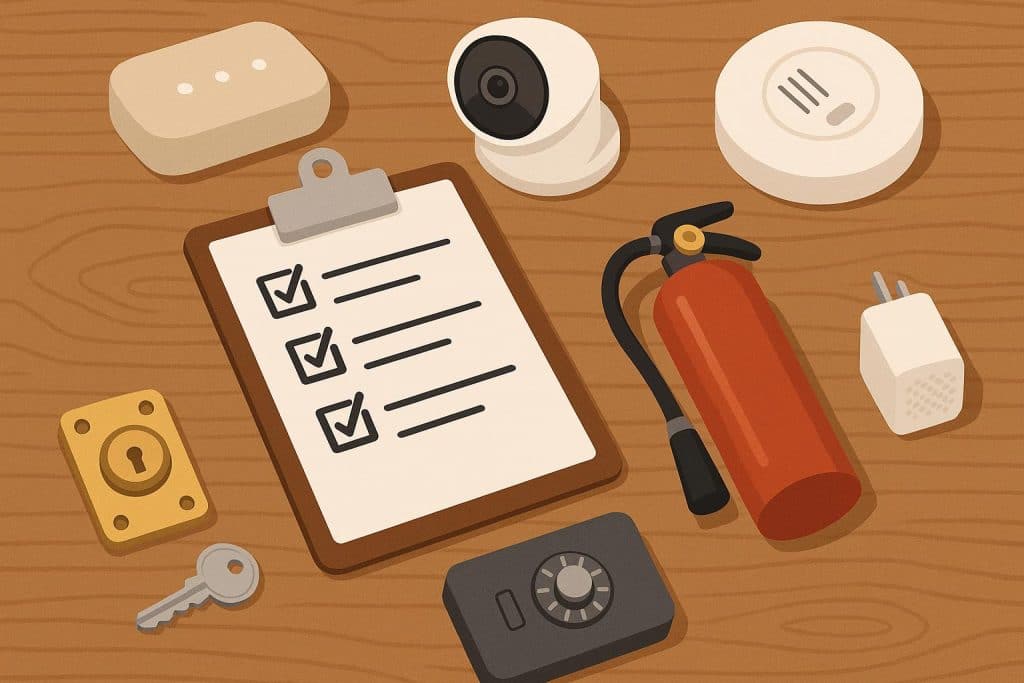
That’s where a more complete safety checklist comes in, one that looks inward, not just outward. It asks: What happens after the alert? After the disruption? After the plan changes?
Start With the Basics You Actually Use
A strong safety setup begins with the everyday essentials.
Working flashlights in key areas, not buried in a drawer. Backup batteries that aren’t expired. A first aid kit that goes beyond bandages and actually reflects your household’s needs.
Water and shelf-stable food? Not extreme. Just practical.
These aren’t dramatic additions. They’re quiet upgrades that make a real difference when normal routines pause.
Because most emergencies aren’t cinematic, they’re inconvenient.
Power, Light, and Communication
If your home loses power tonight, what changes?
Lighting is the obvious answer, but it’s not the only one. Your phone battery becomes a resource. Your ability to get updates shrinks. Small inconveniences stack up quickly.
A simple safety checklist includes backup power, portable chargers, maybe a small generator if it fits your situation. A battery-powered radio can keep you informed when networks drop.
And lighting? Think layers. Flashlights, lanterns, even headlamps. Different tools for different moments.
The goal isn’t abundance. It’s coverage.
Know Your Layout Like It Matters
Here’s something people overlook: familiarity.
In an emergency, your home should feel navigable without effort. You should know where supplies are without thinking. You should be able to move through spaces, even in low light, without hesitation.
That doesn’t happen by accident.
It comes from organization. From keeping things in consistent places. From occasionally running through simple scenarios: If I needed this right now, could I grab it immediately?
Because in real situations, seconds matter, and confusion costs time.
Where Defensive Planning Fits
For some households, safety includes a layer of personal protection.
That might mean reinforced doors, motion lighting, or other defensive tools designed to slow or deter threats. For others, it includes a defensive firearm as part of a broader home strategy.
The key is balance.
Defensive gear should support your safety plan, not overshadow it. It’s one component, not the entire checklist. Responsible owners think in terms of integration: safe storage, proper training, and maintaining necessary supplies.
In some cases, that includes keeping access to resources like bulk ammo for sale as part of long-term readiness, but always alongside essentials like food, water, and medical preparedness.
Because safety isn’t defined by one category. It’s the combination that counts.
Routine Turns Setup Into Readiness
Here’s where most setups fall short: maintenance.
Supplies expire. Batteries drain. Plans get outdated.
A real safety checklist isn’t static, it’s a routine.
Monthly check-ins. Quick tests. Small updates that keep everything functional without turning it into a chore.
High-performing systems rely on consistency and real-time awareness to stay effective. The same applies at home. A little attention over time beats a big overhaul once a year.
The Gut Check That Matters
If something disrupted your home tonight, no warning, no prep time, would your setup help or slow you down?
Would you know where to go? What to grab? What to do first?
That question cuts through everything.
Because safety isn’t about what you own. It’s about what you can use.
Final Thought: Quiet Confidence Over Visible Security
The safest homes don’t always look impressive from the outside.
They’re organized. Thoughtful. Ready in ways that aren’t obvious at a glance.
Locks and cameras still matter, they’re part of the picture. But real safety goes deeper. It lives in the systems behind them, the habits that support them, and the clarity that ties everything together.
No noise. No excess.
Just a home that works when it needs to.