

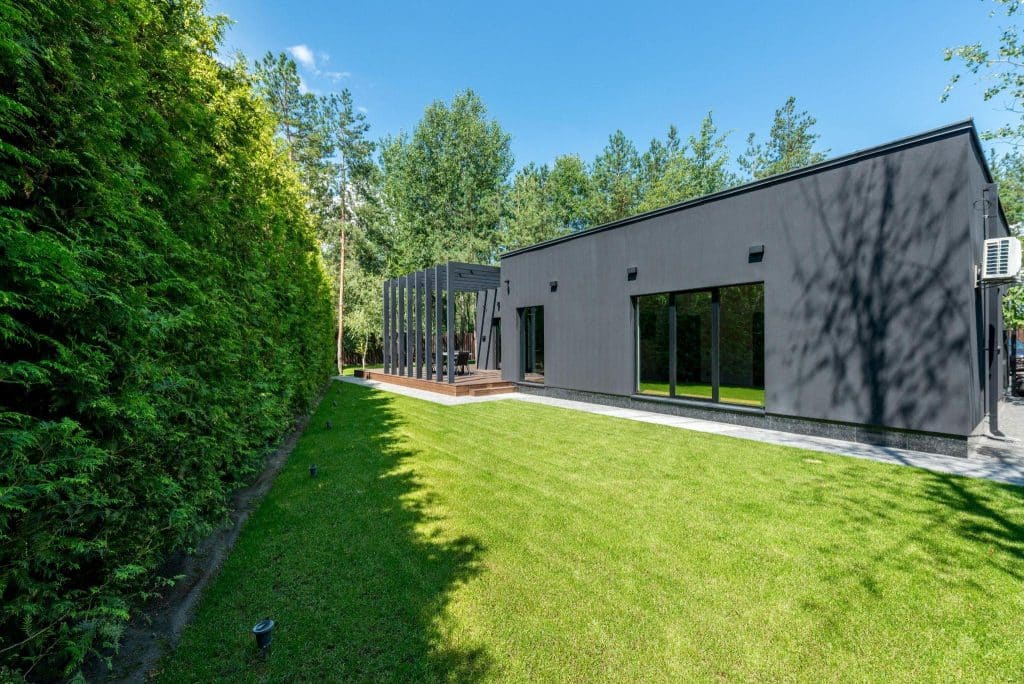
A new patio has a way of transforming the back of a house into something that feels less like a yard and more like an extension of the living room. Maybe you’ve been daydreaming about long evenings entertaining friends, mornings with a quiet cup of coffee outside, or simply a feature that boosts resale value when the time comes. Whatever’s driving the idea, a little planning before the first shovel goes in the ground will save you headaches and money. Below are the things worth sorting out before the project gets rolling.
Start with How You’ll Actually Use It
Before anything else, get specific about the role this patio will play in your life. Will it be your outdoor dining room? A lounge zone? The grilling and gathering hub? Some blend of all three?
Answering this question shapes every decision that follows, including the footprint, geometry, surface, and layout. A patio designed to seat a dozen people for dinner is a totally different animal from a tucked-away nook with two chairs and a side table. The trick is to be realistic about how you’ll genuinely use the space, rather than how you imagine using it on a perfect Saturday in June.
Read the Land Before You Build on It
Take a careful look at the ground before construction kicks off. A patio needs a base that’s level, stable, and engineered to shed water properly. Drainage is one of those issues people don’t think about until water is pooling at their feet after a thunderstorm.
A flat lot is the simplest starting point, but a slope isn’t necessarily a problem. In fact, it can lead to interesting design moves, such as raised tiers or integrated steps, that give the space personality. Either way, if your site needs significant leveling, boulder removal, or grading work, that’s the moment to call in someone who specializes in patio hardscaping. Done correctly, the prep work is what keeps a patio intact for decades instead of cracking, settling, or drifting out of place.
Build a Budget That Reflects Reality
As with anything you tack onto a house, putting a real number on the project early prevents a lot of grief down the line. Patio costs vary enormously based on the materials you choose, how complex the design is, and how much labor you’re outsourcing versus doing yourself.
Account for all of it: site excavation, the base layer, the surface itself, and the slow drip of extras that always sneak in, like lights, planters, outdoor furniture, and maybe a pergola eventually. Give yourself a contingency cushion, too, because something unexpected almost always shows up. Stubborn tree roots, a drainage problem nobody noticed, a backordered shipment. These things have a way of finding their way into every project.
Pick Your Surface Material Thoughtfully
Your material choice drives almost everything downstream, including aesthetics, longevity, and the amount of weekend maintenance you’re willing to commit to. The usual contenders are poured concrete, brick, natural stone, and pavers, each with its own character.
Natural stone brings a warm, earthy quality and develops more character with age, though it tends to want more attention over the years. Concrete and pavers come in at lower price points and give you tremendous design freedom, particularly if you’re after a sleek or contemporary look. Brick sits comfortably in the middle: timeless, warm-toned, and graceful as it weathers.
Sort Out the Permits and Local Rules
Before the digging starts, swing by your municipality’s website or pick up the phone. Codes vary from town to town, and some places are noticeably more particular than others. You may run into rules about overall square footage, approved materials, setbacks from your property line, and other small details that can derail a project if you skip past them.
Permitting isn’t anyone’s favorite chapter of a build, but a few minutes of research up front beats fines, stop-work orders, or having to demolish part of your finished patio later.
Think About Privacy and Shade Now, Not Later
Privacy and shade tend to get treated as last-minute add-ons, when in reality they have a huge effect on whether the space feels usable. If your neighbors are close by, it’s worth weighing options like fencing, trellises, or natural screens such as tall shrubs and hedges. The greenery takes a season or two to fill out, but the result is well worth the patience.
Shade is just as important, especially in a yard that bakes in the afternoon sun. Pergolas, retractable awnings, and shade sails can transform a sweltering slab into a spot you genuinely want to be. Folding these elements into the original design almost always looks more intentional than bolting them on after the fact.
Don’t Skip Lighting and Utility Planning
Lighting tends to be undersold during planning, but it makes or breaks the after-dark feel of a patio. Overhead bistro strands, low-voltage path lights, accent fixtures aimed at greenery, and even subtle LED strips along step risers are the layers that take a patio from finished to genuinely inviting once the sun drops.
If a fire pit, outdoor kitchen, or water feature is on the longer-term wish list, the planning stage is when to map out the utilities for it. Pulling electrical or plumbing during construction is dramatically easier than tearing things up to run lines later. This is also work that really should go to a licensed pro, since both safety and code compliance are non-negotiable.
Bring in the Right Crew
DIY has its place, and plenty of homeowners take on parts of their patio build themselves. But there’s a ceiling on what’s reasonable to handle solo, especially once heavy materials, water management, and structural elements come into play.
If this isn’t your everyday wheelhouse, hiring someone who lives and breathes this work pays off. Seek out contractors who focus on patios and outdoor living rather than general construction.
Professionals can walk you through the entire process, from initial concept and prep to build and finishing details, and make sure the base is dialed in, the materials are laid correctly, and the result still looks great a decade from now. The gap between an okay patio and a fantastic one almost always traces back to whose hands built it.