Migration to the United States has long been driven by a combination of economic aspirations, political pressures, and the search for security. In recent years, a growing number of migrants arriving at the U.S. border have come from India, particularly from the state of Punjab. Among them, Sikhs represent a significant proportion, bringing with them distinct cultural, religious, and socio-economic needs that often remain insufficiently addressed.
The Historical Roots of Sikh Migration to America
The Sikh presence in the United States is not new. Migration dates back to the early 20th century, when Sikh laborers settled primarily in agricultural regions such as California. Today, the Sikh population is estimated to range from several hundred thousand to over half a million, although precise figures remain uncertain due to limitations in census classifications . This long-standing community has contributed to American economic life, yet newer waves of migrants face a markedly different set of challenges.
Contemporary Drivers of Migration from Punjab
A key factor driving recent migration from Punjab is a combination of economic instability and perceived political or social pressures. Many migrants are young men seeking better opportunities abroad, often undertaking costly and complex journeys to reach the United States. A substantial number apply for asylum upon arrival. In fact, Punjabi speakers account for a majority of Indian asylum cases in U.S. immigration courts, highlighting the scale of this phenomenon.
Asylum Seeking and Legal Complexities at the U.S. Border
Upon arrival, migrants frequently encounter immediate structural barriers. One of the most pressing is access to legal representation. The U.S. asylum system is highly complex, and recent regulatory changes have introduced stricter requirements and shorter timelines for filing claims. Advocacy groups warn that such measures risk disadvantaging vulnerable populations, including Sikh asylum seekers, by limiting their ability to adequately present their cases . Moreover, research suggests that asylum decisions can vary significantly depending on factors such as the presiding judge or broader political context, raising concerns about consistency and fairness in the system.
Language Barriers and Access to Essential Services
Language barriers represent another major obstacle. Many Sikh migrants speak Punjabi as their primary language and may have limited proficiency in English. This affects not only their ability to navigate legal processes but also their access to essential services such as healthcare. Studies have shown that language limitations can significantly reduce access to medical care, particularly among low-income Punjabi-speaking populations.
Economic Integration and Labor Market Vulnerabilities
Economic integration is equally challenging. New arrivals often find employment in physically demanding and low-wage sectors, including agriculture, trucking, and service industries. While these jobs provide an entry point into the labor market, they are frequently associated with long hours, limited protections, and financial instability. Many migrants also face the pressure of sending remittances back to their families, further compounding their economic vulnerability.
Identity, Discrimination, and Mental Health Challenges
In addition to structural barriers, Sikh migrants must contend with issues related to identity and discrimination. Cultural misunderstandings and visible religious markers can complicate integration, while mental health challenges linked to migration stress are often overlooked. A deeper understanding of these dynamics is essential, as highlighted in a detailed overview of the Sikh community in the United States (example in this article), including its culture, identity, and mental health challenges.
Religious Visibility and Incidents of Bias
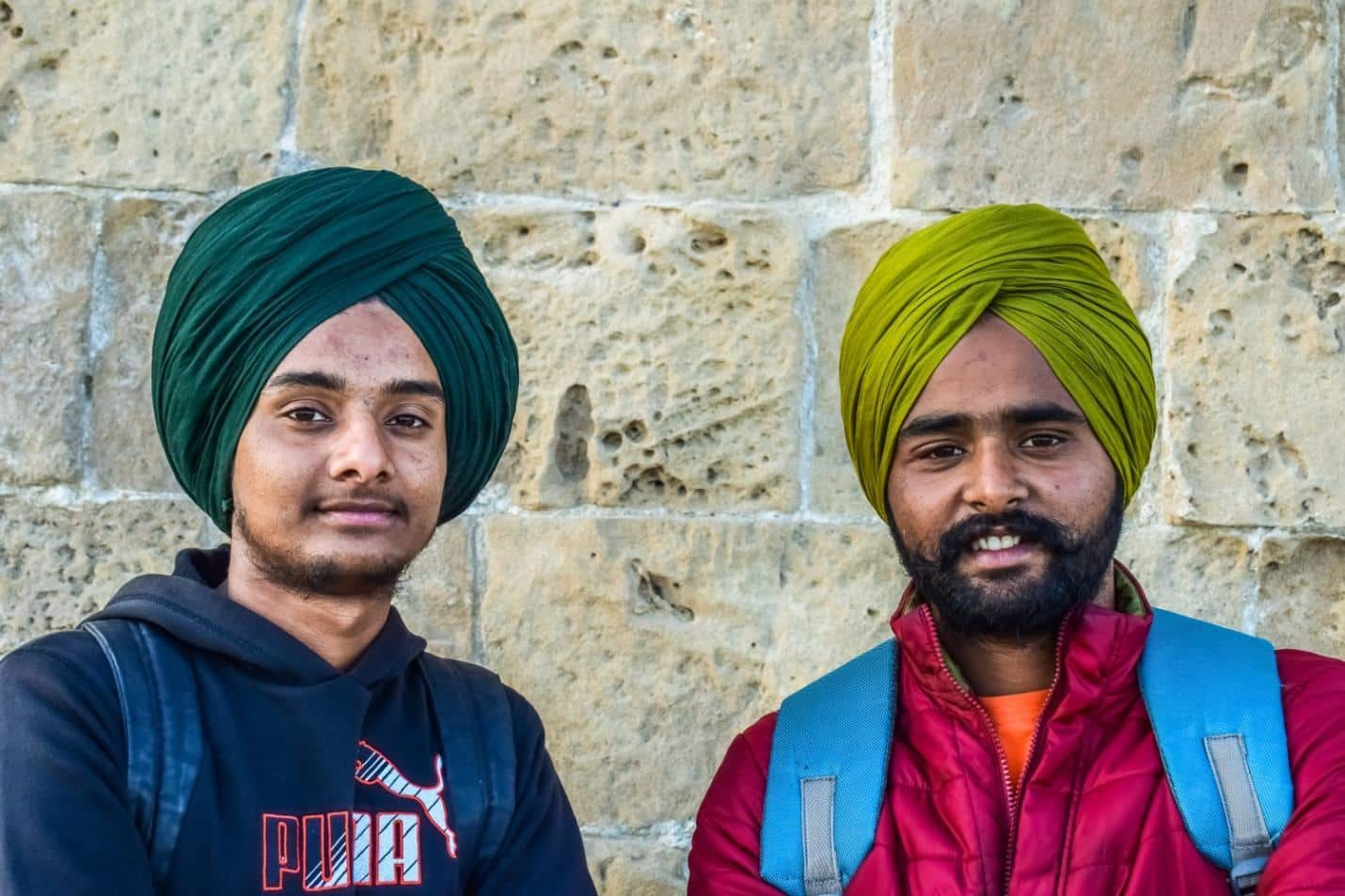
The visible markers of Sikh identity—such as turbans and uncut hair—can make individuals more susceptible to bias and misunderstanding. Reports have documented cases in which Sikh asylum seekers experienced religious discrimination at the U.S. border, including the confiscation of religious articles like turbans, raising serious concerns about the protection of religious freedom. More broadly, Sikh communities in the United States continue to face elevated levels of hate crimes, underscoring the persistence of social challenges even after resettlement.
Community Responses and Support Networks
These overlapping difficulties point to a broader need for targeted policy responses. Improved access to interpretation services, expanded legal assistance programs, and stronger enforcement of anti-discrimination protections are frequently cited as key priorities. Community-based organizations have also played an essential role in supporting Sikh migrants, offering resources ranging from legal guidance to cultural orientation.
Resilience and the Role of Sikh Institutions
At the same time, it is important to recognize the agency and resilience of migrant communities themselves. Sikh migrants have historically built strong support networks, including religious institutions such as gurdwaras, which often serve as hubs for social and economic assistance. These networks can help mitigate some of the challenges associated with migration, although they cannot fully substitute for comprehensive policy solutions.
Migration, Integration, and Broader Structural Dynamics in the United States
Ultimately, the experience of Sikh migrants in the United States reflects broader dynamics affecting contemporary migration flows. While the motivations for migration may vary, the need for fair legal processes, social inclusion, and economic opportunity remains constant. Addressing these needs requires not only national policy adjustments but also a deeper understanding of the specific circumstances faced by different migrant groups.
Between Opportunity and Persistent Structural Constraints
As migration continues to shape the social and economic landscape of the United States, the situation of Sikh migrants offers a case study in both the opportunities and the limitations of current systems. Ensuring that these individuals can integrate successfully while preserving their cultural and religious identity remains an ongoing challenge—one that will likely remain at the forefront of immigration debates in the years to come.