

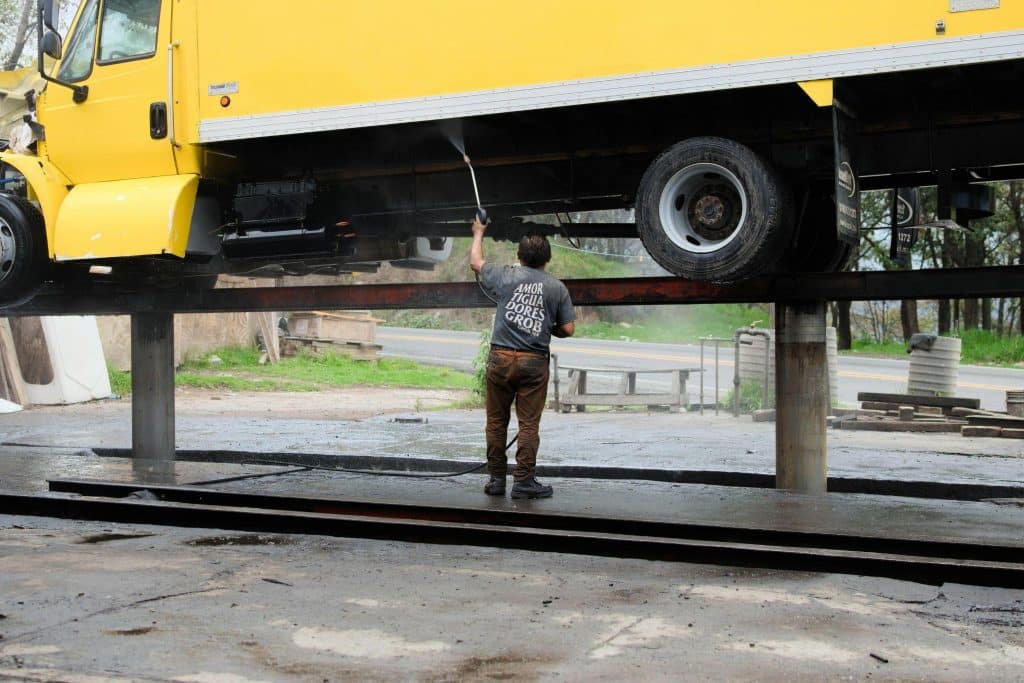
Whether navigating long-haul freight routes or enjoying extended road trips in a recreational vehicle, trucks and RVs operate under demanding conditions across Canada, from salted winter highways to dusty summer backroads. Large vehicles are constantly exposed to contaminants that affect performance, appearance, and longevity. Maintaining cleanliness is not simply a cosmetic concern—it is a core component of responsible vehicle ownership and operational efficiency.
Routine washing plays a critical role in preserving structural integrity, preventing corrosion, and ensuring vehicles remain road-ready in all seasons. With the right approach and access to appropriate washing facilities, truck and RV owners can significantly reduce long-term maintenance costs while improving safety and comfort.
Why Cleanliness Is Critical for Large Vehicles
Trucks and RVs face challenges that standard passenger vehicles rarely encounter. Their size, surface area, and operating environments make them particularly vulnerable to dirt accumulation and environmental damage.
1. Protection Against Corrosion
Canadian winters are especially harsh on vehicles. Road salt, brine, and de-icing chemicals cling to metal components, accelerating rust formation if not removed regularly. Undercarriages, wheel wells, and frame components are particularly at risk. Consistent washing removes corrosive residues before they cause permanent damage.
2. Mechanical Reliability
Mud, sand, and grime can interfere with suspension parts, braking systems, and sensors. Over time, buildup restricts movement and traps moisture, leading to premature wear. A clean vehicle is easier to inspect and maintain, reducing the likelihood of unexpected mechanical failures.
3. Improved Fuel Efficiency
While often overlooked, excessive dirt adds weight and increases aerodynamic drag. Over long distances, this can result in higher fuel consumption. Clean surfaces allow air to flow more smoothly around the vehicle, supporting better efficiency on highways.
4. Professional Image and Comfort
For commercial drivers, vehicle appearance reflects professionalism and care. For RV owners, cleanliness enhances comfort and enjoyment during travel. Clean windows, mirrors, and lights also improve visibility and overall driving safety.
Choosing the Right Washing Method for Trucks and RVs
Because of their dimensions and construction, trucks and RVs require specialized washing approaches. Using inappropriate facilities can result in incomplete cleaning or surface damage.
Professional Truck and RV Wash Facilities
Facilities designed for large vehicles offer oversized bays, reinforced wash systems, and equipment capable of reaching high and wide surfaces safely. These locations allow drivers to clean their vehicles efficiently without risking damage to mirrors, antennas, or roof-mounted components.
When drivers search for a truck wash near them, they are often seeking more than convenience. They need a solution that accommodates vehicle size, removes heavy-duty grime, and minimizes downtime. Access to proper wash infrastructure supports both compliance and operational continuity.
Manual vs. Automated Cleaning
Some owners prefer hands-on cleaning to focus on specific problem areas, while others rely on automated systems for consistency and speed. Both approaches can be effective when used correctly and with appropriate equipment.
Automated systems are particularly useful for frequent washes, ensuring even coverage across large surfaces. Manual cleaning, on the other hand, allows detailed attention to wheels, undercarriage sections, and stubborn residue.
Essential Steps for Effective Truck and RV Washing
Regardless of the method chosen, following a structured washing process ensures thorough results and minimizes the risk of surface damage.
Step 1: Pre-Rinse
Begin by rinsing the entire exterior to loosen dirt, salt, and debris. This step prevents abrasive particles from scratching paint during washing and prepares surfaces for detergent application.
Step 2: Apply Vehicle-Safe Detergents
Use cleaners specifically formulated for large vehicles. These products break down grease, diesel residue, and organic buildup without stripping protective coatings. Avoid household soaps, which can damage paint and seals.
Step 3: Focus on High-Risk Areas
Pay special attention to:
- Undercarriage and frame components
- Wheel wells and rims
- Front grills and mirrors
- Roof edges and seams
These areas accumulate the most contaminants and are most susceptible to corrosion.
Step 4: Thorough Rinse
Rinse from top to bottom, allowing gravity to carry away loosened grime. Ensure all detergent residue is removed, particularly around trim, joints, and seals.
Step 5: Dry and Inspect
Drying prevents water spots and allows for visual inspection. While drying, look for paint chips, cracks, or early signs of rust. Addressing minor issues promptly prevents costly repairs later.
The Role of Touchless Cleaning for Large Vehicles
For trucks and RVs with delicate finishes, decals, or custom paintwork, non-contact washing methods provide an added layer of protection. A touchless car wash uses high-pressure water and specialized detergents to remove grime without physical brushes, reducing the risk of scratches and swirl marks.
This method is particularly beneficial for RV exteriors, which often include fiberglass panels, vinyl graphics, and sealants that can be damaged by friction-based systems. Touchless washing also offers consistent results across expansive surfaces, making it an efficient option for routine maintenance.
Interior Cleaning: Comfort and Health on the Road
Exterior cleanliness is only part of the equation. Interior spaces in trucks and RVs directly affect driver comfort, air quality, and overall well-being.
Cab and Living Area Maintenance
- Dashboards and Controls: Dust buildup can interfere with switches and displays. Use microfiber cloths and mild cleaners.
- Seats and Upholstery: Vacuum regularly and treat spills promptly. Leather surfaces benefit from conditioning to prevent cracking.
- Floors and Mats: Remove and wash rubber mats; deep-clean carpets periodically to remove embedded dirt.
- Air Filters: Clean or replace cabin air filters to maintain fresh airflow and reduce allergens.
Maintaining a clean interior is especially important during long journeys, where drivers and passengers spend extended periods inside the vehicle.
Preventing Rust Through Consistent Washing
Rust prevention is one of the most compelling reasons to maintain a regular washing schedule.
- Prioritize Undercarriage Cleaning: Salt and moisture accumulate underneath, especially during winter.
- Apply Protective Coatings: Wax and sealants create barriers against moisture and contaminants.
- Inspect Seasonally: After winter, check for paint damage or exposed metal and address issues immediately.
Preventive care significantly extends vehicle lifespan and preserves resale value.
Seasonal Cleaning Strategies for Canadian Conditions
Canada’s climate demands a seasonal approach to vehicle maintenance.
Spring
Remove winter salt and grime. Apply wax to protect surfaces for warmer months.
Summer
Clean bug splatter promptly, as acidic residues can damage paint. Dust interiors more frequently during dry conditions.
Autumn
Clear leaves and debris from seals and roof areas. Prepare vehicles for colder temperatures.
Winter
Wash more frequently to prevent salt buildup. Use warm-water systems designed for cold-weather operation.
Environmental Responsibility in Vehicle Washing
Modern washing practices increasingly emphasize sustainability. Many facilities use biodegradable detergents and water reclamation systems that significantly reduce consumption and prevent contaminated runoff from entering storm drains.
Choosing environmentally responsible washing methods protects not only vehicles but also surrounding ecosystems—an important consideration for Canadian communities.
Long-Term Value of Regular Truck and RV Washing
Consistent washing is an investment in vehicle longevity. Clean vehicles experience:
- Reduced corrosion and mechanical wear
- Improved fuel efficiency
- Easier inspections and maintenance
- Higher resale value
Whether for commercial use or recreational travel, maintaining cleanliness supports safer, more efficient journeys.
Final Thoughts
Keeping a truck or RV clean is a practical responsibility that delivers measurable benefits. From corrosion prevention and mechanical reliability to improved comfort and professional appearance, regular washing supports every aspect of vehicle ownership.
By using appropriate facilities—whether searching for a truck wash near me for deep cleaning or relying on a touchless car wash for gentle routine maintenance—drivers can protect their investment and enjoy smoother travels across Canada’s diverse landscapes. Consistency, proper techniques, and seasonal awareness are the keys to keeping large vehicles road-ready year after year.