

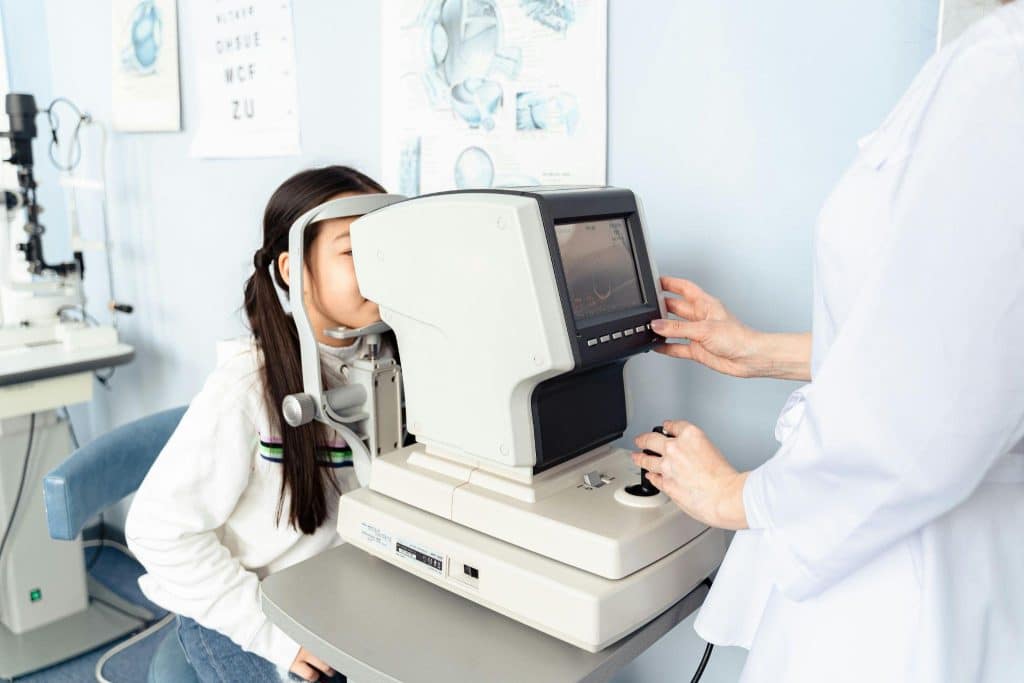
Vision is often taken for granted until changes begin to interfere with everyday life. Reading, driving, working, and enjoying leisure activities all depend on healthy eyesight, yet many eye conditions develop quietly over the years. A lifelong eye care plan—focused on regular assessments and timely specialist involvement—helps protect vision and supports independence at every stage of life.
Understanding how clinics and specialists contribute to long-term eye health allows individuals to take a proactive, informed approach to caring for their eyesight. In growing urban centres such as Calgary, access to comprehensive eye care resources makes preventive planning both practical and effective.
Why Eye Health Requires a Long-Term Perspective
Eyes change over time, influenced by age, genetics, environment, and overall health. Some changes are expected and manageable, while others signal the onset of conditions that benefit from early detection.
A long-term approach to eye care recognizes that:
- Many eye conditions develop gradually
- Symptoms may appear only after damage has occurred
- Early detection improves outcomes
- Ongoing monitoring supports timely intervention
Rather than waiting for vision problems to arise, regular assessments establish a baseline and track changes before they become disruptive.
The Role of Routine Eye Evaluations
Routine eye evaluations form the foundation of a lifelong eye care plan. These assessments examine visual clarity, eye pressure, eye alignment, and the health of internal eye structures.
People often seek an eye clinic in Calgary for routine evaluations to:
- Monitor vision changes over time
- Detect early signs of eye disease
- Assess visual comfort and function
- Receive guidance on next steps when concerns arise
Even when vision feels stable, routine evaluations can reveal subtle changes that warrant closer attention.
How Regular Assessments Support Early Detection
Many eye conditions progress silently in their early stages. Glaucoma, macular changes, and cataracts may not cause noticeable symptoms until vision loss has already occurred.
Regular assessments support early detection by:
- Identifying changes in eye pressure
- Monitoring lens clarity and retinal health
- Detecting structural changes before symptoms appear
Early detection often expands management options and helps preserve vision.
When Specialist Involvement Becomes Important
While routine evaluations address many needs, certain findings require a higher level of expertise. Specialist eye care focuses on diagnosing and managing complex or progressive conditions.
Individuals may be referred to an eye specialist in Calgary when:
- Vision changes persist or worsen
- Structural abnormalities are detected
- Advanced diagnostic testing is required
- Surgical evaluation may be appropriate
Specialists provide in-depth assessments that guide both short-term decisions and long-term planning.
Eye Care Needs Across Different Life Stages
Eye care priorities change over time, and a lifelong plan adapts to these evolving needs.
Early Adulthood
In early adulthood, eye care often focuses on visual comfort, screen-related strain, and establishing baseline eye health. Regular assessments help detect hereditary conditions and early changes.
Midlife
As people enter midlife, subtle vision changes may occur. Difficulty focusing at near distances, increased glare sensitivity, and early lens changes are common. Monitoring during this stage helps distinguish normal aging from treatable conditions.
Later Years
With advancing age, the risk of conditions such as cataracts and other degenerative eye diseases increases. Regular assessments and specialist involvement become especially important to maintain independence and safety.
Cataracts and Long-Term Vision Planning
Cataracts are a common age-related condition that fits naturally into a long-term eye care strategy. Because cataracts develop slowly, they are often monitored over time rather than addressed immediately.
A long-term plan considers:
- How cataracts affect daily activities
- Changes in visual quality over time
- Safety concerns, such as driving
- Personal comfort with vision limitations
Monitoring allows individuals to make informed decisions when functional vision is impacted.
The Importance of Monitoring Rather Than Waiting
A common misconception is that eye care is only necessary when vision problems become severe. In reality, monitoring is most effective when changes are still mild.
Ongoing monitoring allows eye care professionals to:
- Track progression objectively
- Adjust recommendations as needed
- Identify the optimal timing for intervention
This approach avoids both unnecessary delays and premature treatment.
Eye Health and Systemic Conditions
Eye health does not exist in isolation. Many systemic health conditions can affect vision, sometimes before other symptoms appear.
Regular eye assessments may reveal:
- Blood vessel changes linked to diabetes
- Signs of high blood pressure
- Inflammatory changes associated with autoimmune conditions
This connection highlights the role of eye care in broader health awareness.
Patient Education as a Cornerstone of Care
Education is a critical part of any long-term eye care plan. Understanding how eyes change, what symptoms matter, and why follow-up is important empowers individuals to participate actively in their care.
Educated patients are more likely to:
- Attend regular evaluations
- Report changes promptly
- Ask informed questions
- Follow monitoring and management plans
Knowledge transforms eye care from a reactive process into a proactive partnership.
Lifestyle Factors That Support Eye Health
A comprehensive eye care plan also considers lifestyle factors that influence vision over time. While not all conditions can be prevented, healthy habits support overall eye wellness.
Key considerations include:
- Protecting eyes from excessive UV exposure
- Managing screen time and visual strain
- Supporting overall health through balanced nutrition
- Managing chronic conditions effectively
These factors complement professional care and contribute to long-term outcomes.
Building Consistency Into Eye Care
Consistency is one of the most important elements of effective eye care. Sporadic assessments may miss gradual changes that only become clear over time.
A consistent plan involves:
- Regularly scheduled evaluations
- Clear understanding of follow-up intervals
- Prompt attention to new symptoms
Consistency supports continuity and clarity in care.
Addressing Barriers to Regular Eye Care
Some individuals delay eye care due to time constraints, uncertainty, or the absence of noticeable symptoms. Addressing these barriers is essential for long-term vision protection.
Understanding that many eye conditions are asymptomatic in early stages helps emphasize the value of routine care—even when vision seems unchanged.
The Long-Term Benefits of Preventive Eye Care
Preventive eye care offers benefits that extend beyond vision alone. Preserving eyesight supports independence, safety, and quality of life as people age.
Long-term benefits include:
- Reduced risk of severe vision loss
- Better management of progressive conditions
- Increased confidence in daily activities
Preventive care is an investment in future well-being.
Final Thoughts
A lifelong eye care plan is built on regular assessments, informed decision-making, and timely specialist involvement. By understanding how clinics and specialists work together to monitor and protect vision, individuals can take a proactive approach to eye health.
Prioritizing preventive care, education, and consistency allows people to preserve their eyesight and maintain independence over time. Vision health is not just about seeing clearly today—it is about safeguarding quality of life for years to come.