

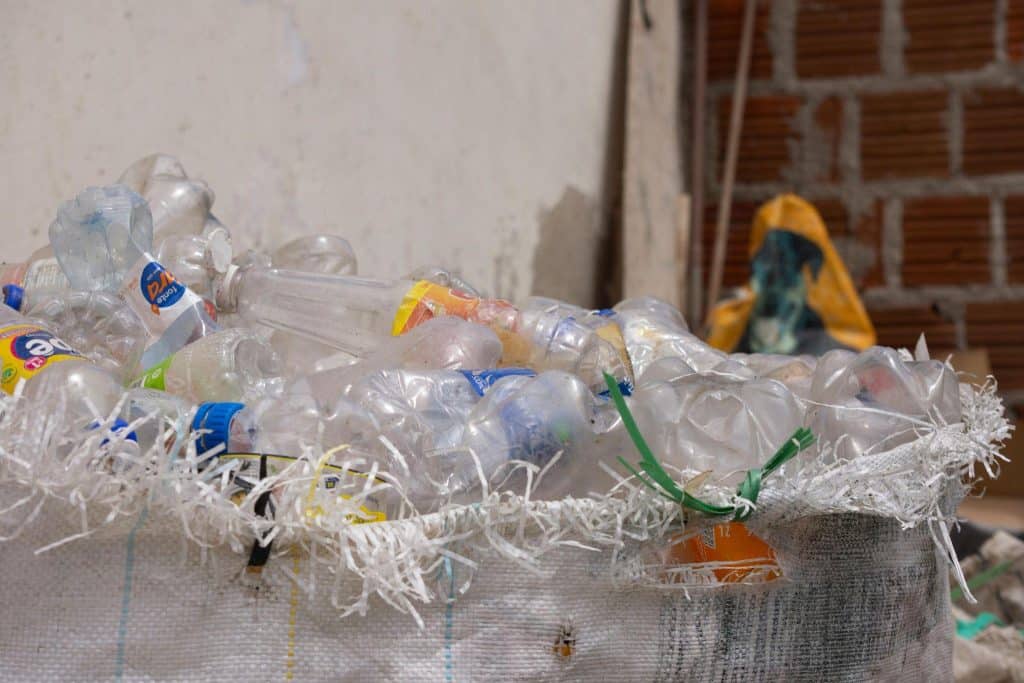
Canada’s environmental sustainability goals depend on systems that transform everyday actions into long-term environmental outcomes. Among the most effective of these systems is the beverage container deposit-refund model, supported by a widespread network of return facilities across the country. While these locations are often perceived simply as drop-off points, their broader role within Canada’s circular economy is substantial and measurable.
By encouraging consistent container returns, a bottle depot system helps reduce waste, conserve natural resources, and ensure materials remain in productive use rather than being discarded. The environmental impact of this participation grows cumulatively, strengthening as recycling becomes a routine part of household and business behaviour.
Understanding the Circular Economy Framework
A circular economy is designed to minimise waste and maximise material value. Unlike the traditional linear model of “take, make, dispose,” a circular system emphasises recovery, reuse, and recycling at every stage of a product’s lifecycle.
For beverage containers, this process involves:
- Collecting containers after consumption
- Sorting and processing materials efficiently
- Reintroducing recovered materials into manufacturing cycles
This closed-loop approach prevents valuable resources from being lost to landfills and reduces dependence on virgin material extraction. A well-structured bottle depot system provides the operational backbone required to keep this cycle functioning at scale.
Why Beverage Containers Fit Circular Systems So Well
Beverage containers are particularly suitable for circular economy models due to their consistency and material value. Most containers fall into standardised categories such as aluminium cans, glass bottles, and PET plastics—all of which are highly recyclable.
These materials offer several advantages:
- They can be recycled multiple times with minimal quality degradation
- They are consumed in high volumes, ensuring steady recovery streams
- They retain economic value when properly sorted and processed
Using a bottle depot allows these containers to transition from single-use items into long-term resources, reinforcing the principles of circular material management.
Reducing Landfill Dependence Through Structured Returns
Landfills represent the end of material usefulness. Once containers enter landfill sites, their potential for reuse is permanently lost, along with the energy and resources invested in their production.
Depot-based recycling significantly reduces landfill dependence by diverting containers into controlled recovery systems. Environmental benefits of landfill diversion include:
- Extended landfill lifespan
- Reduced methane emissions from decomposing waste
- Lower long-term waste management costs for municipalities
Every container returned contributes incrementally to these outcomes, making participation environmentally meaningful at both individual and community levels.
Conserving Natural Resources Through Material Recovery
Recycling through depot systems conserves natural resources by reducing the need for raw material extraction. Manufacturing new containers from recycled inputs typically requires less energy, water, and land disruption compared to producing from virgin resources.
Key conservation outcomes include:
- Reduced mining and drilling activity
- Lower water consumption in industrial processes
- Decreased habitat destruction and ecosystem disturbance
Material recovery through a bottle depot supports responsible resource management while aligning with broader environmental sustainability goals.
Energy Efficiency and Emissions Reduction
Energy consumption is one of the most significant environmental costs associated with manufacturing. Recycling materials such as aluminium and plastic requires substantially less energy than producing them from raw inputs.
This efficiency leads to:
- Lower industrial energy demand
- Reduced greenhouse gas emissions
- Decreased reliance on fossil fuels
Across millions of returned containers annually, these energy savings translate into measurable climate benefits that support national emissions reduction targets.
Improving Recycling Quality and System Efficiency
One of the primary challenges facing curbside recycling programs is contamination. Food residue, mixed materials, and improper sorting often render recyclables unusable, leading to increased disposal rates.
Depot-based systems address this challenge by:
- Accepting defined container categories
- Encouraging proper preparation and sorting
- Maintaining cleaner material streams
Higher-quality recycling inputs improve processing efficiency and increase the likelihood that recovered materials are successfully remanufactured.
Supporting Urban Sustainability Initiatives
Urban centres generate a high volume of beverage container waste due to population density and consumption patterns. Efficient recovery systems are essential to managing this waste sustainably.
Access to a Calgary bottle depot supports urban sustainability by:
- Diverting large volumes of containers from landfills
- Reducing pressure on municipal recycling infrastructure
- Improving overall waste diversion performance
Urban depots play a crucial role in scaling recycling systems as cities continue to grow.
Reducing Litter and Environmental Pollution
Beverage containers are among the most commonly littered items in public spaces. Improper disposal poses risks to wildlife, waterways, and urban environments.
Deposit-refund systems help reduce litter by:
- Assigning monetary value to containers
- Encouraging collection rather than disposal
- Supporting community cleanup initiatives
By incentivising recovery, a bottle depot system ensures containers are returned to recycling streams instead of becoming environmental pollutants.
Behavioural Change Through Economic Incentives
Environmental programs are most effective when they influence behaviour consistently. The deposit-refund model achieves this by providing immediate, tangible incentives for responsible action.
Over time, this system:
- Normalises recycling behaviour
- Reinforces responsible consumption habits
- Builds long-term environmental awareness
As participation becomes routine, environmental responsibility becomes embedded in daily life rather than treated as an occasional effort.
Community-Level Environmental Impact
When households, schools, and businesses consistently participate in depot-based recycling, the collective impact becomes substantial.
Community-level benefits include:
- Cleaner neighbourhoods and public spaces
- Reduced waste accumulation
- Increased environmental awareness and engagement
These outcomes strengthen local environmental resilience while fostering shared responsibility.
Supporting Secondary Recycling Markets
Depot systems supply high-quality, well-sorted recyclable materials to secondary markets. Clean input materials are more valuable, easier to process, and more attractive to manufacturers.
This reliability:
- Supports domestic recycling and manufacturing industries
- Improves the economic viability of recycling programs
- Reduces dependence on imported raw materials
Strong secondary markets are essential to maintaining a functional circular economy.
Reducing Municipal Waste Management Burdens
Municipal waste collection and processing require significant financial and logistical resources. Depot-based recycling reduces this burden by independently managing a major waste category.
Municipal benefits include:
- Lower collection and sorting costs
- Reduced contamination in curbside recycling streams
- Improved overall diversion rates
Rather than competing with municipal programs, depot systems complement them by handling beverage containers efficiently.
Environmental Education Through Participation
Visible, hands-on recycling systems also serve an educational purpose. Participation helps individuals understand material value and environmental impact firsthand.
Younger participants, in particular, learn:
- How recycling works in practice
- Why material recovery matters
- How individual actions contribute to collective outcomes
This form of experiential learning supports long-term sustainability goals.
Long-Term Environmental Resilience
Effective sustainability systems must perform consistently over time. Depot-based recycling maintains high recovery rates year after year, providing stability within Canada’s waste management framework.
Long-term outcomes include:
- Reduced resource depletion
- Lower pollution levels
- Stronger recycling infrastructure
These results contribute directly to national environmental resilience.
Addressing Common Recycling Misconceptions
A common misconception is that individual recycling efforts have minimal impact. In reality, consistent participation creates measurable, system-wide benefits.
Every returned container:
- Saves energy
- Conserves resources
- Reduces waste
Depot systems ensure these benefits are realised at scale rather than lost through inefficiency.
Integrating Recycling Into Daily Routines
Sustainability is most effective when it becomes habitual. Many households integrate depot visits into regular errands, improving consistency and reducing household waste buildup.
Routine participation:
- Simplifies waste management
- Increases return rates
- Maximises environmental benefits
Ease of integration is essential for long-term success.
The Future of Depot-Based Recycling in Canada
As sustainability standards evolve, depot systems are well-positioned to adapt. Advances in sorting technology, data tracking, and material recovery will further enhance efficiency.
Future developments may include:
- Expanded container acceptance
- Improved material tracking systems
- Greater integration with digital tools
These advancements will strengthen the role of bottle depot Calgary networks within Canada’s recycling strategy.
Final Thoughts
Depot-based beverage container recycling is a cornerstone of Canada’s circular economy. By conserving resources, reducing waste, and encouraging responsible behaviour, these systems deliver lasting environmental benefits.
Using accessible return systems empowers individuals and communities to participate meaningfully in sustainability efforts. Through consistent participation, materials remain in use, environmental impact is reduced, and Canada moves closer to a truly circular future.