

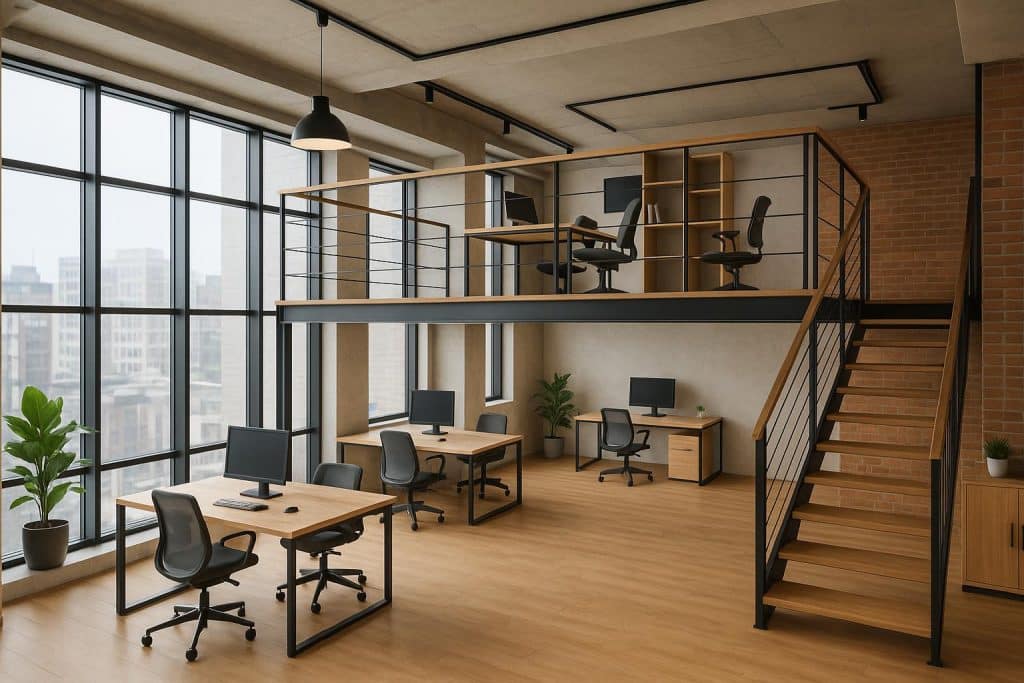
In the ever-evolving landscape of urban development, the challenge to create efficient and functional workspaces within confined areas is more pertinent than ever. As cities expand, space becomes a premium, pushing designers and architects to think creatively. Mezzanine floors provide an elegant solution, maximizing vertical space without the substantial costs associated with traditional expansion. By integrating these intermediate floors, businesses can unlock new potential in their existing spaces, enhancing operations and employee satisfaction. From offices to warehouses, these versatile installations offer myriad advantages for city life.
THE EVOLUTION OF URBAN SPACES
Over the decades, urban areas have transformed from sprawling industrial zones to compact, mixed-use developments. This evolution has been fueled by increasing population densities and the need for sustainable practices. In this pursuit of efficiency, architects have turned to the use of mezzanine floors as a vital addition to modern urban design. These structures not only increase a space’s value but also encourage innovative uses of overhead room, transforming previously redundant areas into vibrant hubs of activity.
As cities become more congested, placing a premium on space, the integration of mezzanine floors is proving invaluable. They allow for the restructuring of interiors without the expense and disruption of a full renovation. Beyond versatility, such floors can significantly reduce material consumption, lowering a building’s carbon footprint. With this approach, businesses and developers are better equipped to meet the ever-growing demand for urban sustainability.
ADVANTAGES OF MEZZANINE FLOORS IN URBAN WORKSPACES
Mezzanine floors offer several benefits to urban workspaces that go beyond merely increasing available space. These structures provide an adaptable solution for companies needing to swiftly pivot as their spatial requirements evolve. As opposed to relocating or investing in additional property, businesses can swiftly install mezzanines to capitalize on existing vertical space, optimizing utility without interrupting operations.
Furthermore, mezzanine floors contribute to an enhanced work environment by delineating distinct functional areas within a single open-plan floor. This allows for the separation of different operations, such as administration, storage, and production. Enhanced acoustics and lighting, tailored to the specific needs of each subdivided space, can further boost productivity and employee satisfaction. In commercial settings, their implementation can optimize sales floors, offering improved customer experiences, increased retail displays, or areas exclusively designed for customer engagement.
NAVIGATING DESIGN AND FUNCTIONALITY OF MEZZANINES
Designing a mezzanine floor requires careful consideration of load-bearing capacities, ceiling heights, and the intended use of the space. Proper planning ensures that these additions harmoniously fit within the existing structural framework, maximizing utility without compromising safety or aesthetics. Given the diverse range of potential applications, the design can vary substantially from one workspace to another.
For example, in a bustling warehouse environment, oracle storage mezzanine floors can be customized to offer extensive benefits, transforming underutilized space into efficient storage areas while maintaining accessibility. The customization options are endless, from integrating conveyor systems to adding browsable inventory stations, enhancing operational workflow effortlessly. Balancing vibrant commercial activity with essential operational functionality highlights the impressive versatility of mezzanines in urban settings.
THE ROLE OF TECHNOLOGY IN MEZZANINE FLOOR DEVELOPMENTS
Incorporating technology into mezzanine floor design has revolutionized the way these structures contribute to urban workspace dynamics. Automated systems, smart materials, and advanced construction techniques have merged to create versatile platforms ready to accommodate a range of innovative solutions. As a result, urban developers are now capable of installing state-of-the-art mezzanine floors suited for modern businesses.
Utilizing technologies such as modular construction and digital integration systems provides distinctly tailored functions. Businesses across different sectors adopt these innovations at varying scales—transforming surfaces into interactive presentations, integrating automated stock rotation systems, or simulating environments conducive to employee creativity. Such advances highlight the powerful impact of technological alignment on maximizing the flexibility and capability offered by mezzanine floors.
MEZZANINE FLOORS IN SMALL BUSINESS SETTINGS
Small businesses constantly face space challenges as they strive to balance costs with operational efficiency. Mezzanine floors offer a sensible solution by reclaiming underutilized space and facilitating business expansion without the outsized costs of new construction. The adaptability of mezzanines is particularly beneficial in sectors that experience seasonal fluctuations, such as retail, where additional selling space can be a game-changer during peak periods.
Business owners looking to enhance storage capabilities, create breakout areas, or offer a more dynamic display of goods can find value in these customizable structures. Notably, enterprises like Rescue Hero Plumbing can leverage this advantage, efficiently using elevated spaces to store equipment, tools, or even create offices, streamlining their operations effectively while maintaining a strong local presence. By maximizing available square footage, businesses secure a competitive edge in crowded markets.
ECO-FRIENDLY ASPECTS OF MEZZANINE FLOORS
The sustainability dimension of mezzanine floors adds another layer of appeal in eco-conscious urban planning. These structures inherently reduce environmental impact by optimizing existing spaces rather than resorting to new construction. The resource-conscious approach minimizes waste generation, makes use of recycled components, and actively encourages the reuse of existing architectural frameworks.
Further sustainability benefits emerge from integrating energy-efficient systems within mezzanine designs. For example, improved insulation, LED lighting, and natural ventilation strategies can be seamlessly combined to enhance efficiency while reducing operational costs and emissions. These features align mezzanines perfectly with green building standards, making them indispensable tools in creating sustainable urban environments.
ENHANCING AESTHETICS THROUGH MEZZANINES
Mezzanine floors are not solely functional additions; they also possess the ability to significantly enhance workspace aesthetics. Creative design approaches can transform these structures into focal points, contributing to an office’s architectural character while reflecting the company’s brand identity. Utilizing varying materials such as glass, wood, or steel, developers can craft unique impressions that resonate with both employees and clients.
In business environments, appealing design elements evoke a strong sense of professionalism and innovation, which can greatly influence consumer perception and even employee morale. Integrating artful staircases, open balustrades, or visually striking fittings infuses life into otherwise nondescript areas. As attention to aesthetic detail increasingly impacts business success, mezzanine floors stand out as valuable instruments in defining distinctive urban workplace environments.
CASE STUDIES: INNOVATIVE USES IN THE MODERN AGE
Around the globe, several case studies highlight innovative mezzanine floor implementations that underscore their transformative potential. For instance, tech companies in Silicon Valley have creatively utilized mezzanines to build collaborative spaces conducive to brainstorming and agile meetings, thereby fostering an environment full of innovation and technological advancement.
Retail giants have employed them to showcase premium products on elevated platforms, allowing customers space to engage with items more closely and offering better visibility and aesthetics that attract walk-in clients. In urban warehouses, the concept of oracle storage mezzanine floors has been applied to maximize inventory management, allowing for easier stock rotation and better logistics operations.
LOOKING TOWARDS THE FUTURE
As urban spaces continue to shrink and environmental consciousness continues to rise, the utility of mezzanine floors in maximizing space efficiency is undeniable. With ongoing advancements in materials and construction technology, the integration of these intermediate floors will likely become more prevalent across various urban developments. Their role in reshaping workplace dynamics with sustainable, versatile, and visually appealing solutions cements their importance in the future of urban planning and architecture.
CONCLUSION
Mezzanine floors have established themselves as vital components of modern urban workspaces, offering an impressive blend of functionality, aesthetics, and sustainability. As more businesses seek ways to maximize their operational footprint in crowded cities, these floors provide the flexibility to grow and adapt alongside market demands. With their numerous advantages and applications, mezzanine floors are set to play an increasingly pivotal role in shaping the urban environments of tomorrow. The journey of innovation in urban design continues with these structures leading the way, contributing invaluable solutions for the dynamic challenges faced by businesses in the modern era.