

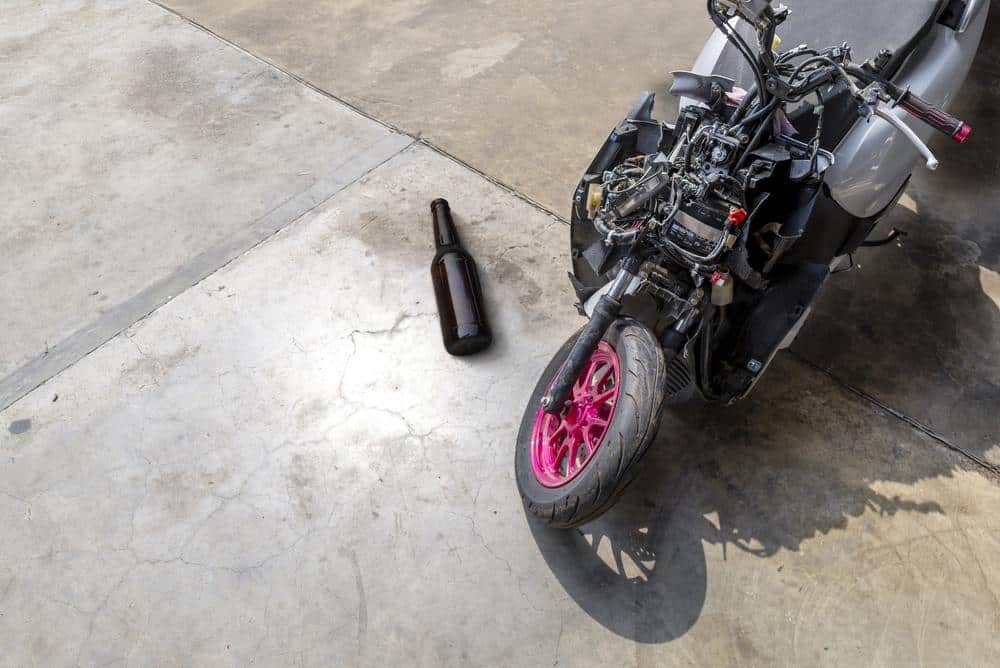
A motorcycle resting on the roadside after a small fall can give the impression that nothing serious has happened.
The scratches look light, the speed felt low, and the rider may even manage to stand up and speak normally right after the incident. That early moment often creates a false sense of relief because everything seems under control at first glance. What is not always visible is how the body and mind are reacting internally after the impact. Many riders only begin to understand the real effect later, once discomfort, stiffness, or confusion slowly appear.
This delay is also where questions around compensation after a motorcycle accident often start to surface, especially when symptoms become clearer hours after the crash rather than immediately at the scene.
The Immediate Scene Often Misleads Riders
Motorcycle crashes that appear minor can easily hide the actual force involved in the impact. A low-speed collision or a small fall may not show serious damage to the vehicle, but the human body inside still absorbs sudden movement and pressure.
Right after the crash, adrenaline becomes active. This natural response keeps the body alert and temporarily reduces pain awareness. Riders often stand up, check their bike, or speak with others while not fully feeling what their body has experienced.
Common “Looks Minor” Situations
- low-speed contact with a car
- small side impact
- light falls from the motorcycle
- minimal visible vehicle damage
Even when everything looks manageable, the internal impact can still be significant. The early calm moment does not always reflect what is developing physically.
The Body Often Reacts After Adrenaline Fades
Once the immediate stress passes, the body begins to shift out of its alert state. This is when hidden discomfort often becomes noticeable. Muscles that were tense during the crash begin to relax, and that is when soreness or stiffness starts to appear.
Pain signals that were delayed by adrenaline gradually become clearer. A rider who felt fine at the scene may later notice difficulty moving the neck, shoulders, or back. This delayed reaction is common in motorcycle incidents because the body prioritizes survival first and awareness later.
It can take hours for the full physical response to show up, which is why many crashes feel more serious after leaving the scene.
Hidden Injuries Can Show Up Later
Some injuries are not immediately visible or felt after a motorcycle crash. Soft tissue strain, joint stress, or internal discomfort may develop slowly rather than instantly.
The absence of visible damage does not always match what is happening inside the body. Movement during impact, even at lower speeds, can place strain on areas that do not show immediate symptoms.
Symptoms Riders Commonly Notice Later
- neck stiffness
- shoulder pain
- back discomfort
- headaches
- dizziness or fatigue
These symptoms may appear gradually and sometimes increase with normal daily movement. Activities that seem simple, such as sitting, walking, or turning the head, can start feeling different once the body fully reacts to the crash.
Mental Processing Becomes Clearer Over Time
The mind also needs time to process what happened fully. At the scene, focus is often on immediate surroundings, safety, and communication. Emotional understanding of the crash may not fully form right away.
Later, when things become quieter, the brain begins to replay details more clearly. This can create a delayed sense of awareness about the event, especially when trying to piece together how the crash actually occurred.
Confusion about timing, movement, or impact is common in these situations. The mind organizes information gradually rather than all at once, which is why understanding often changes hours after the incident.
Everyday Life Can Feel Different After the Crash
Even when a motorcycle crash appears minor, daily life may feel slightly different afterward. Riders may become more cautious, more aware of traffic, or more sensitive to movement on the road.
Simple actions like riding again, sitting for long periods, or handling routine tasks may feel less comfortable for a short time. This change is not always dramatic but can be noticeable as the body and mind continue adjusting.
The experience can also shift how riders interpret similar situations in traffic. Small movements or sounds that once felt normal may now receive more attention after the incident.
Conclusion
A crash that looks small on the surface does not always stay small in its effects. The difference between visible damage and physical impact is often larger than expected. What seems minor at first can still lead to delayed symptoms, emotional confusion, or ongoing discomfort hours later.
This is why monitoring physical and mental changes after a motorcycle crash is important, even when the scene itself did not look serious. The body often reveals the full impact in stages rather than immediately.
In situations where symptoms continue or concerns about recovery arise, discussions about compensation after a motorcycle accident may become part of understanding what comes next. These conversations often begin only after the delayed effects of the crash become more noticeable, long after the initial moment on the road has passed.