

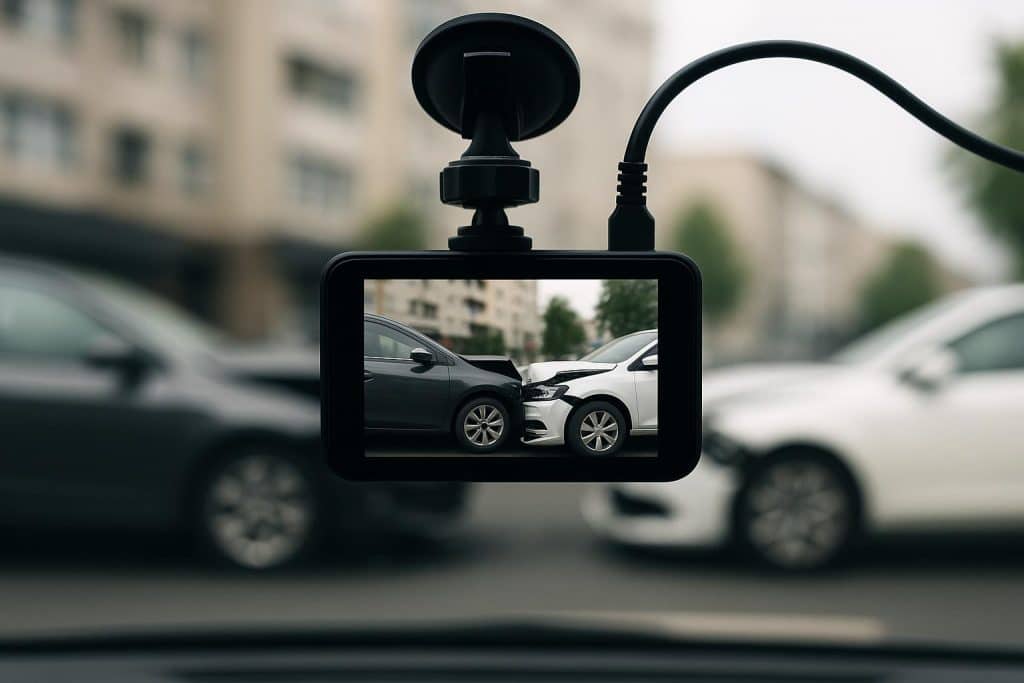
Technology continues to make everyday life more convenient, and dashcams are one example of how modern devices are helping drivers on the road. In car accident situations, dashcam footage can provide a clearer view of how a crash may have happened, helping reduce confusion and disputes between those involved.
Because dashcams record events in real time, they can capture important details that people may miss or remember differently after an accident. For many drivers today, they are more than just a gadget in the car; they are an extra layer of protection and documentation while on the road.
What Is a Dashcam and How Does It Work?
Dashcams, or dashboard cameras, are compact cameras specifically designed for vehicles to record the road throughout the whole car ride. These are usually mounted on the windshield or sometimes on the dashboard, facing the road ahead. Some setups also include rear- or interior-facing cameras.
In many ways, dashcams basically serve as an extra eyewitness inside the vehicle. The difference is that instead of relying on memory or personal accounts after an accident, the footage can be replayed and reviewed later. Depending on the device, dashcams can record video, audio, timestamps, and even location data throughout the drive.
Why More People Rely on Them Today
Motor vehicle accidents remain one of the leading causes of death in the United States, claiming more than 120 lives every day. As traffic congestion increases and millions of crashes occur annually, many drivers are relying on dashcams to help document incidents involving rideshare vehicles, hit-and-runs, and other unexpected events on the road.
For Safety Reasons and Peace of Mind
Because dashcams continuously record the entire ride, many feel more secure knowing there is footage of where they went and what happened during their trip. Whether driving daily, working through rideshare apps, or traveling through busy roads, having footage available can help drivers feel more prepared in unexpected situations.
As Useful Evidence in Car Accident Cases
While witness statements can help investigators understand how an accident occurred, dashcam footage can provide a clearer and more direct view of the incident from the driver’s perspective.
Depending on the camera angle, footage may capture:
- Traffic violations
- Sudden lane changes
- Reckless driving
- Road conditions
- Weather conditions
- Other important details surrounding the crash
In some situations, dashcam footage may also help support a driver’s statements, clarify conflicting accounts, and provide a better understanding of how injuries or vehicle damage may have happened.
What Can Dashcams Capture During a Crash
As long as the device is running during the drive, dashcams can capture many important details before, during, and after an accident.
How the Collision Happened
Properly installed dashcams can clearly capture the moments leading up to a crash. Like how another vehicle approached, changed lanes, failed to stop, or made sudden movements before they collided. The footage may also show how pedestrians, cyclists, or any other road users contributed to the incident.
The Exact Time and Date
Most dashcams automatically include timestamps in their recordings. This helps show the exact time and date the footage was captured, which can later help organize reports, footage, and other records connected to the accident.
Weather and Road Conditions
Dashcams can also record surrounding road conditions during the drive, including rain, low visibility, traffic flow, construction zones, or poor lighting conditions.
These details may help provide better context about what the driver was dealing with at the time of the accident and help clarify details people may later remember differently.
How to Preserve Dashcam Footage Properly to Be Used as Evidence
Digital evidence can easily lose credibility if files are altered, incomplete, or poorly stored. With edited videos and AI-generated content becoming more common today, preserving original dashcam footage properly has become even more important.
Save the Original File Early
Many dashcams automatically overwrite older recordings once storage becomes full. Because of this, it is important to secure and save a copy of the original footage as soon as possible before it gets deleted or replaced by newer recordings.
Keep the Original Footage Unedited
Dashcam footage can be strong but sensitive evidence. Cropping clips, changing timestamps, enhancing audio, or editing the video in any way can raise questions about whether the recording was altered, which may affect its credibility as evidence.
To help preserve credibility, it is best to save and keep an untouched copy of the original footage before sharing, trimming, or creating duplicate files for viewing purposes.
Make Sure the Footage Matches the Facts
Dashcam footage can support a driver’s claim, but it can also point out inconsistencies if their statements do not match what appears in the recording. It is very important that the details in the footage match your statements about the accident and remain accurate and consistent.
If Unsure How to Properly Use Dashcam Footage, Speak With a Lawyer
Handling evidence after a car accident can sometimes become more complicated than people expect. While dashcam footage can be helpful, properly preserving, reviewing, and presenting it still matters.
If you are unsure how the footage may affect your situation, speaking with a legal expert can help you better understand how it may be used, whether additional evidence may still be needed, and how to properly protect both the footage and your rights after an accident.
For example, after a crash near the Las Vegas Strip, a driver may have dashcam footage showing another vehicle running a red light. While the video can be valuable evidence, it may not capture every detail of the collision or the events that followed. In this situation, a Las Vegas car accident lawyer can help review the footage, determine how it fits into the overall claim, gather additional supporting evidence, and ensure the video is properly preserved and presented.
Technology Can Be a Powerful Tool When Used Properly
Dashcams have become more than just an extra gadget inside a vehicle. They now serve a great purpose for drivers as an added layer of security, documentation, and peace of mind while on the road.
While technology cannot prevent every accident from happening, tools like dashcams can help provide clearer information during stressful situations when used responsibly and preserved properly.