

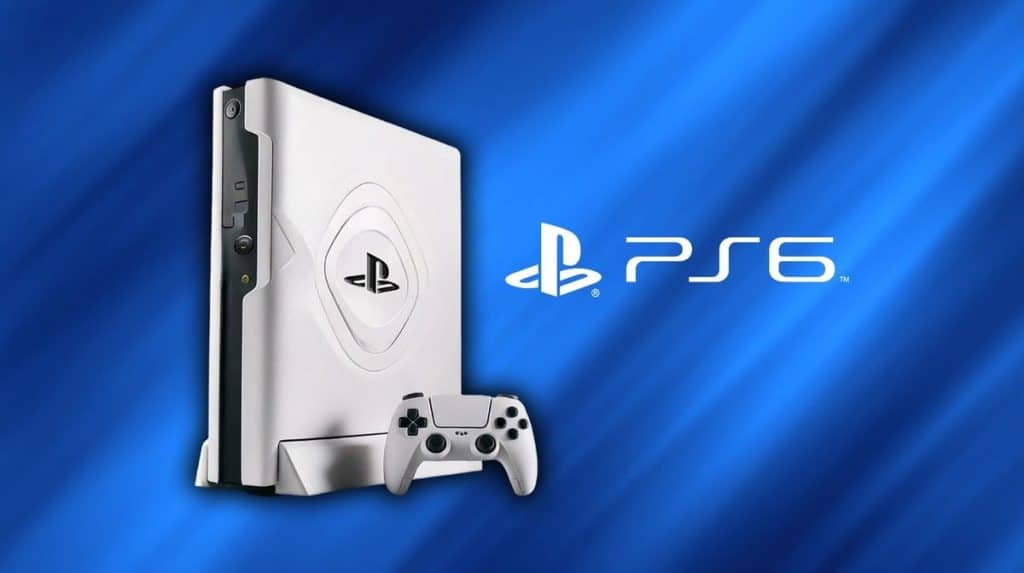
The gaming landscape is shifting. After years of maximizing the current generation of hardware, the big news is finally here: Sony confirms they’re now focused on PlayStation 6. While the PS5 continues to deliver incredible interactive experiences, the tech giant’s attention is officially pivoting toward the future of entertainment. Let’s break down what this means for you, from hardware leaps to library management.
Anticipated Timelines and Roadmaps
Gamers everywhere are currently asking one primary question: When will PlayStation 6 be released? If we look at a historical guide to Sony’s official console development cycles, new hardware generations typically arrive every seven years. Following this reliable pattern, the PS6 expected release window timeline points toward late 2027 or 2028.
This projected ps6 release date aligns perfectly with the Sony future hardware development roadmap, giving game developers ample time to transition their current projects.
Under the Hood: Power and Performance
What will power this new machine? The next-generation gaming console hardware specs are rumored to be revolutionary. Here is what tech enthusiasts are watching closely:
- Processing Power: Insider rumors suggest the inclusion of AMD Zen 6 architecture in gaming consoles, providing massive boosts to CPU performance and overall efficiency.
- Visual Fidelity: We anticipate a true ray tracing evolution in future consoles, delivering hyper-realistic lighting and shadows. Coupled with advanced AI-driven upscaling for console gaming, players might finally witness reliable and expected 8K gaming performance on PS6.
- The Pro Factor: When evaluating PlayStation 6 vs PlayStation 5 Pro differences, the standard playstation 6 will offer a fundamental architectural leap, rather than just the mid-cycle graphical bump provided by a Pro model.
Industry Rivalries and The Cloud
The console war never sleeps. Early Sony PS6 vs next-gen Xbox leaks indicate that both companies are heavily investing in hybrid computing. Furthermore, the growing impact of cloud gaming on physical hardware means the next PlayStation might seamlessly offload complex processing tasks to external servers, ensuring high-fidelity gameplay without overheating your living room.
Cost and Backward Compatibility
Unsurprisingly, playstation 6 pricing concerns gamers. Given global inflation and the cost of premium internal components, fans are already wondering, “How much will the PS6 cost at launch?” Industry analysts predict a launch price potentially hovering between $500 and $600, though nothing is finalized.
To soften the financial blow, backward compatibility will be crucial. Players are eager to know: Will PS5 games work on PS6? Fortunately, recent industry trends suggest that backward compatibility will remain a standard, expected feature.
Actionable Tip: Start managing digital library migration to next-gen early. Organize your PlayStation Network account, ensure your digital purchases are tied to a secure email, and keep your cloud saves synced. This will make your eventual console transition completely painless.
Final Thoughts
The transition to the next era of gaming is officially underway. With cutting-edge processors, AI integrations, and a clear focus on backward compatibility, the future looks incredibly bright. Stay tuned as we eagerly await more official updates on pricing, launch titles, and exact release timelines.