

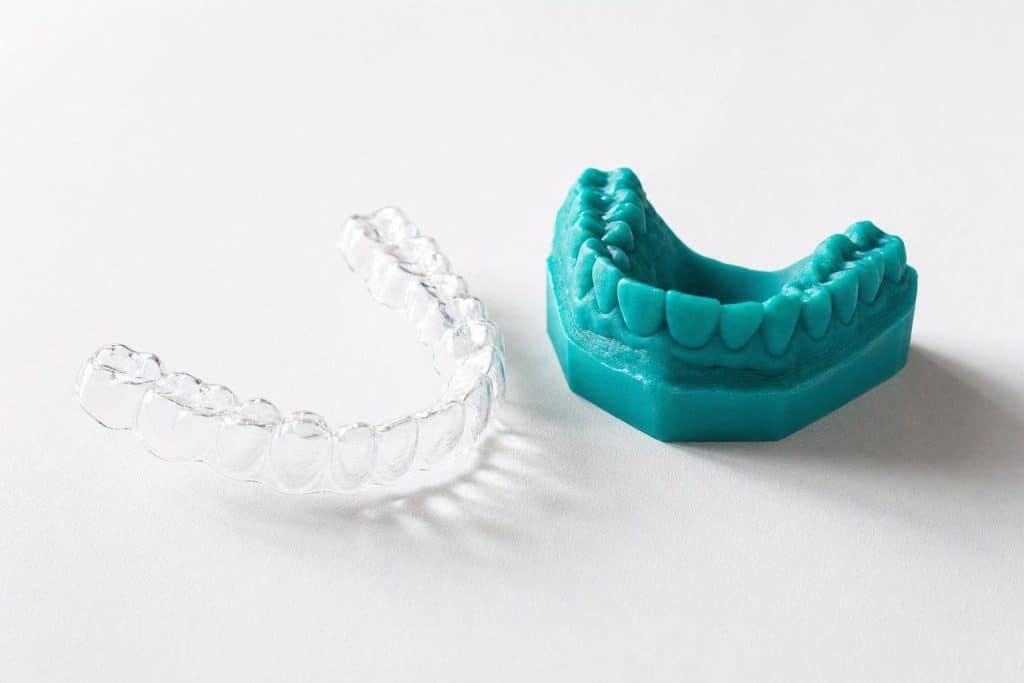
Clear aligners have revolutionized orthodontic treatment by harnessing modern technology for convenience and effectiveness. Advancements in digital imaging, monitoring, and remote consultations are shaping the future of teeth straightening. Patients now have access to personalized, flexible care, meeting the demands of today’s digital world.
The integration of clear aligners and modern technology is rapidly transforming orthodontic experiences. When searching for an orthodontist in Itasca, you will likely find practices utilizing digital solutions to enhance treatment accuracy, monitoring, and communication. This shift allows patients greater flexibility and involvement throughout the process. Understanding how technology and clear aligners work together can guide you in choosing the most suitable options for your orthodontic needs.
The impact of clear aligners on modern orthodontic care
Clear aligners represent a significant step forward in orthodontics, offering an alternative to traditional braces that is both discreet and removable. These aligners are custom-made using advanced digital scans and software, allowing for tailored treatment that fits comfortably and unobtrusively into daily routines.
Patients appreciate the freedom to remove aligners for meals and cleaning, contributing to overall oral hygiene. Alongside these conveniences, the use of digital modeling ensures each stage of tooth movement is precisely planned, improving predictability and patient satisfaction.
The technology behind clear aligners continues to evolve, with manufacturers developing stronger, more transparent materials that provide effective force while remaining virtually invisible. Three-dimensional treatment planning software allows orthodontists to simulate the entire treatment journey before it begins, showing patients a virtual preview of their expected results. This level of precision and visualization was unimaginable with traditional methods, giving both practitioners and patients confidence in the treatment plan. Additionally, the ability to manufacture multiple sets of aligners in advance means that treatment progresses smoothly with minimal interruptions, as patients simply move to the next set according to their prescribed schedule.
Remote consultations and digital monitoring for aligner therapy
Modern technology enables remote consultations, streamlining the start of treatment and reducing the need for frequent office visits. Patients can submit photos, dental records, and updates through secure portals, allowing orthodontists to assess progress and provide timely feedback.
Digital monitoring tools also track aligner fit and tooth movement, offering guidance between in-person check-ins. This not only increases convenience but also helps maintain clinical oversight even when patients are not physically present in the clinic.
Challenges and expectations in technology-driven orthodontics
While clear aligners and technology bring many benefits, they also present challenges. Remote monitoring may not suit complex cases where in-person assessments, imaging, or adjustments are necessary, so some scenarios require traditional approaches to ensure effective care.
Setting realistic expectations is important; technology can improve communication, comfort, and efficiency, but patient cooperation is essential for success. Regular virtual check-ins and accurate updates help orthodontists guide treatment, but direct care remains vital in cases of discomfort, damaged aligners, or unexpected concerns. The combination of clear aligners and digital tools continues to shape the evolution of orthodontic care, offering a blend of innovation and expert oversight.