


Core Pillars of Field Service Business Management
Effective field service business management hinges on several interconnected operational pillars. These are the fundamental processes that, when optimized, allow businesses to deliver exceptional service efficiently. Moving beyond outdated, manual methods is crucial in May 2026, as the industry demands speed, accuracy, and customer-centricity.
At its heart, FSM involves:
- Scheduling Optimization: This is about intelligently assigning the right technician with the right skills and tools to the right job at the optimal time, considering travel, urgency, and customer availability. Modern systems use advanced algorithms to minimize travel time and maximize technician utilization.
- Dispatching Efficiency: Beyond initial scheduling, efficient dispatching means adapting to real-time changes – emergencies, cancellations, or unexpected delays. It requires seamless communication between the office and field teams to re-route and re-assign tasks on the fly.
- Work Order Lifecycle Management: From initial creation to completion and invoicing, tracking every stage of a work order ensures accountability, proper documentation, and timely resolution. This includes capturing details, parts used, labor hours, and customer sign-offs.
- Inventory and Parts Tracking: Managing parts and equipment efficiently prevents costly delays. Knowing what’s in stock, where it’s located (warehouse or technician’s van), and when to reorder is vital for first-time fix rates and overall operational flow.
The contrast between traditional, paper-based operations and modern digital management platforms is stark. Manual systems often lead to misplaced paperwork, communication breakdowns, and significant administrative overhead. Digital platforms centralize information, automate tasks, and provide real-time insights, transforming operational efficiency.
Feature / Process Manual Paper-Based System Automated Digital Management Platform Scheduling Whiteboards, spreadsheets, phone calls; prone to errors AI-driven optimization, drag-and-drop interfaces Dispatching Manual calls, limited visibility of technician status Real-time GPS tracking, instant re-routing Work Orders Physical forms, manual data entry, slow processing Digital forms, automated updates, instant data capture Inventory Manual counts, stockouts, delays Real-time tracking, automated reorder points, van stock Customer Data Dispersed notes, limited history access Centralized profiles, comprehensive service history Reporting Time-consuming, retrospective, often inaccurate Real-time dashboards, predictive analytics Communication Phone calls, texts, fragmented Integrated chat, mobile apps, consistent messaging Productivity Lower, due to administrative burden and inefficiencies Higher, due to automation and streamlined workflows Operating Costs Higher, due to errors, fuel waste, and overtime Lower, through optimized routes and reduced admin time Customer Satisfaction Inconsistent, due to delays and lack of transparency Improved, with proactive updates and faster service Streamlining Customer Interactions via AI-enhanced contractor CRM
At the heart of any successful field service business is its relationship with its customers. Modern FSM solutions recognize this, integrating robust customer relationship management (CRM) functionalities directly into their platforms. This integration is particularly powerful when enhanced with artificial intelligence.
With an AI-enhanced contractor CRM, businesses can centralize all customer profiles, ensuring that every interaction, service history, and preference is recorded and easily accessible. This means technicians arriving on-site already have a comprehensive understanding of the customer’s past issues and equipment, leading to a more personalized and efficient service experience. Automated appointment reminders reduce no-shows, while real-time status updates keep customers informed about their technician’s arrival, fostering trust and transparency. This level of proactive communication, often missing in traditional models, significantly boosts customer satisfaction, as Gartner research indicates that only 13% of customers report receiving proactive support.
Logistics and Field service van management for On-Site Success
The efficiency of a field service operation extends directly to the organization and management of its mobile assets – primarily the service vans. Proper logistics and Field service van management are critical for ensuring technicians arrive prepared and can complete jobs efficiently.
This involves meticulous vehicle organization strategies, ensuring that tools, parts, and equipment are not only present but also easily accessible within the van. A well-organized van reduces the time technicians spend searching for items, contributing directly to faster job completion times. Furthermore, adherence to equipment safety compliance is paramount, protecting both technicians and customers. By optimizing the layout and inventory of each van, businesses can significantly reduce “windshield time” – the non-billable hours spent traveling or retrieving missing parts – through better inventory placement and management. This also includes robust fleet maintenance tracking, ensuring vehicles are always in optimal working condition, preventing breakdowns, and maintaining a professional image.
Maximizing Technician Performance through Mobile Connectivity
The modern field technician is a highly mobile professional, and equipping them with the right technology is paramount to maximizing their performance. Mobile connectivity transforms how technicians operate, providing them with unprecedented access to information and tools directly from the job site.
Mobile dashboards, often accessed via tablets or smartphones, display real-time technician GPS locations and job statuses, allowing dispatchers to make informed decisions and re-route as needed. For the technicians themselves, this means:
- Instant Communication Channels: Direct messaging and voice calls within the FSM app allow technicians to communicate seamlessly with dispatch, other technicians, or even customers, clarifying details or seeking assistance without delay.
- Remote Access to Technical Manuals and Knowledge Bases: No longer do technicians need to carry bulky binders. All necessary schematics, troubleshooting guides, and product specifications are available at their fingertips, enabling faster diagnostics and repairs.
- Offline Data Synchronization for Remote Areas: Recognizing that not all job sites have reliable internet access, robust FSM mobile apps offer offline capabilities. Technicians can complete work orders, capture data, and then sync it back to the main system once connectivity is restored, ensuring no data is lost.
- Digital Signature Capture: Customers can sign off on completed work directly on the technician’s device, streamlining the invoicing process and providing immediate proof of service.
- Photo Documentation for Quality Assurance: Technicians can take and attach photos of the job site, before and after work, or of specific issues, providing visual evidence for quality assurance, compliance, and customer records.
This mobile empowerment allows technicians to operate more autonomously and effectively, reducing their reliance on office support and significantly improving their productivity. Teams report 40% lower admin time and doubled productivity when modernizing FSM, a testament to the power of mobile-first solutions.
Emerging Trends Shaping the Future of the Industry
The field service industry is in a constant state of evolution, driven by technological advancements and shifting customer expectations. As we move through May 2026, several key trends are shaping the future of field service management, pushing businesses towards more intelligent, proactive, and interconnected operations.
- Predictive Maintenance Models: Moving beyond scheduled preventative maintenance, predictive models leverage data from IoT devices to anticipate equipment failures before they occur. This allows for proactive service, minimizing downtime and extending asset lifespan.
- Cloud-based Scalability: The flexibility and accessibility of cloud platforms are becoming non-negotiable. Cloud-based FSM solutions offer unparalleled scalability, allowing businesses to expand their operations without significant infrastructure investments and providing access to data from anywhere, anytime.
- Remote Diagnostics: Technicians can increasingly diagnose issues remotely, often before even dispatching a team. This reduces unnecessary truck rolls and ensures that when a technician is dispatched, they arrive with the right tools and parts for the job.
- 2026 Industry Benchmarks for Proactive Service: The industry standard for service is rapidly shifting towards proactive engagement. Businesses are now measured not just on their response time, but on their ability to anticipate needs and prevent problems, leading to higher customer satisfaction and loyalty.
- Augmented Reality (AR) for Troubleshooting: AR tools are beginning to empower technicians with visual overlays of equipment, guided repair steps, and remote expert assistance, reducing training time for new technicians and improving first-time fix rates.
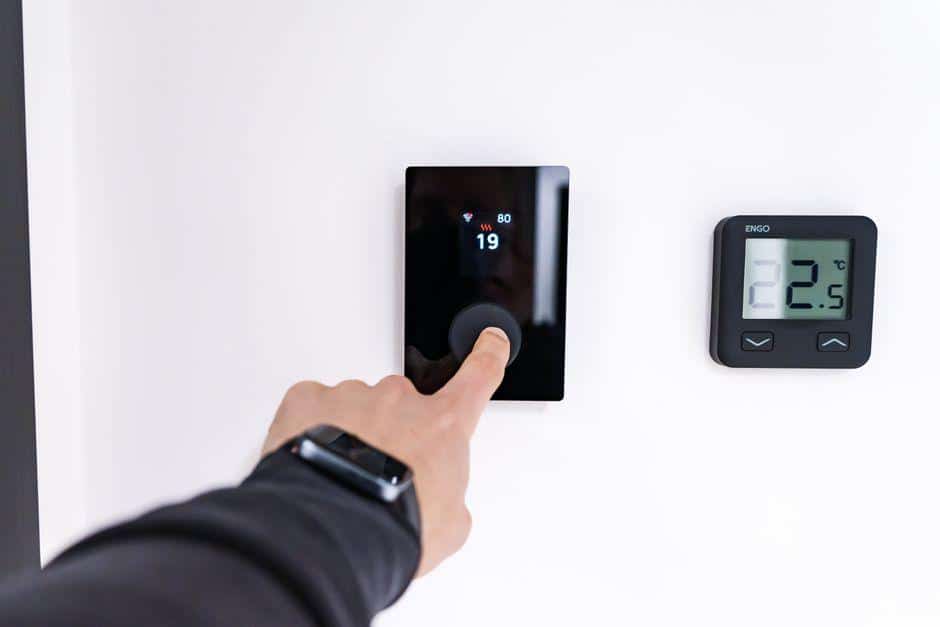
These trends collectively point towards a future where field service is less about reacting to problems and more about intelligently preventing them, optimizing resource utilization, and delivering an exceptional, seamless customer experience.
The Impact of Artificial Intelligence on Field Service Business Management
Artificial Intelligence (AI) is no longer a futuristic concept but a practical tool revolutionizing field service business management. Its ability to process vast amounts of data and identify patterns makes it invaluable for optimizing complex field operations.
- Smart Messaging Automation: AI-powered systems can handle routine customer inquiries, provide automated updates, and even respond to common questions, freeing up human agents for more complex issues. This ensures 24/7 customer engagement and faster response times.
- Call Sentiment Analysis: AI can analyze customer calls to gauge sentiment, identifying dissatisfied customers or urgent issues that require immediate attention. This allows businesses to be proactive in addressing potential problems and improving service recovery.
- Intelligent Route Optimization: Beyond simple GPS, AI considers real-time traffic, weather, technician skills, and job urgency to create the most efficient routes, minimizing travel time and fuel costs. This can lead to 10-20% lower operating costs for businesses that modernize their FSM.
- Skill-based Technician Assignment: AI algorithms can match specific job requirements with technician certifications, experience, and even customer preferences, ensuring the best possible fit for every service call. This improves first-time fix rates and overall service quality.
- Improving First-Time Fix Rates through Data Insights: By analyzing historical data on repairs, equipment types, and technician performance, AI can provide predictive insights, suggesting necessary parts or troubleshooting steps, significantly increasing the likelihood of resolving an issue on the first visit.
Integrating IoT for Proactive Field Service Business Management
The Internet of Things (IoT) is fundamentally changing the landscape of field service by connecting equipment and assets, enabling a shift from reactive repairs to proactive and even predictive service.
- Connected Asset Monitoring: IoT sensors embedded in equipment transmit real-time performance data, allowing businesses to monitor the health and status of assets remotely. This constant stream of data provides invaluable insights into operational patterns and potential issues.
- Automated Alert Triggers: When sensor data indicates a deviation from normal operating parameters or a potential fault, the IoT system can automatically trigger alerts within the FSM platform. This initiates a service workflow, often before the customer even realizes there’s a problem.
- Reducing Mean Time To Repair (MTTR): With early detection and precise diagnostic data from IoT, technicians arrive on-site with a clear understanding of the issue and often the exact parts needed, drastically reducing the time it takes to diagnose and repair equipment.
- Real-time Equipment Health Data: This data provides a comprehensive overview of an asset’s performance history, enabling more informed decisions about maintenance schedules, upgrades, and replacements.
- Shifting from Reactive to Preventative Service Models: The ultimate goal of IoT integration is to move away from waiting for equipment to break down. Instead, businesses can schedule maintenance based on actual usage and condition, extending asset life, improving reliability, and enhancing customer satisfaction. This proactive approach is a significant competitive differentiator in May 2026.
Frequently Asked Questions about Field Operations
Field operations present a unique set of challenges compared to traditional office-based work. Businesses often grapple with issues related to coordination, communication, and resource allocation. Here, we address some common questions that arise in managing these dynamic environments.
Some common operational challenges include: managing technician schedules across vast geographical areas, ensuring accurate inventory for each job, maintaining consistent communication between field and office, and tracking job progress in real-time. Software integration benefits are key to overcoming these, as unified systems reduce manual errors and provide a single source of truth. Technician accountability is also a frequent concern, which modern FSM tools address through GPS tracking, digital work orders, and performance metrics.
How does real-time tracking improve customer satisfaction?
Real-time tracking is a game-changer for customer satisfaction in field service. It provides unprecedented transparency and predictability, addressing common customer frustrations like uncertainty about technician arrival times.
- GPS Visibility: Customers can often view their technician’s location on a map, similar to ride-sharing apps, giving them a clear understanding of when to expect service.
- Accurate Arrival Windows: Instead of vague “morning or afternoon” slots, businesses can provide precise arrival windows, or even real-time estimated times of arrival (ETAs), based on the technician’s current location and schedule.
- Proactive Delay Notifications: If a technician is unexpectedly delayed, the system can automatically send notifications to the customer, managing expectations and preventing frustration. This proactive communication is highly valued.
- Increased Trust through Transparency: Knowing exactly where their service professional is and when they will arrive builds trust and confidence in the service provider. It shows respect for the customer’s time and reduces anxiety.
This level of transparency, facilitated by FSM software, directly contributes to a superior customer experience, which is crucial for retaining clients and generating positive referrals.
What are the benefits of integrating FSM with existing business systems?
Integrating FSM software with other business systems like CRM, ERP, and accounting tools creates a powerful, cohesive operational ecosystem. This interconnectedness eliminates data silos and streamlines workflows across the entire organization.
- Data Consistency and Accuracy: Integration ensures that customer information, service histories, invoicing details, and inventory levels are consistent across all platforms. This reduces the risk of errors from manual data entry and ensures everyone is working with the most up-to-date information.
- Reduced Administrative Double-Entry: When FSM is integrated with accounting software, for example, completed work orders can automatically generate invoices, and payments can be recorded without manual re-entry. This saves significant administrative time and effort.
- Seamless Flow Between CRM and Accounting: A service call initiated in CRM can automatically create a work order in FSM, which then flows to invoicing in the accounting system. This end-to-end automation accelerates the entire service-to-cash cycle.
- Enterprise-Wide Visibility: Integrated systems provide a holistic view of operations, from initial customer contact to service delivery and financial reconciliation. This allows management to make more informed decisions, identify bottlenecks, and optimize resource allocation across the business.
This level of integration is essential for businesses seeking to scale efficiently and maintain a competitive edge in May 2026.
Why is mobile access critical for modern field technicians?
Mobile access isn’t just a convenience for field technicians; it’s a fundamental requirement for modern field service efficiency. It empowers them to perform their duties effectively and adapt to dynamic situations without being tethered to an office.
- On-the-Go Schedule Adjustments: Technicians can view their updated schedules in real-time, accept new jobs, or re-prioritize tasks directly from their mobile device, allowing dispatchers to dynamically manage workloads.
- Immediate Access to Asset History and Customer Information: Before even approaching a piece of equipment, technicians can pull up its full service history, warranty information, and any specific customer notes. This ensures they are fully prepared and can offer more informed solutions.
- Faster Job Completion and First-Time Fix Rates: With all necessary information and tools accessible via mobile, technicians can diagnose problems more quickly, access parts inventory, and complete repairs efficiently, leading to higher first-time fix rates.
- Reduced Reliance on Office Support: Mobile tools enable technicians to self-serve for most information needs, reducing calls to the office and allowing office staff to focus on higher-level tasks. This creates a more autonomous and efficient field team.
Mobile access transforms a technician from a reactive problem-solver into a proactive, informed, and highly efficient service professional.
Conclusion
In the dynamic landscape of May 2026, embracing sophisticated field service business management strategies is not merely an option but a strategic imperative. We’ve explored how moving beyond traditional, fragmented approaches to integrated, digital solutions can unlock unparalleled operational excellence. From optimizing scheduling and dispatching to empowering technicians with mobile connectivity and leveraging cutting-edge trends like AI and IoT, the path to success is clear.
Businesses that invest in robust FSM software and practices gain significant advantages: enhanced productivity, substantial cost savings, and dramatically improved customer satisfaction. The statistics speak for themselves: teams report 40% lower admin time, doubled productivity, and 10–20% lower operating costs when modernizing FSM. This efficiency translates directly into scalability, enabling multi-truck operations to expand seamlessly and maintain consistent service quality across all teams.
Technology serves as a powerful competitive advantage. By adopting these advanced management techniques, field service businesses are not just adapting to 2026 market demands; they are shaping the future of service delivery. The goal is to foster a high-performing service team that collaborates effortlessly, delivers exceptional value, and drives long-term business growth.