

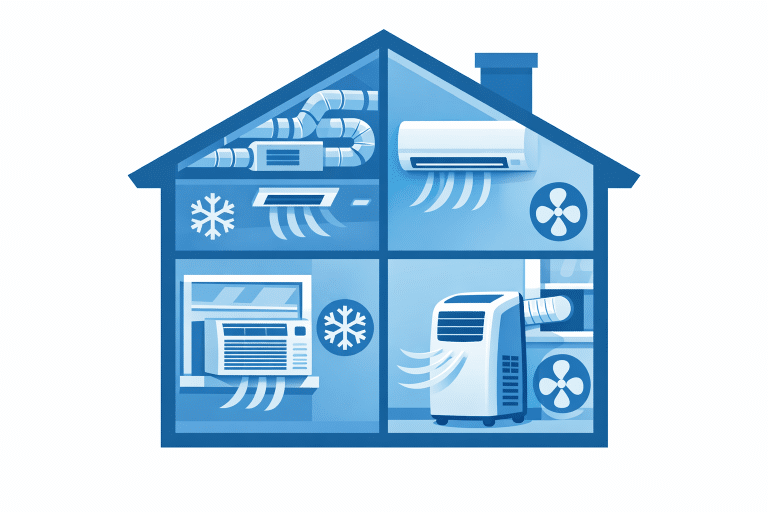
Key Takeaways
- Evaluate your home’s size, layout, and insulation for accurate cooling requirements.
- Match the type of air conditioner to your living space and needs.
- Prioritize energy efficiency for both cost savings and environmental benefits.
- Consider adding extra features, such as noise control and smart functions, for added convenience.
Choosing the best way to cool your home in summer is one of the most important steps to achieving year-round comfort. With so many air conditioning systems on the market, weighing your options is often overwhelming. Fortunately, there are straightforward ways to assess your needs and identify the perfect solution. Whether you are looking for a comprehensive system for your whole home or a single-room solution, starting with expert air conditioner installation in Markham can ensure your home stays cool and energy-efficient throughout the hottest months.
Understanding the basics of sizing, system types, and efficiency can simplify your buying process. The right fit can help you avoid uneven temperature zones, high bills, or unnecessary repair costs. With informed choices, you can tailor your cooling system for both comfort and savings.
Understanding Your Cooling Requirements
Proper air conditioner selection starts with an accurate assessment of your home’s cooling demands. Begin by considering your total square footage, ceiling heights, and insulation quality. Homes with large windows or rooms facing direct sunlight often need a more powerful system compared to homes that are well shaded. Assess whether certain areas of your house, such as attics or additions, may require special cooling considerations that could influence the type of air conditioner you choose.
Insufficient sizing is one of the most common mistakes homeowners make. Installing a system that is too small can lead to poor cooling performance and increased energy consumption as the unit struggles to keep up. Conversely, an oversized unit will cycle on and off frequently, reducing efficiency and leaving humidity problems unresolved.
Types of Air Conditioners
There are several main categories of air conditioning systems, and each serves a different set of needs and home layouts.
Central Air Conditioning
Central air conditioners are designed to cool entire homes via an extensive network of ducts. These systems are best suited for larger homes that already have ductwork. They provide even cooling throughout the home and can be integrated with smart thermostats for added control. However, they require a more substantial initial investment in both equipment and installation.
Ductless Mini-Split Systems
For homes without existing ductwork, ductless mini-split systems are an efficient and flexible solution. These systems use an outdoor compressor paired with one or more indoor air handling units. They are ideal for additions, individual rooms, or homes divided into multiple zones. While installation is typically simpler than central air, the initial cost per room is higher than with window units.
Window Units
Window air conditioners offer a convenient, budget-friendly option for cooling single rooms. They can be installed by most homeowners, making them popular for apartments or smaller spaces. However, they may obstruct windows and are generally less efficient than whole-home cooling solutions. Maintenance and cleaning are key to optimal performance.
Portable Air Conditioners
Portable units are versatile, providing temporary cooling while allowing easy movement from one space to another. These models require venting through a nearby window, but installation is simpler than with other options. While convenient, they can be noisier and less efficient, making them suitable only for occasional use or for areas where permanent installation is impractical.
Energy Efficiency Considerations
Energy efficiency is crucial when selecting an air conditioning system. Not only does it translate to lower utility bills, but it also minimizes environmental impact. Look for systems with a high Seasonal Energy Efficiency Ratio (SEER) rating, as these models are designed to deliver maximum output with minimum input. Many modern units even use inverter technology, adjusting their cooling capacity to match current demand, resulting in quieter, more efficient operation.
Additional Features to Consider
Modern air conditioners come equipped with a variety of additional features that enhance convenience and comfort. Smart controls enable remote adjustment of settings via an app or integration with home automation systems, optimizing energy usage. For restful sleep or focused work, check the unit’s decibel rating to choose quieter models, especially in bedrooms or studies. Some units also feature built-in air purifiers or dehumidifiers that can improve overall indoor air quality by eliminating allergens, reducing humidity, and making your home healthier.
Installation and Maintenance
Professional installation is the surest way to maximize your new system’s performance and longevity. Certified technicians are well-versed in managing ductwork, electrical connections, and optimal unit placement. After installation, regular maintenance, such as filter cleaning, refrigerant checks, and system inspections, can prevent breakdowns and maintain high efficiency. Homeowners can reference external guides, like this Consumer Reports air conditioner buying guide, for additional tips on long-term care and troubleshooting.
Budget Considerations
Upfront cost is not the only factor to weigh when making your selection. Although more efficient, advanced systems tend to require a greater initial investment, they can deliver significant long-term savings due to lower energy consumption and better durability. Be sure to research any available rebates or incentive programs in your area for energy-efficient appliances, as they can significantly offset costs. Consulting an HVAC professional can help you find the best balance of price, performance, and features.
Conclusion
The best air conditioner for your home aligns with your specific cooling needs, budget, and preferences for convenience and comfort. By understanding your home’s layout, researching system types, prioritizing energy efficiency, and considering extras such as smart features or quiet operation, you can select a solution that delivers reliable comfort for years to come.