

The Architectural Legacy of Historic Apartment Living
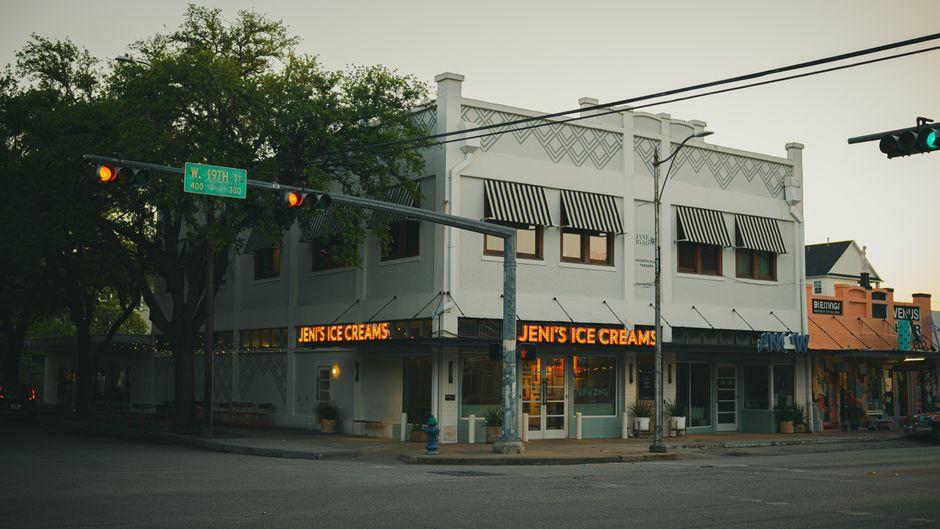
The North Loop of Minneapolis is a vibrant district where history meets contemporary life. We often see how old industrial buildings are given new purpose, creating dynamic spaces for businesses and residents alike. This blend of past and present is especially sweet when we explore the thriving Ice Cream North Loop scene.
This neighborhood, known for its beautifully preserved architecture—much like the area’s Historic North Loop Lofts—has become a hub for unique frozen treats. We will delve into the diverse ice cream shops that call this revitalized urban area home. Our goal is to highlight what makes these establishments stand out, from their innovative flavors and dietary options to their contributions to the local community. Join us as we uncover the delightful world of ice cream in the heart of Minneapolis’s historic North Loop.
The North Loop’s distinctive character is deeply rooted in its past as Minneapolis’s industrial and warehouse district. Walking through the neighborhood today, one is immediately struck by the robust, turn-of-the-century brick buildings, once bustling with the trade of goods and the hum of machinery. These structures, many of which date back to the late 1800s, tell a story of urban development and economic growth. However, rather than succumbing to disuse or demolition, many of these architectural gems have found a second life through adaptive reuse, transforming into highly sought-after residential and commercial spaces.
This revitalization effort has been instrumental in shaping the modern North Loop. Developers and architects have meticulously worked to preserve the authentic industrial aesthetic while integrating the comforts and conveniences of twenty-first-century living. The result is a unique urban environment where the echoes of history resonate with contemporary design and functionality. For instance, many of the residential properties, often referred to as lofts, proudly showcase their original features. We find exposed brick walls, massive timber beams, and soaring high ceilings that speak to their industrial heritage. Large windows, once designed to maximize natural light for factory workers, now flood living spaces with sunlight, offering expansive views of the cityscape. These elements combine to create living environments that are not just apartments, but unique homes with character and a narrative. The dedication to preserving this architectural legacy is a cornerstone of the North Loop’s appeal, drawing individuals who appreciate the blend of historical charm and modern urban living. Exploring the rich history and modern transformations of these properties, such as the Historic North Loop Lofts, offers a deeper appreciation for the neighborhood’s evolution.
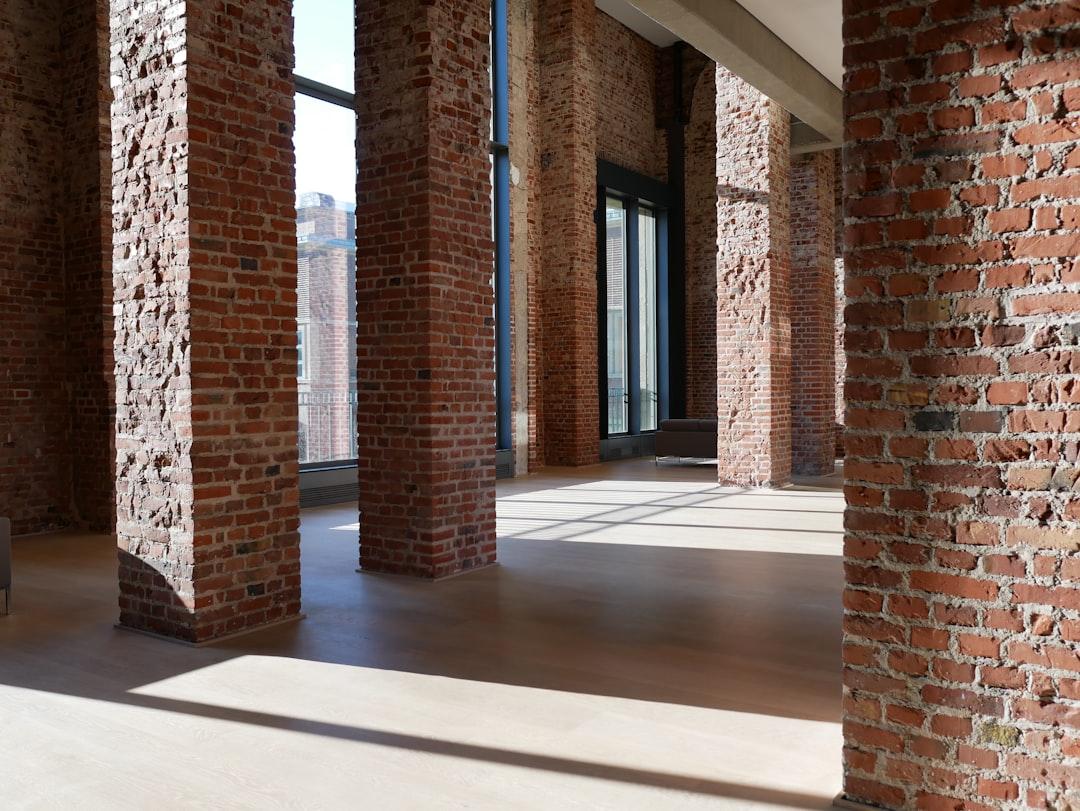
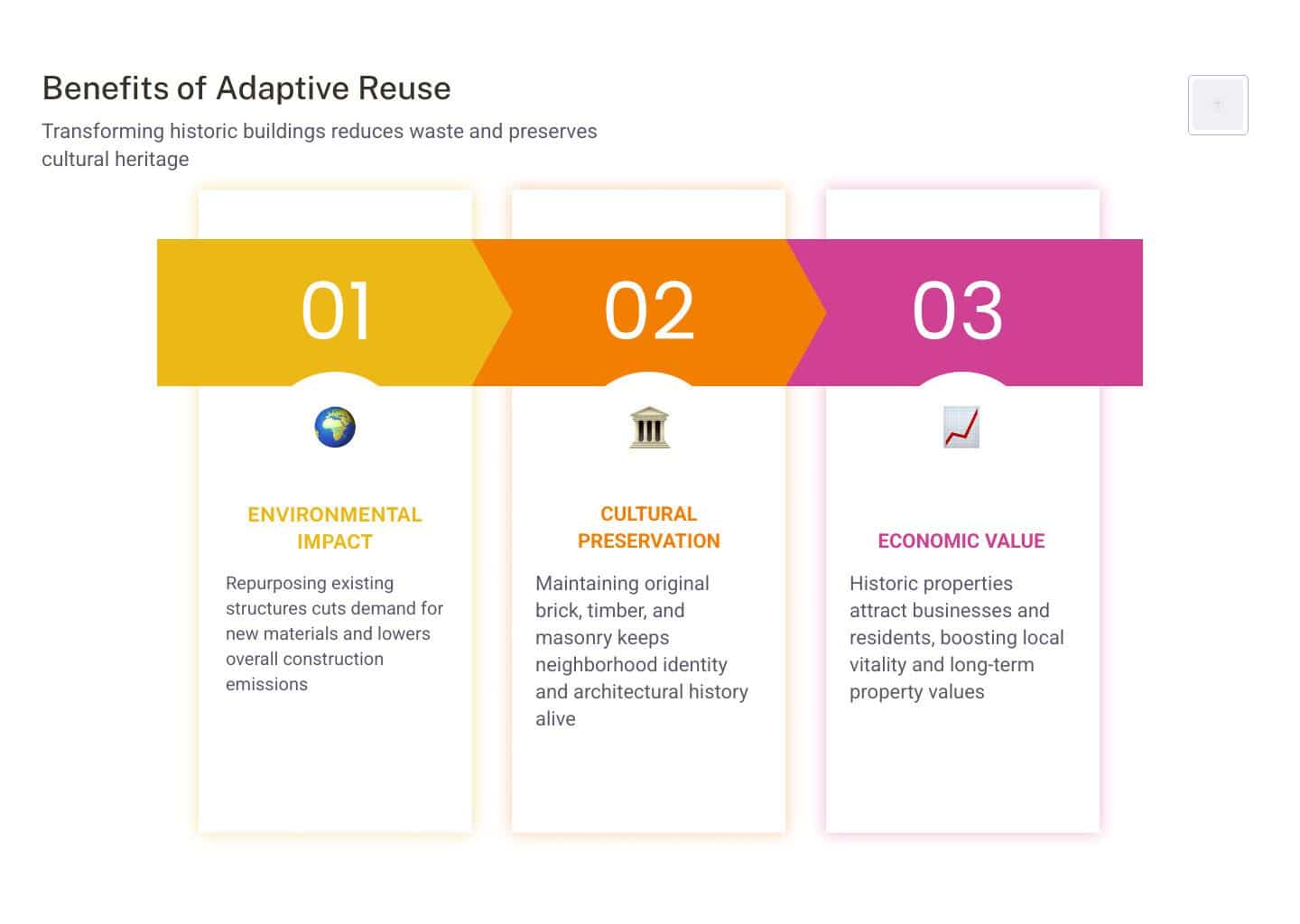
The adaptive reuse of these historic structures also brings significant benefits to urban planning and sustainability. By repurposing existing buildings, we reduce the demand for new construction, which in turn minimizes environmental impact and preserves the urban fabric. This approach fosters a sense of continuity and identity within the community, preventing the loss of valuable cultural heritage. It’s a testament to thoughtful urban development that values both the past and the future.
Preserving Character in Historic Apartment Living
The commitment to preserving the original character of North Loop’s historic buildings is evident in every detail of their transformation. When these former warehouses and factories are converted into modern living spaces, great care is taken to maintain their authentic materials and structural integrity. The robust timber framing, often massive and rough-hewn, is not merely decorative but a vital part of the building’s historical and structural narrative. Similarly, the original masonry, with its unique textures and patterns, is meticulously restored rather than covered, celebrating the craftsmanship of a bygone era.
This process goes beyond mere aesthetic appeal; it is a form of architectural storytelling. Each exposed brick, every visible timber beam, and the very layout of the spaces contribute to a sense of place and history that modern, purpose-built structures simply cannot replicate. Period-accurate restoration techniques are often employed to ensure that any necessary repairs or additions blend seamlessly with the existing architecture. This dedication ensures that residents experience living within a piece of Minneapolis history, where the past is not just remembered but actively integrated into their daily lives. The preservation efforts contribute significantly to the unique ambiance of the North Loop, making it a distinctive and desirable urban neighborhood.
Modern Amenities within Historic Apartment Living
While the North Loop’s historic buildings proudly display their architectural legacy, they are far from stuck in the past. The revitalization projects have skillfully integrated an array of modern amenities, ensuring that residents enjoy contemporary comfort and convenience alongside historical charm. This thoughtful combination creates a living experience that is both unique and highly functional.
For instance, many loft conversions now feature luxurious rooftop patios, offering residents panoramic views of the city skyline and the Mississippi River, perfect for social gatherings or quiet contemplation. Fitness centers equipped with state-of-the-art equipment are common, providing easy access to health and wellness facilities without leaving home. Recognizing the importance of furry companions in urban living, many properties in the North Loop are pet-friendly, often accommodating a two-pet limit and providing dedicated spaces for pets.
Indoor parking facilities address a common urban challenge, offering secure and convenient vehicle storage. Furthermore, smart home integration, including features like smart thermostats and keyless entry systems, brings cutting-edge technology into these historic settings. Community lounges and co-working spaces foster a sense of neighborhood within the buildings, encouraging social interaction and providing flexible work environments. The blend of these modern upgrades with the inherent charm of historic features is a hallmark of North Loop living.
Here’s a conceptual overview of how historic features and modern upgrades are balanced:
Historic Feature Modern Functional Upgrade Exposed Brick Walls Soundproofing, integrated shelving Original Timber Beams Aesthetic accent, structural integrity maintained Large Industrial Windows Energy-efficient glazing, panoramic views Open Warehouse Layouts Flexible living spaces, modern kitchen/bath integration Historic Building Facades Enhanced curb appeal, architectural preservation Modern Amenity Benefit to Resident Rooftop Patios Outdoor relaxation, city views, social space State-of-the-Art Fitness Centers Convenient health and wellness Pet-Friendly Policies Accommodates pets, community for pet owners Indoor Parking Security, convenience, protection from elements Smart Home Technology Enhanced convenience, security, energy efficiency Community Lounges Social interaction, extended living space Artisanal Commerce in Repurposed Urban Hubs
The North Loop’s transformation isn’t limited to residential spaces; its historic storefronts and industrial ground floors have become vibrant homes for artisanal commerce, particularly within the culinary scene. Among the diverse array of eateries, the Ice Cream North Loop establishments stand out as prime examples of how local businesses thrive by offering unique products in character-rich environments. These ice cream shops often occupy beautifully repurposed spaces, blending their modern, inviting interiors with the rustic charm of exposed brick and original architectural details.
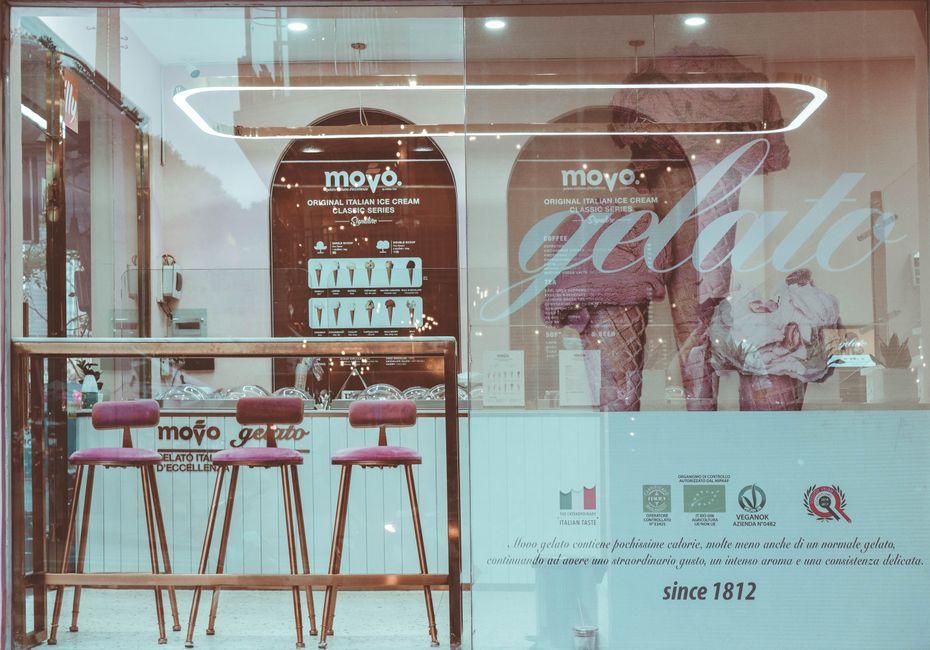
This district has cultivated a reputation for innovative dining, and its ice cream parlors are no exception. From cereal-infused concoctions that evoke childhood memories to sophisticated, chef-driven flavors, the North Loop offers a frozen treat experience unlike any other. These businesses are not just serving ice cream; they are contributing to the neighborhood’s identity as a hub for quality, creativity, and community engagement. For a comprehensive look at the vibrant dining landscape, including these sweet spots, exploring the broader North Loop Minneapolis Restaurants reveals the depth of culinary talent in the area.
One notable addition to the North Loop’s sweet scene is Treats, which opened its doors in March 2026. This shop specializes in cereal-infused ice cream, offering a nostalgic twist by blending childhood breakfast favorites like Lucky Charms or Cocoa Pebbles directly into their creamy bases. The concept is to deliver the familiar taste of cereal in milk, but with the rich texture of ice cream, often complemented by waffles and boba teas. Treats’ decision to open in the North Loop was driven by customer demand, reflecting the neighborhood’s appeal to innovative businesses.
Another beloved spot, though located in Northeast Minneapolis but brought to us by chef-owners with deep roots in the local culinary scene, is Dream Creamery. Known for its handmade ice cream, Dream Creamery prides itself on flavors that range from reimagined classics to unique combinations inspired by years of kitchen experience. Their philosophy emphasizes premium ice cream created with thoughtfully sourced ingredients, ensuring a high-quality experience for every customer.
Fletcher’s Ice Cream & Cafe, situated nearby on E Hennepin Ave, offers a cozy atmosphere where patrons can enjoy homestyle ice cream, locally roasted coffee from Up Coffee Roasters, and pastries. They frequently collaborate with other local businesses, such as Vikings & Goddesses Pie Company, to offer unique seasonal items. Fletcher’s commitment to community is also evident in their active participation in local “Best Of” awards, encouraging customers to vote for their favorites.
Milkjam Creamery, while primarily known in Uptown Minneapolis, contributes to the broader artisanal ice cream landscape with its innovative and “titillating” flavors. Created by chef Sameh Wadi, Milkjam is celebrated for its unique flavor profiles, including a popular “Nostalgia” series that recreates childhood treats in ice cream form.
Minnesota Nice Cream, with a location in Northeast Minneapolis, further enriches the local ice cream scene. They are particularly recognized for their soft serve, unique toppings, and strong emphasis on dietary inclusivity, making their treats accessible to a wider audience.
Unique Culinary Offerings and Dietary Inclusivity
The ice cream shops in the North Loop and surrounding Minneapolis areas are not just scooping traditional flavors; they are pushing culinary boundaries and prioritizing dietary inclusivity. This commitment ensures that a wide array of customers can indulge in delicious frozen treats, regardless of their dietary needs or preferences.
For those seeking plant-based options, vegan ice cream is a prominent feature. Many establishments, like Minnesota Nice Cream, offer vegan flavors made with oat milk, providing a creamy and satisfying alternative to dairy. Fletcher’s Ice Cream & Cafe also ensures a selection of non-dairy options, reflecting a broader trend towards accommodating diverse diets. These vegan varieties are often crafted with as much care and creativity as their dairy counterparts, ensuring no compromise on flavor or texture.
Gluten-free varieties are also widely available, with many shops ensuring that their ice cream bases and a selection of toppings are free from gluten. Minnesota Nice Cream goes a step further, proudly stating that all their ice cream is free from gluten, eggs, and nuts, making it a safe haven for those with multiple allergies. This dedication to allergen awareness is a significant draw for many customers. Lactose-free soft serve is another innovative offering, allowing individuals with lactose intolerance to enjoy a classic ice cream experience without discomfort.
Beyond dietary accommodations, the flavor profiles themselves are remarkably innovative. Treats, for example, captivates customers with its cereal-infused ice cream, transforming breakfast favorites into dessert sensations. Imagine the crunch of Lucky Charms or the chocolatey notes of Cocoa Pebbles blended into a creamy scoop. Fletcher’s Ice Cream & Cafe explores unique cultural flavors, such as ube (purple yam) in Vietnamese-style coffee iced drinks and matcha infusions in their ice cream, offering a taste of global culinary trends. Their seasonal offerings often reflect local produce and cultural events, like their Lemon Rhubarb with Poppy Seed Danish.
Milkjam Creamery is renowned for its “Nostalgia” series, which reimagines classic childhood treats into sophisticated ice cream flavors. This creative approach allows customers to relive cherished memories through taste, with inventive combinations that surprise and delight. Additionally, many shops offer unique pairings and creations, such as ice cream sandwiches made with homemade cookies, waffles served with generous scoops of ice cream, and the integration of boba teas alongside frozen desserts, creating a comprehensive and exciting dessert destination.
Business Operations in Historic Districts
Operating an artisanal ice cream shop within a historic district like the North Loop involves a unique blend of tradition and modern business practices. These establishments are not merely places to grab a quick treat; they are integral parts of the community’s economic and social fabric, adapting their operations to serve a diverse urban clientele.
One key aspect is their operating hours, which often cater to the dynamic rhythm of the North Loop. While some cafes, like Fletcher’s Ice Cream & Cafe, open as early as 6 AM to serve coffee and breakfast items alongside their ice cream, many shops maintain late-night service, especially during warmer months. Milkjam Creamery, for instance, extends its summer hours until 10 PM daily, recognizing the demand for evening treats in a bustling neighborhood. These extended hours ensure that residents and visitors can enjoy their offerings throughout the day, from early morning coffee runs to late-night dessert cravings.
To facilitate convenient transactions, most ice cream shops in the North Loop embrace modern payment options. We find widespread acceptance of digital wallets like Apple Pay and Google Pay, alongside major credit cards such as Visa, Mastercard, American Express, and Discover. Some even offer alternative payment solutions like CashApp or Afterpay, catering to a broad spectrum of customer preferences. This flexibility in payment methods enhances the customer experience and streamlines service.
Loyalty programs are another popular feature, designed to reward repeat customers and foster a sense of community. These programs often provide special offers, discounts, or free items after a certain number of purchases, encouraging patrons to return and explore new flavors. Gift cards, both physical and digital, are also commonly available, offering a convenient way for customers to share the joy of their favorite ice cream with others.
Catering services are a significant part of the business model for several North Loop ice cream purveyors. Minnesota Nice Cream, for example, offers ice cream sandwich catering with homemade cookies and a variety of fillings, including vegan options. They even provide an ice cream truck for corporate events, weddings, and neighborhood gatherings, bringing their sweet treats directly to special occasions. These catering options not only expand their reach but also contribute to the vibrant event scene in Minneapolis.
By offering diverse products, accommodating various dietary needs, and implementing customer-centric operational strategies, these ice cream shops significantly contribute to the local economy. They create jobs, draw foot traffic to the area, and enhance the overall appeal of the North Loop as a destination for both residents and tourists. Their success is intertwined with the neighborhood’s vitality, making them sweet cornerstones of this historic urban hub.
Lifestyle Integration and Community Connectivity
The North Loop’s appeal extends far beyond its historic architecture and diverse culinary scene; it embodies a lifestyle of integration and connectivity. This neighborhood is designed for living, working, and playing, with every element contributing to a vibrant urban experience. The presence of artisanal ice cream shops further enhances this lifestyle, offering delightful destinations within a highly walkable and accessible environment.
Walkability is a cornerstone of the North Loop’s charm. Residents and visitors can easily stroll from their homes or offices to boutique retail stores, art galleries, and, of course, their favorite ice cream parlors. The streets are alive with activity, fostering a strong sense of community and encouraging outdoor engagement. This pedestrian-friendly design is complemented by excellent public transportation options, including light rail and bus routes, making it easy to navigate Minneapolis without a car. For those who prefer micro-mobility, electric scooters are a popular choice, with local regulations in place to ensure safe and orderly use. The proximity to major attractions like Target Field, home of the Minnesota Twins, adds to the dynamic atmosphere, especially during baseball season.
Local amenities are abundant, ranging from the Minneapolis Farmers Market, which provides fresh produce and artisanal goods, to a variety of unique shops. For instance, Story & Teller, an artisan home and lifestyle boutique, adds to the eclectic retail landscape, offering curated goods that reflect the neighborhood’s sophisticated taste. These businesses, including the ice cream shops, are more than just commercial entities; they are gathering places that foster social connections and contribute to the rich tapestry of daily life in the North Loop. Understanding the broader context of this vibrant area, including its community resources and attractions, can be further explored through resources like the Neighborhood guide.
Sustainable Urbanism and Historic Apartment Living
The revitalization of the North Loop is a prime example of sustainable urbanism, where historic preservation and modern development converge to create an environmentally conscious and community-focused district. This approach significantly contributes to a reduced carbon footprint, as repurposing existing structures is inherently more sustainable than new construction. By choosing to live in or frequent businesses within these adaptively reused buildings, we are actively participating in a greener urban future.
Transit-oriented development is another key aspect of the North Loop’s sustainability. Its excellent public transportation infrastructure encourages residents to rely less on private vehicles, reducing traffic congestion and emissions. The high walkability of the neighborhood further promotes active lifestyles and minimizes the need for car travel for daily errands or leisure.
Many of the artisanal businesses in the North Loop, including its ice cream shops, embrace local sourcing and eco-friendly practices. Fletcher’s Ice Cream & Cafe, for example, uses locally roasted coffee, supporting other local businesses and reducing transportation emissions. While specific details on every shop’s sourcing practices might vary, the general ethos of the North Loop community leans towards supporting local producers and sustainable operations. Some businesses also make efforts to use eco-friendly packaging, minimizing waste and promoting responsible consumption.
Community engagement is deeply embedded in the North Loop’s identity. Active neighborhood associations work to maintain the area’s charm, advocate for its residents, and organize events that foster a strong sense of belonging. This collective spirit, combined with the benefits of urban density, creates a vibrant, resilient, and sustainable environment. The ice cream shops, by providing gathering spots and contributing to the local economy, play a small but significant role in reinforcing this community fabric, making the North Loop a model for contemporary, sustainable urban living.
Frequently Asked Questions about North Loop Living
What are the most popular artisanal treats found in the North Loop?
The North Loop’s ice cream scene is known for its creativity and unique offerings. Cereal-infused ice cream, a specialty offered by shops like Treats, is highly sought after, featuring childhood favorites such as Lucky Charms or Cocoa Pebbles blended into creamy bases. Other popular choices include culturally inspired flavors like ube (purple yam) in Vietnamese-style coffee drinks and rich matcha infusions, often found at cafes like Fletcher’s. Additionally, seasonal “nostalgia” series, which reimagine classic flavor combinations, are a hit among those looking for a delightful trip down memory lane. Many shops also offer unique pairings, such as ice cream served with freshly made waffles or integrated into boba teas.
How do historic buildings accommodate modern dietary needs?
Historic buildings in the North Loop, now home to modern ice cream shops, seamlessly integrate contemporary dietary accommodations. Local vendors within these charming, repurposed spaces prioritize inclusivity by offering extensive vegan, gluten-free, and lactose-free options. For instance, many shops, including Minnesota Nice Cream, utilize oat milk or coconut cream bases to create rich and flavorful vegan ice creams. These establishments also often provide lactose-free soft serve and ensure a selection of gluten-free ice cream bases and toppings. Some even go further to offer nut-free and egg-free options, ensuring that high-quality desserts are accessible to individuals with various dietary restrictions and allergies, all while operating within the unique architectural settings of the district.
What transportation options serve the historic Warehouse District?
The historic Warehouse District, encompassing the North Loop, is exceptionally well-served by a variety of transportation options, making it highly accessible and reducing the reliance on private vehicles. The area benefits from robust public transit, including several light rail stations and numerous bus routes that connect residents and visitors to downtown Minneapolis and beyond. Furthermore, the North Loop is renowned for its walkability, with pedestrian-friendly streets and sidewalks that encourage strolling to local businesses, parks, and attractions. For those seeking alternative modes of transport, micro-mobility options such as electric scooters are widely available, with specific local guidelines in place to ensure their safe and orderly use throughout the neighborhood. This integrated approach to transportation enhances the overall lifestyle and convenience of living and visiting the North Loop.
Conclusion
The North Loop of Minneapolis stands as a shining example of urban evolution, where the industrial might of the past has been gracefully transformed into a vibrant, contemporary urban center. This journey of revitalization is a testament to the power of cultural preservation, breathing new life into historic structures while ensuring they meet the demands of modern living. From the meticulously restored Historic North Loop Lofts that blend architectural heritage with contemporary functionality, to the thriving artisanal ice cream shops that offer innovative flavors and cater to diverse dietary needs, every element contributes to a unique urban tapestry.
This district’s commitment to sustainable growth is evident in its adaptive reuse projects, its emphasis on walkability and public transportation, and the local sourcing practices of its businesses. The North Loop is more than just a collection of buildings; it is a dynamic community where history informs the present, and innovation shapes the future. As we continue to explore and enjoy the sweet delights and rich character of the Ice Cream North Loop scene, we are reminded of the profound potential that lies in revitalizing our urban spaces, creating environments that are both economically prosperous and deeply connected to their past. The vitality of the North Loop points towards an exciting future for urban living, where charm, convenience, and community flourish in harmony.