

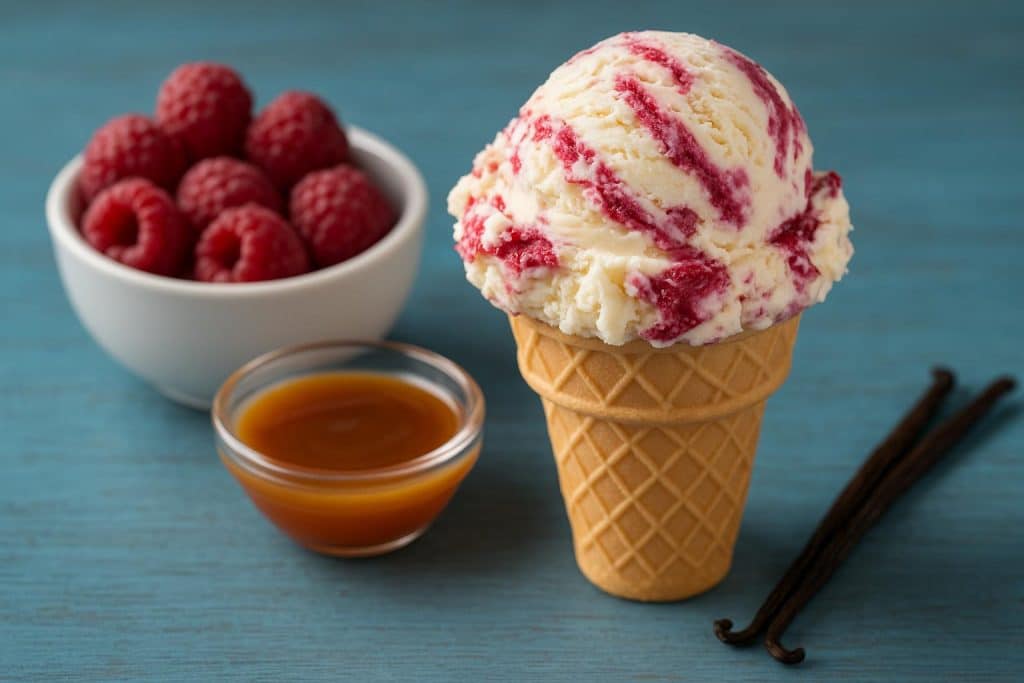
The frozen dessert category rewards precision. Consumers today are more discerning than previous generations, and a product’s flavor profile often decides whether it earns a place in a regular shopping cart or gets quietly passed over. Strong packaging and competitive pricing can open doors, but neither substitutes for the one thing customers come back for: taste. Brands that treat flavor quality as a foundational investment rather than a finishing touch are the ones that tend to build lasting demand.
Flavor is what a customer remembers after the packaging is gone.
Most successful frozen dessert formulations trace their consistency back to ingredient sourcing. Professionally developed concentrates give producers a measurable advantage in batch reliability. Producers actively exploring ice cream flavoring for sale will find that commercial-grade concentrates deliver far more predictable results than improvised raw ingredient substitutes. At scale, that consistency is not a convenience; it is a production requirement that directly affects product quality across every unit.
Why Flavor Consistency Drives Repeat Sales
A customer who loves a product on the first purchase expects the same experience on the second. When that expectation goes unmet, the relationship ends quietly, with no complaint and no return visit.
Boutique producers can tolerate slight batch variation. Commercial brands operating at a retail or foodservice scale cannot. Distributors and buyers apply a strict quality standard, and inconsistency reads as a reliability problem, not a charming quirk.
The Role of Concentration Ratios
Flavor concentrates are measured in precise parts per weight or volume during production. Correct ratios ensure that each batch delivers the same intensity, without a cloying sweetness on one run or a flat, underpowered finish on the next.
Even small deviations can shift a product from appealing to unpalatable. Working with standardized, professionally tested concentrates significantly reduces that margin of error.
How Ingredient Quality Affects Texture and Perception
In frozen desserts, flavor and texture do not operate independently. A substandard flavoring agent can alter the freezing point of a mix, affect mouthfeel mid-bite, or introduce an artificial aftertaste that lingers.
Premium flavoring ingredients are formulated to perform within defined fat, sugar, and water content ranges. They integrate cleanly into a base without destabilizing the emulsion or causing separation during freezing cycles.
Natural vs. Artificial Profiles
Natural flavor profiles tend to outperform artificial ones in consumer preference testing. They deliver a cleaner finish and a more accurate sensory representation of the source ingredient.
Artificial options still function well in certain product categories, but ingredient transparency has shifted consumer behavior in visible ways. Shoppers read labels carefully now, and a shorter, cleaner ingredient list has a significant impact on their purchase decisions.
How Flavor Selection Shapes Brand Identity
A brand’s flavor lineup signals its positioning before a consumer ever takes a bite. A well-curated selection of precisely executed flavors communicates expertise and intentionality in equal measure.
Producers who invest in high-quality, distinctive options give themselves genuine room to differentiate. A signature flavor executed with care becomes a product competitors cannot easily replicate, because the quality barrier is higher than it appears from the outside.
Seasonal and Limited Flavors as Sales Drivers
Limited-edition flavors create purchase urgency. When availability is limited, consumers act sooner instead of waiting for a more convenient time.
The success of those releases still depends entirely on execution. A mediocre limited-edition flavor generates indifference, not the kind of organic conversation that builds long-term brand visibility.
Testing and Refinement Before Launch
No flavor should enter production without structured testing. Blind taste panels, stability assessments across multiple freeze-thaw cycles, and shelf-life evaluations are standard steps in professional product development for good reason.
Bypassing this phase leads to reformulations after launch, which are expensive, disruptive, and damaging to relationships with buyers. Early investment in testing protects both production margins and brand credibility.
Conclusion
Flavor quality is not a detail to revisit after making core product decisions. It shapes how a frozen dessert performs at the shelf, how reliably consumers return for it, and whether a product builds the kind of steady demand that sustains long-term production. Brands that take ingredient quality seriously, test with discipline, and maintain batch consistency are not just producing better products. They are building the kind of track record that earns shelf space, buyer confidence, and genuine customer loyalty over time.