

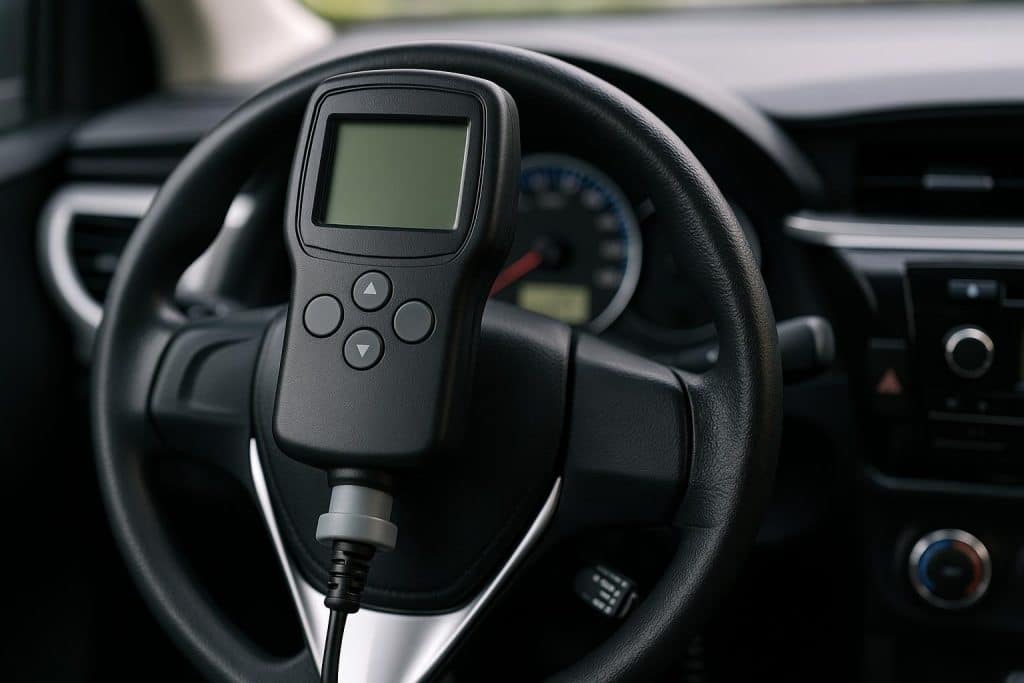
Interlock devices are crucial in enhancing road safety by preventing alcohol-impaired driving. By understanding their functionality and benefits, we can contribute to safer driving environments. In Australia, Smart Start Interlocks in Australia provides comprehensive solutions that facilitate responsible driving habits and reduce the risk of accidents.
Understanding Interlock Devices
An interlock device is a breathalyser that connects to a vehicle’s ignition system. It requires the driver to provide a breath sample before starting the vehicle. If the device detects a blood alcohol concentration (BAC) above the preset limit, the vehicle will not start. This mechanism is essential in ensuring that individuals do not drive while under the influence of alcohol.
The Importance of Interlock Devices
Implementing interlock devices has proven to be an effective measure for reducing alcohol-related road incidents. Studies indicate that these devices can significantly decrease the rate of repeat offences among convicted drink drivers. By mandating the use of interlock devices, authorities can promote safer roads and further discourage driving under the influence.
How Interlock Devices Work
Once installed, the interlock device requires drivers to perform breath tests periodically while the vehicle is in operation. This measure ensures continuous sobriety throughout the journey. The data collected by the device, including any attempts to start the vehicle with a BAC over the limit, is recorded and can be reviewed by regulatory bodies.
Efficient Installation and Maintenance
Proper installation is crucial for the effective functioning of interlock devices. Service providers ensure that the devices are installed correctly and offer maintenance services to keep them operational. When searching for “interlock device installation near me,” it is essential to choose certified professionals to avoid malfunction and ensure reliability.
Legal Implications
Many jurisdictions require the use of interlock devices as part of the legal penalty for driving under the influence. Offenders are usually mandated to install these devices for a specified period, often determined by the severity of the offence and previous driving records. Compliance with these requirements is critical to regain driving privileges.
Public Awareness and Education
Public awareness campaigns play a vital role in educating drivers about the benefits and responsibilities associated with interlock devices. Educational efforts can help demystify the use of these tools and highlight their role in promoting public safety.
Benefits of Interlock Devices
Beyond enhancing road safety, interlock devices offer multiple benefits. They serve as a corrective measure, providing offenders with the opportunity to reform their behaviour over time. Additionally, they offer a level of freedom that might otherwise be lost after a conviction, allowing individuals to retain the ability to drive legally.
Technological Advancements in Interlock Devices
Technologies in interlock devices are continuously evolving. Modern devices now include features such as real-time reporting and GPS tracking, providing additional layers of security and accountability. These advancements enhance the effectiveness of the devices and provide authorities with comprehensive data for monitoring.
The Future of Interlock Devices
As technology continues to advance, interlock devices are likely to become more sophisticated and integral to vehicle safety systems. Future developments may include integration with other intelligent vehicle systems, further contributing to the prevention of alcohol-impaired driving.
Overall, the alcohol ignition interlock has emerged as a key player in the campaign for safer roads. By enforcing their use and increasing awareness, society can work towards significantly reducing the dangers of drink driving.
Conclusion
Education on interlock devices is a step towards fostering a culture of responsible driving. By understanding their functionality and benefits, communities can promote safer driving habits and reduce alcohol-related incidents on the road. Engaging with educational materials and professional installations will not only enhance road safety but also empower drivers to make informed decisions.