

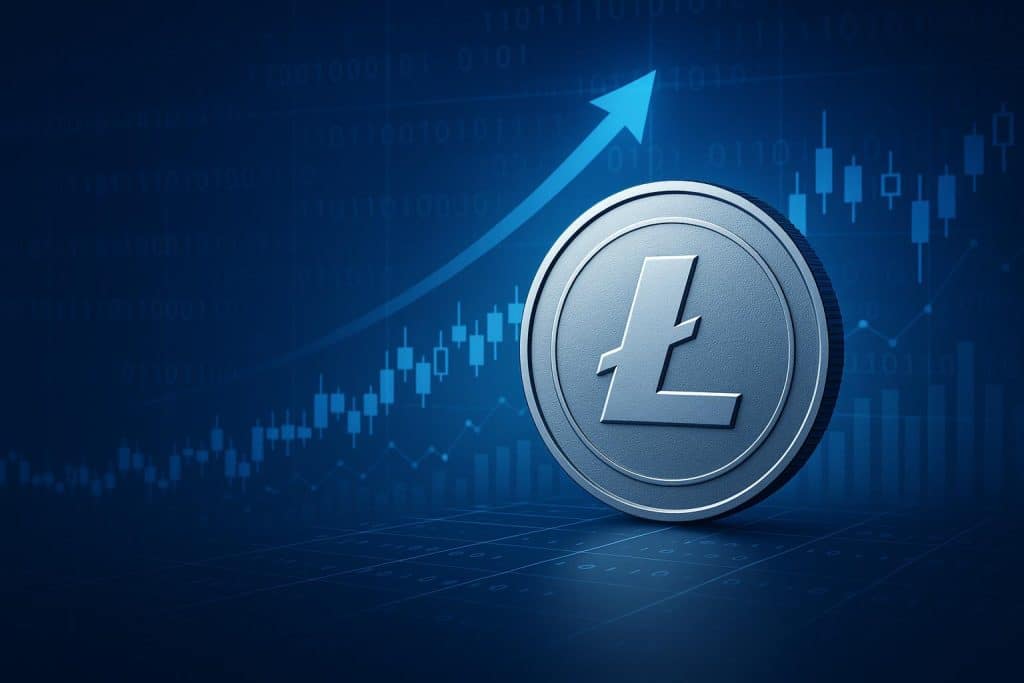
The global financial landscape is undergoing a significant transformation as digital assets move from the experimental stage into the mainstream financial system. At the center of this shift is the ongoing evolution of established digital currencies that have proven their longevity over more than a decade. As the market matures toward 2025 and 2026, investors and analysts are increasingly focused on how older assets will adapt to a world of institutional adoption and advanced blockchain infrastructure. Among these, one of the most enduring names is Litecoin, which continues to be a subject of intense scrutiny regarding its future value and utility.
Originally introduced as a lighter and faster alternative to the first decentralized digital currency, this asset was designed to handle more transactions at a lower cost. It utilized a different technical foundation to ensure it remained accessible for decentralized mining and everyday commerce. Over the years, it has earned a reputation for reliability and has often been described as a secondary standard to the primary digital gold. This enduring presence is a testament to its technical stability and the trust it has built within the global community of digital asset users.
The current market for digital assets is being driven by a massive increase in trading volumes and a surge in interest from large financial institutions. These organizations now view digital currencies not just as speculative experiments but as a legitimate new investment class. This shift is crucial because it brings higher levels of liquidity and more sophisticated financial tools to the market. As more participants enter the space, the demand for assets that offer proven security and fast transaction speeds is expected to grow.
One of the primary factors influencing the future of digital currencies is the ongoing development of underlying technology. Blockchain is increasingly being viewed as essential infrastructure for the next generation of financial services. This includes the digitization of traditional assets, such as real estate or securities, which could reshape how wealth is transferred globally. In this new era, the efficiency and interoperability of established networks will be key. Assets that can seamlessly integrate with modern payment systems and digital wallets are likely to see the most significant adoption.
Regulatory developments also play a vital role in shaping the outlook for the market. Governments and central banks around the world are currently working to create frameworks that balance innovation with consumer protection. Some nations have even launched their own digital currencies to modernize their local economies. These actions reflect a broader acceptance of digital finance and provide a clearer path forward for private assets. While challenges remain, the movement toward a regulated and transparent ecosystem is generally seen as a positive step for long term sustainability.
The integration of digital technology into everyday life is also a major driver for adoption. The rise of the internet of things and decentralized ledger technology is creating new opportunities for automated, secure transactions between devices. In a world where machines can exchange value without human intervention, the speed and low cost of specialized networks become paramount. This is where the historical strengths of established fast transaction networks come into play, potentially opening up use cases that were not possible in the early days of the technology.
Looking ahead to 2026, the digital asset landscape is expected to reach a new level of maturity. Analysts often use complex statistical models to project price movements, with some suggesting that established coins could see steady growth as they become more integrated into global commerce. However, the value of these assets is not just about the number on a screen. It is about the utility they provide as a borderless, transparent, and decentralized way to store and transfer wealth. The shift from experimentation to enterprise grade deployment signifies that the digital economy is here to stay.
In conclusion, the future of established digital currencies like the one often called the silver to digital gold is tied to the broader maturation of the financial technology sector. By offering a balance of speed, security, and a long track record of performance, such assets are well positioned to remain relevant in an increasingly crowded market. As institutional adoption continues to rise and the technology behind these systems becomes more user friendly, the transition to a truly digital global economy will continue to accelerate. The coming years will likely be defined by how these early innovators adapt to a more regulated and integrated world of finance.”