

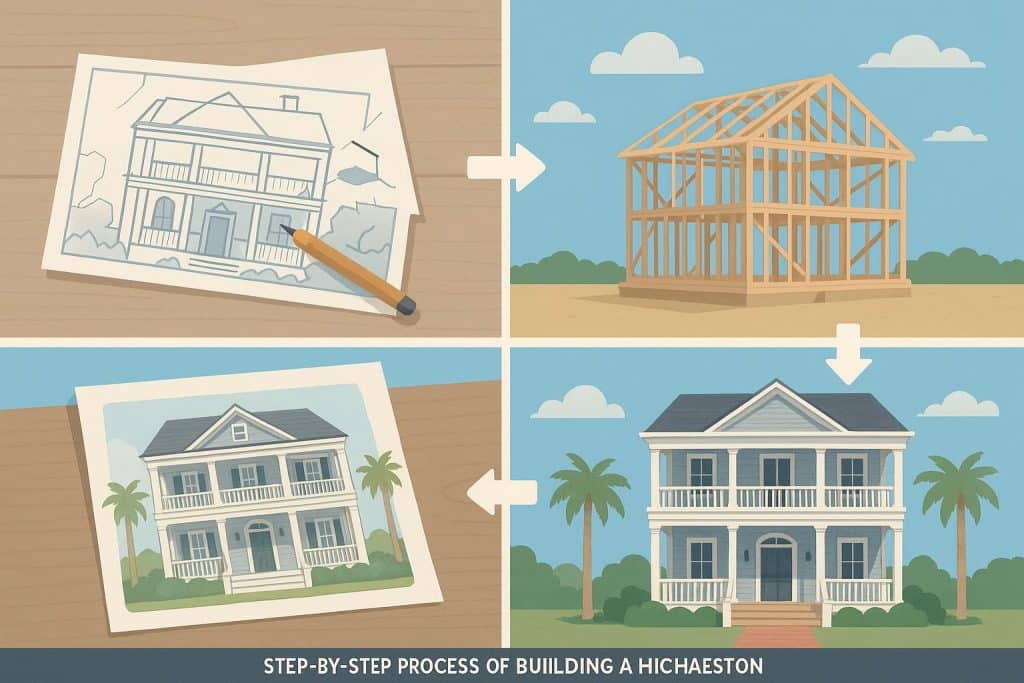
Building a custom home in Charleston, South Carolina, is as much about honoring the past as it is about creating a functional modern space. The city’s distinct historic footprint, coastal climate, and stringent preservation guidelines require a highly specific approach to design and construction. For anyone looking to build a high-end property in the Lowcountry, navigating the progression from a vacant lot or teardown to a finished residence demands patience, deep local expertise, and precise engineering.
Understanding how these complex elements come together ensures that a custom structure not only complements Charleston’s unique visual heritage but also stands resilient against the elements for generations.
Navigating Pre-Construction and Regulatory Hurdles
The initial phase of a premium residential build in Charleston focuses heavily on compliance, site analysis, and historical context. Unlike typical suburban developments, the coastal environment and local ordinances introduce unique challenges right from the start.
The Role of Architectural Review Boards
In many parts of Charleston, particularly downtown and within established historic districts or master-planned communities, the Board of Architectural Review (BAR) or local design review committees exercise strict oversight. These boards regulate everything from building heights and massing to paint colors, shutter hardware, and window profiles. Securing approvals requires a collaborative relationship between your architect and local authorities to ensure the proposed design respects regional proportions and classical details.
Coastal Geotechnical and Structural Realities
Charleston’s geography presents specific civil engineering challenges. High water tables and alluvial soils mean that standard foundations rarely suffice for custom builds.
- Soil Testing: Geotechnical engineers must conduct soil borings to determine load-bearing capacity.
- Driven Piles or Helical Piers: Most high-end structures require deep foundation systems, using wooden piles or steel piers driven deep into the earth to anchor the home.
- Vessel/Flood Regulations: FEMA flood maps dictate elevation requirements. Designing a home that elevates the main living spaces while maintaining an appealing aesthetic street presence is a delicate balancing act.
From Concept to Construction: The Step-by-Step Method
Once the site constraints and regulatory approvals are cleared, the physical and architectural transformation begins.
1. Conceptual Design and Spatial Orientation
A thoughtful design considers the specific microclimate of the Lowcountry. Traditional Charleston architecture like the iconic “Single House” evolved to handle the intense summer heat. Modern high-end homes replicate these smart historical features by incorporating deep piazzas (covered porches) positioned to catch prevailing harbor breezes, large windows that maximize natural light without creating excessive solar heat gain, and high ceilings that allow hot air to rise away from living zones.
2. Sourcing Resilient, Authentic Materials
Material selection is a critical factor in ensuring both historical accuracy and long-term durability. The coastal air is highly corrosive, and humidity levels remain elevated for much of the year. Premium builds typically prioritize:
- Siding: Smooth-finish fiber cement, true horizontal wood siding, or traditional hand-applied oyster-shell tabby stucco.
- Roofing: Standing-seam copper or 5V-crimp metal roofs, which offer superior wind resistance and age into a beautiful patina.
- Windows and Doors: Impact-rated glass capable of withstanding hurricane-force winds, built with solid wood or clad frames that resist salt-air degradation.
Working alongside experienced luxury home builders in charleston sc allows homeowners to source these specialized materials while ensuring installation practices meet or exceed strict coastal building codes.
3. Interior Architectural Detailing
Inside a premium Charleston home, the craftsmanship shows in the millwork and finish quality. Standard trim is replaced with custom-milled casings, deep crown moldings, and authentic shiplap or tongue-and-groove ceiling treatments. Wide-plank engineered hardwood flooring is generally favored over solid wood due to its superior stability in fluctuating humidity levels.
Weighing the Investment: Benefits and Constraints
Embarking on a custom build in this region offers distinct advantages, but it is important to maintain realistic expectations regarding the limitations of the process.
The Benefits
- Complete Personalization: Every room, view, and storage solution is tailored precisely to your lifestyle and aesthetic preferences.
- Modern Efficiency: New homes incorporate advanced building envelopes, variable-speed HVAC systems with dedicated dehumidification, and smart-home integration behind a classic exterior.
- Long-Term Equity: A expertly constructed custom home in a highly desirable coastal market holds significant intrinsic value and historical appeal.
The Limitations
- Extended Timelines: The permitting, architectural review, and intricate foundation work can add months to the front end of a project before framing even begins.
- Premium Cost Structures: Specialist labor, hurricane-resilient engineering, and historic-grade materials inherently drive up the cost per square foot compared to standard construction.
Common Questions Regarding Custom Lowcountry Builds
How long does the entire design-build process typically take?
On average, a high-end custom home in the Charleston area takes anywhere from 14 to 24 months from the initial design consultation to final handover, depending heavily on the complexity of the site and the review board schedule.
Can modern eco-friendly features be integrated into historic-style designs?
Absolutely. Geothermal heating and cooling, spray-foam insulation, and energy-efficient low-E glass are regularly integrated into traditional architectural frameworks without compromising the home’s historic aesthetic.