

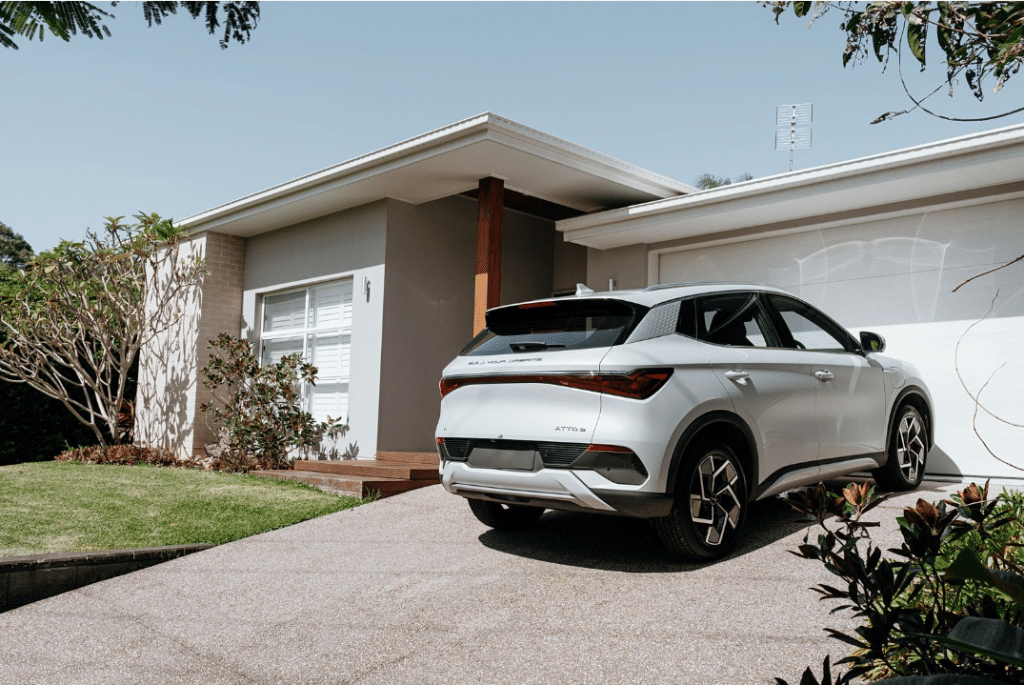
Electric vehicles are no longer a rare sight on Australian roads. From the coastal highways of Queensland to the busy streets of Melbourne and Sydney, EVs have firmly entered the mainstream. But as thousands of drivers swap the petrol pump for a charging plug, many are hitting an unexpected bump: the cost of insuring them.
If you have looked at EV insurance premiums lately, you might have noticed some fluctuation. It is a shifting landscape, and understanding why these prices move is the first step toward keeping your household budget under control.
The Reality Behind EV Insurance Pricing
There is a common misconception that insurers simply slap a premium on electric cars because they are new or high-tech. The reality is more grounded in practical economics. When an insurance company calculates a premium, they look closely at the potential cost of claims. For electric vehicles, a few specific factors push those numbers around.
Specialist Parts and Repair Networks
Standard internal combustion engine vehicles have a massive network of local mechanics and readily available third-party parts across Australia. EVs are different. They rely heavily on proprietary technology and specialized components. If you get into a blemish in suburban Adelaide, your car might need to be transported to a specific, certified repair facility. Fewer qualified repairers means less competition, which generally drives up labor costs.
The Battery Factor
The battery pack is the heart of an EV, and it is also the most expensive component by a wide margin. Even a relatively minor collision can sometimes raise safety concerns about internal battery integrity. If the manufacturer guidelines dictate that a battery must be replaced after a specific type of impact, the repair bill skyrockets. In some cases, a damaged battery pack can cause a relatively new vehicle to be written off entirely because the replacement cost rivals the market value of the car.
Advanced Driver Assistance Systems (ADAS)
EVs are packed with sensors, cameras, and radar systems designed to keep you safe. However, these gadgets are usually housed in vulnerable areas like the front bumper, grille, and windscreen. What used to be a simple bumper replacement on an older car now involves replacing and calibrating complex digital sensors.
How EV Costs Compare to Traditional Cars
To get a clearer picture of how these variables play out in the real world, it helps to look at where the expenses actually sit. According to recent insights from Australian insurance company Youi the financial dynamics of running a vehicle are shifting across the board, with tech and parts availability playing a massive role in overall maintenance and insurance calculations.
Here is a general look at how the risk and repair profiles differ:
| Cost Factor | Traditional Petrol/Diesel Vehicles | Electric Vehicles (EVs) |
| Routine Servicing | Higher frequency, involves fluids, filters, and moving engine parts. | Lower frequency, mostly tyres, cabin filters, and brake checks. |
| Average Repair Time | Shorter, due to widely available parts and local mechanic expertise. | Longer, often requiring specialized technicians and imported components. |
| Component Replacement | Individual parts can be swapped out relatively cheaply. | Battery or sensor damage often requires major, high-cost assemblies. |
| Accident Write-Off Risk | Moderate, usually tied to structural frame damage. | Higher, often triggered by safety protocols regarding battery impacts. |
Smart Ways to Bring Down Your Premium
While you cannot change the market cost of EV components, you do have a fair amount of control over how your specific policy is structured. If you want to keep your comprehensive car insurance costs manageable, a few deliberate adjustments can make a noticeable difference.
- Re-evaluate Your Excess
Choosing a higher excess is one of the most direct ways to lower your regular premium payments. If you are a confident driver with a clean record and a secure garage, opting to pay a bit more out of pocket in the event of a claim means the insurer takes on less immediate risk, which they pass back to you as a discount. Just ensure you keep that excess amount accessible in a savings account just in case.
- Accuracy with Kilometre Limits
Many Australians are driving less than they used to, thanks to hybrid working arrangements. If your EV mostly does the school run or short commutes around Brisbane, make sure your policy reflects that. Accurate, lower kilometre declarations often attract lower rates because less time on the road statistically translates to a lower probability of an accident.
- Review Who is on the Policy
It is easy to leave family members on your policy by default, but listing a driver under 25 can noticeably bump up your premiums due to standard risk profiling. If a younger family member rarely or never drives the EV, removing them from the listed drivers can instantly trim the cost.
- Lean into Security Features
Where do you park at night? A locked garage in a quiet suburb presents a much lower risk than parking on a busy main road overnight. If you have installed extra security systems or if your EV has advanced built-in tracking and anti-theft tech enabled, ensure your insurer knows about it.
Frequently Asked Questions
Why is EV insurance sometimes higher than petrol car insurance?
It mostly comes down to the specialized nature of the repairs. The lack of a widespread third-party parts market for EVs, combined with the high cost of battery packs and the need for specialized technicians, means claims can cost insurers more to settle.
Does the type of EV I drive affect the cost?
Absolutely. Just like petrol cars, high-performance models or luxury EV brands will cost more to insure than modest, commuter-focused electric hatchbacks. The retail price and performance capabilities remain major factors.
Are there specific discounts available for electric vehicles in Australia?
Some Australian insurers offer specific incentives or lower rates for eco-friendly or low-emission vehicles to encourage adoption. It is always worth asking your provider if they offer an electric vehicle discount.
If my EV battery degrades over time, will my comprehensive insurance pay for a replacement?
No, general wear and tear or gradual battery degradation is not covered by standard car insurance. Insurance is designed for sudden, accidental events like collisions, fires, or storm damage. Gradual loss of battery capacity is usually handled under the manufacturer’s original 8-year or 160,000km warranty.
Does installing a dedicated EV wall charger at home change my car or home insurance?
Your car insurance remains unaffected, but it is highly recommended to update your home buildings policy. A dedicated wall charger is considered a permanent fixture of your home. Informing your insurer ensures it is properly covered under your total building sum insured in case of an electrical fire, storm damage, or household incident.
Summary
The Australian electric vehicle market is evolving rapidly. While the technology inside these cars offers incredible benefits on the road and at the charging station, it does require a slightly different approach to risk and protection. By understanding what drives these premium shifts and actively managing your policy details, you can comfortably enjoy the benefits of electric driving without breaking the budget.