

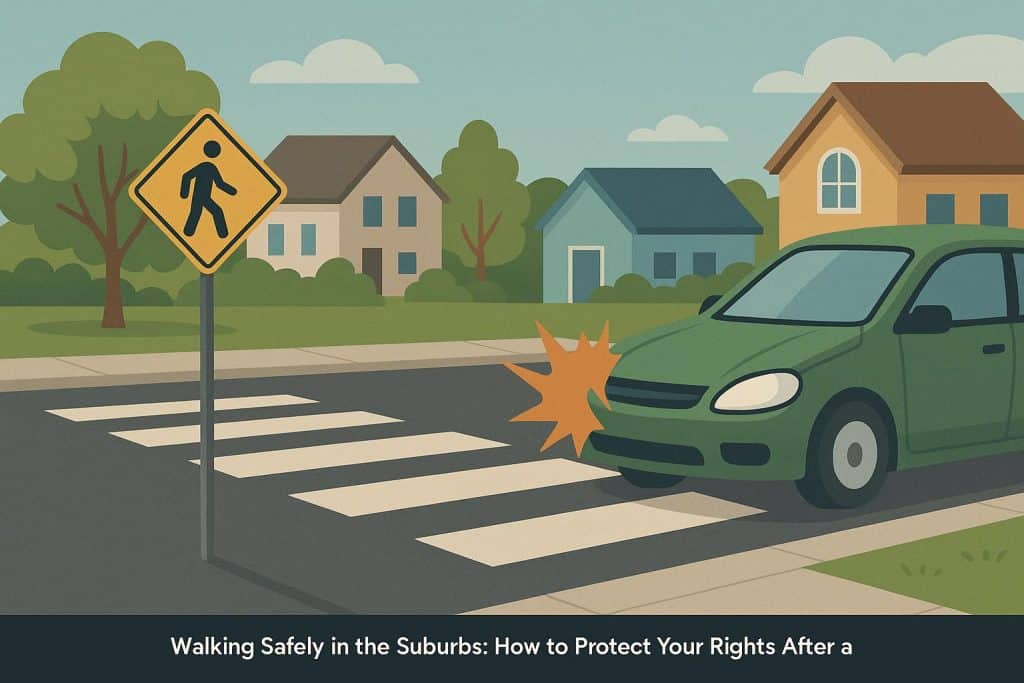
Getting hit by a car while you are walking can flip your life upside down in a matter of seconds, but finding the right help from an experienced attorney for pedestrian accident victims in Fishers will ensure your family does not carry the financial weight of someone else’s mistake.
When you are out enjoying a walk around the city, the last thing you expect is a careless driver causing a collision. Unfortunately, as our suburban spaces grow more crowded, foot traffic accidents are becoming a major safety issue across the country. Understanding local traffic laws, knowing the common danger zones in the area, and learning how to protect your legal rights can make all the difference if you ever find yourself facing a long medical recovery.
The Changing Landscape of Safety in Fishers
Our community has shifted from a quiet suburb into a bustling, active city with a population that loves to get outdoors. Local leaders have put a lot of work into building excellent footpaths, including the famous five-mile stretch of the Nickel Plate Trail that connects various neighborhoods and commercial areas. The city even built a major pedestrian tunnel beneath 116th Street to keep walkers safe from the heavy traffic moving through the downtown core. Despite these great additions to our local infrastructure, the mix of heavy commuter traffic and crowded walkways still creates serious risks for anyone traveling on foot.
Outside of the dedicated trails, walkers must navigate busy suburban streets that were primarily designed for vehicles. Local accident data indicates that certain spots see far more vehicle conflicts than others. Intersections like 126th Street and Enterprise Drive, which features five busy lanes without a standard traffic light, can be highly dangerous for anyone attempting to cross. The city has also worked to replace high-risk spots, like the intersection at 96th Street and Allisonville Road, with multi-lane roundabouts to lower the risk of severe collisions. When drivers fail to pay attention at these intersections, the person on foot always suffers the worst consequences.
Why Walking Accidents Happen in the Suburbs
Most collisions between vehicles and people walking happen because a driver loses focus on the road for a few crucial seconds. Distracted driving is a massive problem on local roads, especially during the hectic morning and evening rush hours. A motorist who is looking down at a smartphone map, checking a text message, or adjusting their radio will easily miss a person stepping into a painted crosswalk.
Speeding is another major factor that turns minor mistakes into catastrophic injuries. When a driver travels too fast through commercial districts or residential areas, their stopping distance shrinks dramatically. Even if they see a walker at the last second, they cannot brake in time to avoid an impact. According to federal traffic safety data compiled by the National Highway Traffic Safety Administration, even a small increase in vehicle speed significantly raises the likelihood of a pedestrian collision turning fatal.
A lack of visibility also causes many of these incidents. A large percentage of pedestrian collisions happen during twilight hours or at night when natural light is low. Drivers turning left at intersections often look out for other large vehicles but completely fail to check for individuals crossing the street. This issue is compounded when suburbs lack continuous street lighting in newer residential developments.
Understanding Indiana Traffic Laws for Walkers
Indiana has specific statutes in place to govern how motorists and people on foot must share the public roads. According to state law, drivers have a strict legal duty to exercise due care to avoid colliding with any pedestrian. Motorists must yield the right of way to a person crossing the roadway within any marked crosswalk, and they are legally prohibited from passing another vehicle that boasts a stopped position at a crosswalk to let someone pass.
At the same time, state laws also require individuals on foot to follow basic safety guidelines. For example, you are not supposed to suddenly leave a curb and walk into the path of a moving vehicle that is so close that it is impossible for the driver to yield. If you are crossing a street outside of a marked crosswalk, the law states that you must yield the right of way to oncoming traffic. The full text of these regulations can be reviewed directly within the Indiana General Assembly Official Code, which details the exact legal responsibilities of both parties.
How Partial Fault Affects Your Legal Case
Many people worry that they cannot seek any financial recovery if they were partially to blame for the incident, perhaps because they were jaywalking or looking at their own phone while crossing. Indiana uses a legal framework known as modified comparative fault to handle these situations. Under this rule, you can still recover compensation for your medical bills and lost earnings as long as your percentage of blame does not go over 50 percent.
If you are found to be partially at fault, your final financial recovery will simply be reduced by your percentage of blame. For instance, if a jury determines that your total damages equal 100,000 dollars, but they decide you were 20 percent at fault for the crash, your final compensation check will be 80,000 dollars. However, if your share of the blame reaches 51 percent or more, state law bars you from recovering any money from the driver. Insurance adjusters know this rule well, and they regularly try to pin the blame on injured walkers to protect their company profits.
The Real Cost of an Injury Claim
The physical impact of getting struck by a multi-ton vehicle is almost always severe, often resulting in broken bones, deep lacerations, spinal cord damage, or traumatic brain injuries. The financial impact can build up just as quickly, starting with the initial ambulance ride and emergency room treatment. A proper legal claim seeks to recover both economic and non-economic damages to make sure you are not left paying these bills out of your own pocket.
Economic damages cover the tangible, easily calculated financial losses caused by the wreck. This includes your current medical bills, the projected cost of future physical therapy or surgeries, and the wages you missed out on while taking time off work to heal. Non-economic damages cover the intangible impacts of the crash, such as your physical pain, emotional distress, anxiety, and the loss of enjoyment in your everyday life.
Critical Steps to Take After an Intersection Crash
If you are ever involved in a foot traffic collision, the actions you take in the immediate aftermath will heavily influence your physical recovery and your future legal case. Your absolute top priority must be your health, so you should always call for emergency medical help right away, even if you feel okay initially. The shock and adrenaline of an accident can easily mask serious internal injuries or concussions that require professional evaluation.
If you are physically able to do so while waiting for emergency responders, try to collect as much evidence as possible at the scene. Use your phone to take clear photos of the vehicle that hit you, the license plate, the specific intersection layout, and any visible injuries. Exchange names, phone numbers, and insurance details with the driver, but avoid arguing with them or apologizing for the incident. Look around for any witnesses who stopped to help, and ask for their contact information before they leave.
Dealing with Insurance Companies and Legal Timelines
It is highly common for an insurance adjuster to call you within a few days of the collision to offer a quick settlement check. While getting immediate cash might seem helpful when your regular bills are piling up, these initial offers are almost always far lower than what your case is actually worth. Insurance companies want to close the file before you realize the true long-term cost of your medical treatments and ongoing physical therapy.
You should never sign any insurance releases or give recorded statements without consulting a legal professional first. Indiana sets a strict two-year statute of limitations on personal injury lawsuits. If you do not file a formal case in court within two years of the date of the collision, you lose your legal right to demand compensation forever. Working with a dedicated advocate ensures that you meet every deadline while focusing entirely on your physical healing.