

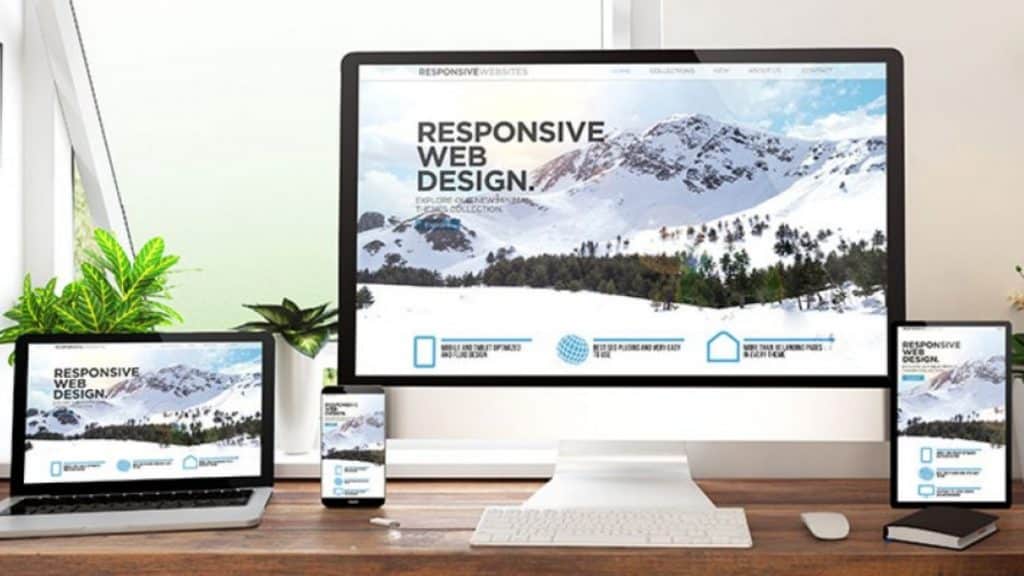
In today’s digital age, a business’s online presence is more critical than ever. A well-designed website can make a significant difference in attracting and retaining customers. However, the digital landscape is constantly evolving. To stay relevant, businesses must ensure their websites are future-proof. This means adopting responsive and adaptive web design practices to cater to changing technologies and user behaviors.
What is Responsive Web Design?
Responsive web design (RWD) refers to creating websites that provide an optimal viewing experience across various devices. Your site should adapt seamlessly whether your audience uses a desktop, tablet, or smartphone.
Responsive web design features flexible grids and layouts, scalable images, and media queries to adjust the design based on device capabilities. For instance, a responsive website might shift from a multi-column layout on a desktop to a single-column layout on a mobile device. This adaptability ensures that users have a consistent and positive experience, no matter how they access your site.
What is Adaptive Web Design?
Adaptive web design (AWD) is a slightly different approach. Instead of one flexible layout, adaptive design uses multiple fixed layouts designed for specific screen sizes.
Adaptive web design involves distinct layouts for different devices, predefined screen sizes such as mobile, tablet, and desktop, and faster load times for specific devices due to tailored content delivery. For example, an adaptive website might have a unique design for tablets that differs from its smartphone and desktop versions. This approach can provide a highly tailored user experience, optimizing performance for each device type.
Benefits of Responsive and Adaptive Web Design
Both responsive and adaptive web designs offer advantages. Incorporating these practices enhances the user experience, boosts SEO performance, and drives traffic and engagement.
A smooth user experience can lead to conversion rates. Users who can easily navigate your site are more likely to convert into customers. Additionally, search engines tend to favor mobile-friendly websites, so utilizing adaptive designs can improve your search rankings, making it more straightforward for potential customers to discover your site.
As the number of people using devices for internet browsing continues to rise, having a website that functions across all devices can significantly increase your traffic and engagement levels. Moreover, maintaining a site is often more cost-effective and less time-consuming than managing multiple versions tailored for different devices.
Why You Should Seek Professional Help
Implementing responsive and adaptive designs can be complex, and seeking professional help is beneficial for several reasons. Eversite’s web design professionals, for instance, stay updated on the latest web technologies and trends, allowing them to implement best practices to ensure your site remains competitive. They can also ensure your site performs optimally across all devices, enhancing user experience and reducing bounce rates.
Moreover, experts know how to design with SEO, improving your site’s visibility. They can also use design strategies to boost conversion rates. Many businesses have seen significant improvements after hiring professional web designers. For example, a retail company might increase sales due to a more user-friendly mobile site.
Future Trends in Web Design
The web design landscape is continuously evolving, with several trends to watch. Mobile-first indexing, for instance, is becoming increasingly important as search engines like Google prioritize mobile-friendly sites in their rankings. Optimizing for mobile is no longer optional.
Voice search is another trend gaining traction. As voice-activated devices become more popular, designing websites that accommodate voice search is crucial. Additionally, AI and machine learning are starting to influence web design, offering personalized experiences and predictive analytics to improve user engagement.
Progressive Web Apps (PWAs) are also on the rise. PWAs combine the best web and mobile apps, providing fast, reliable, and engaging user experiences even in poor network conditions.
Conclusion
Future-proofing your website with responsive and adaptive design is essential in the ever-evolving digital world. Implementing these strategies ensures your site is accessible and user-friendly across all devices, from desktops to smartphones. This enhances the user experience and significantly improves your site’s search engine optimization (SEO). As a result, you can expect higher engagement levels and increased conversion rates, leading to more successful online interactions and business growth. Investing in responsive and adaptive design is a proactive step toward sustained relevance and success in a competitive digital landscape.