

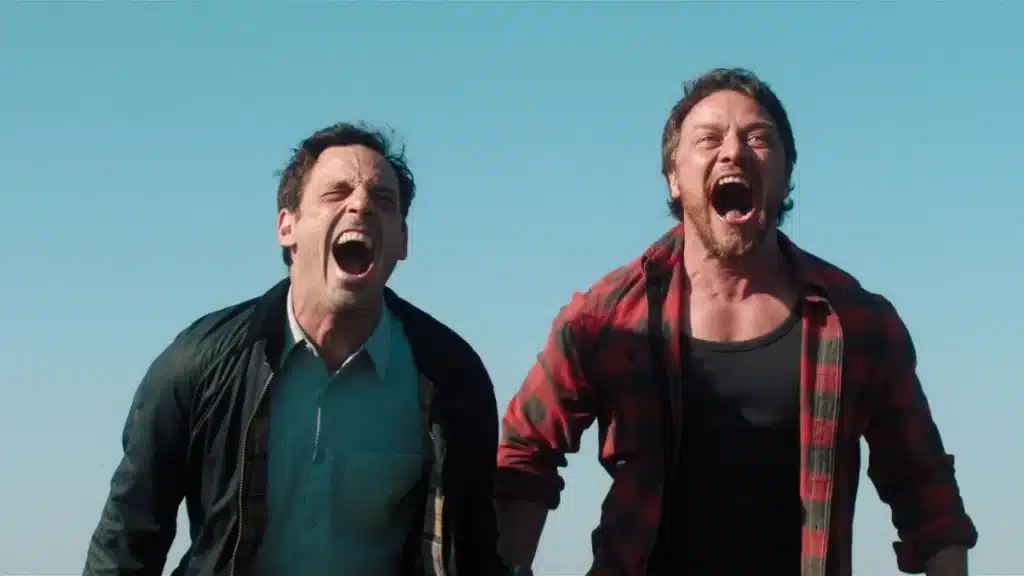
You click play hoping for a scare, and initially, the film delivers—until it reveals itself as another casualty of the industry’s frustrating marketing habits. While the buzz surrounding James McAvoy’s performance is palpable, the preview shifts from setting the mood to revealing the third-act escape by the two-minute mark.
Why do horror trailers spoil the movie? It violates narrative economy, acting like a first date who recites their entire life story immediately—destroying the mystery before the relationship even begins.
The ‘Marketing of Certainty’: Why Hollywood Thinks You’re Afraid of the Unknown
It seems backward to ruin a movie in its own ad, but studios aren’t being careless; they’re practicing “risk aversion.” In an era where a Friday night at the movies costs as much as a nice dinner, executives believe you won’t buy a ticket for a mystery box. They treat modern horror movie marketing problems like selling a car: they want you to inspect every feature before you drive off the lot.
Trailers have morphed from teasers into full-blown summaries, engaging in the “Marketing of Certainty.” This strategy aims to eliminate your hesitation by proving the film delivers on three specific fronts:
- Guaranteed Value: Showing the biggest set-pieces proves the budget is actually on screen.
- Star Power: Highlighting heavy hitters like James McAvoy ensures you know exactly whose performance you’re paying for.
- No Surprises: Minimizing the risk of “unexpected” or weird content that might confuse a mainstream crowd.
While viral hits like Longlegs recently proved that mystery can still sell tickets, the industry generally clings to the safety of over-sharing. Unfortunately, the real impact of spoiler-filled marketing on horror films is that it transforms a terrifying experience into a checklist of expected scenes. This desperate need to explain everything sets the stage for a jarring comparison with the original film’s approach to fear.
From Whisper to Scream: How the 2024 Remake Sanitizes the Original’s Dread
Think of the 2024 remake as a cultural “translation.” Studios fear American audiences will get bored by slow-burn dread, so they “localize” the story by swapping vague unease for high-octane thrills. The original relied on awkward social pressure to suffocate the characters, but the Blumhouse version appears to trade that psychological nuance for a traditional survival template where threats are obvious.
This shift highlights the differences between Danish and American Speak No Evil styles. In the 2022 original, the horror came from the characters’ polite refusal to be rude. The new trailer, however, focuses on McAvoy’s explosive violence, signaling that the victims are no longer helpless participants in their own demise—they are action heroes.
Ultimately, how Hollywood sanitizes foreign horror films involves adding a safety net of hope. The remake promises a fair fight, whereas the original promised a nightmare you couldn’t wake up from. If the trailer’s spoilers deflated your excitement, you need a strategy to protect your viewing experience next time.
Reclaiming the Mystery: A Simple Guide to Avoiding Trailer Saturation
You don’t have to let studios ruin the suspense of psychological horror trends. Adopt the “20-Second Rule”: watch a trailer just until you understand the vibe, then click away before the plot points hit. By engaging with mystery rather than over-explained marketing, you tell studios you don’t need spoilers to buy a ticket.
So, is the Speak No Evil remake worth watching? Yes, particularly for how it handles social anxiety themes in contemporary horror. But the best viewing experience requires going in blind. Reclaim the thrill of the unknown and let the movie, not the trailer, tell you the story.