

Table of Contents
1. Introduction
2. Understanding DAB and FM Radio
3. The Importance of Antennas in Radio Reception
4. Types of Aerials: DAB vs. FM
5. How to Choose the Right Aerial for Your Needs
6. Installation Tips for Optimal Performance
7. Troubleshooting Common Reception Issues
8. The Future of Radio Transmission
9. Home Vision: Enhancing Your Audio Experience
10. Final Thoughts on Aerial Technology
Introduction
In the digital age, where streaming services dominate audio consumption, traditional radio still holds a special place in many hearts. Whether it is for music, news, or talk shows, radio offers a unique experience that resonates with listeners worldwide. However, to enjoy flawless radio reception, quality antennas are crucial. This blog post delves into why a Digital Audio Broadcasting (DAB) and FM aerial is essential for optimal radio performance.
Understanding DAB and FM Radio
DAB is a digital radio technology that transmits audio content using digital signals rather than analog waves, which is the foundation of FM radio broadcasting. While FM has been around for decades and is known for its sound quality, DAB offers several advantages:
1. More Channels: DAB allows broadcasters to transmit multiple channels on the same frequency.
2. Better Sound Quality: The digital format provides clearer audio with less interference.
3. Data Services: DAB can transmit additional information such as song titles and artist names.
While both DAB and FM have their merits, understanding how each functions helps listeners appreciate the necessity of the right aerial.
The Importance of Antennas in Radio Reception
The role of an aerial in radio reception cannot be overstated. An aerial is responsible for capturing radio signals from the air and delivering them to your receiver. The quality of the aerial directly influences the clarity and reliability of the audio you receive.
Factors affecting reception include:
1. Location: Urban areas may face interference from buildings, while rural areas can struggle with weak signals.
2. Aerial Type: Different aerials have unique designs tailored to specific frequencies.
3. Installation Height: Elevating your aerial can significantly enhance signal strength.
Understanding these aspects will enable listeners to make informed decisions about their aerial setup.
Types of Aerials: DAB vs. FM
Choosing between DAB and FM aerials entails knowing their differences in design and functionality:
DAB Aerials
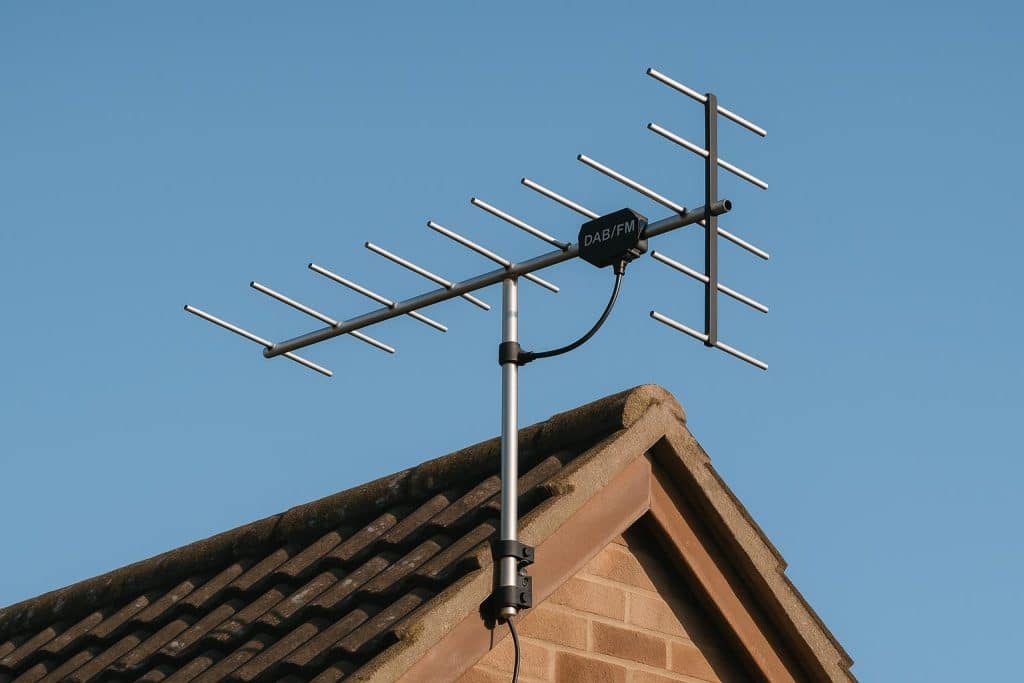
DAB aerials are typically designed to receive digital signals transmitted over UHF bands. They often feature:
Compact Designs: Smaller antennas offer flexibility in installation without sacrificing performance.
Wide Frequency Range: Capable of picking up a broader spectrum of channels compared to FM.
Directional Options: Some models are designed to focus on specific signal sources for improved clarity.
FM Aerials
FM aerials are primarily designed for analog signal reception and usually exhibit:
Longer Wavelengths: These aerials are often longer than their DAB counterparts because they operate at lower frequencies.
Omnidirectional Characteristics: Many FM antennas capture signals from all directions, which can be advantageous in certain locations.
Simple Setup: Most FM antennas are straightforward to install, making them accessible for everyone.
Selecting the right type depends on individual listening habits and local broadcasting capabilities.
How to Choose the Right Aerial for Your Needs
When it comes to purchasing an aerial, consider several factors that influence performance:
1. Location of Use: Assess whether you are in an urban or rural area as this affects signal availability.
2. Type of Content: Determine whether you prefer digital or analog content; this will guide your choice between DAB and FM.
3. Budget Constraints: Aerials vary significantly in price; more expensive models often provide superior performance but may not be necessary for casual listeners.
4. Installation Requirements: Evaluate whether you prefer a simple plug-and-play option or are willing to install a more complex system for better results.
By taking these factors into account, listeners can find an aerial that meets their needs without overspending.
Installation Tips for Optimal Performance
Proper installation is key to maximizing your aerial’s potential:
1. Choose an Elevated Location: Higher placements generally result in better signal quality due to reduced obstructions.
2. Avoid Interference: Keep the aerial away from electronic devices that may cause interference, such as microwaves or televisions.
3. Use Quality Cables: Invest in high-quality cables to reduce signal loss between the aerial and receiver.
4. Adjust Orientation: Experiment with different angles during setup; small adjustments can lead to significant improvements in reception quality.
These installation tips can help ensure that your radio experience remains enjoyable and uninterrupted.
Troubleshooting Common Reception Issues
Even with the best equipment, listeners may encounter issues affecting reception quality:
1. Static or Interference: This can be caused by nearby electronic devices or poor aerial placement.
2. Weak Signals: If certain stations are difficult to receive, consider repositioning your aerial or upgrading to a model designed for weak signals.
3. Loss of Channels: Periodic scanning may be required as new stations become available or current ones change frequencies.
Addressing these common issues promptly can help maintain a seamless listening experience.
The Future of Radio Transmission
As technology advances, so does the landscape of radio transmission:
1. Increased Adoption of DAB: With more countries implementing DAB networks, listeners will benefit from enhanced sound quality and access to diverse content.
2. Integration with Smart Devices: The rise of smart home technology enables seamless integration with radios, providing users with intuitive control over their listening experiences.
3. Hybrid Broadcasting Models: Combining traditional methods with online platforms offers flexibility and convenience for modern audiences.
The future promises exciting developments that could redefine how we engage with radio content.
Home Vision: Enhancing Your Audio Experience
Home Vision stands out as a brand dedicated to enhancing audio experiences through innovative products tailored for optimal performance in both DAB and FM reception contexts. Their range includes high-quality aerials designed specifically to meet diverse listener needs while ensuring clear sound delivery across different environments.
Investing in Home Vision products means investing in reliability and superior technology that keeps your listening experience at its best.
The journey into flawless radio reception goes beyond just having a good receiver; it encompasses understanding how antennas work and choosing the right one based on individual needs and circumstances.
As we explore various facets of radio technology, it becomes clear that having the appropriate equipment plays a pivotal role in ensuring an outstanding auditory experience that resonates long after the last track has played or news segment concluded.
With thoughtful consideration toward setup and choices made along the way, listeners can truly unlock the potential that lies within their favorite radio channels—making every moment spent tuning in worthwhile rather than merely routine activity undertaken without much thought or care.
By embracing both strategic selections like those offered by Home Vision along with practical measures during installation processes themselves—individuals cultivate an environment where listening becomes not just enjoyable but also fulfilling at every turn encountered along this sonic journey ahead!