

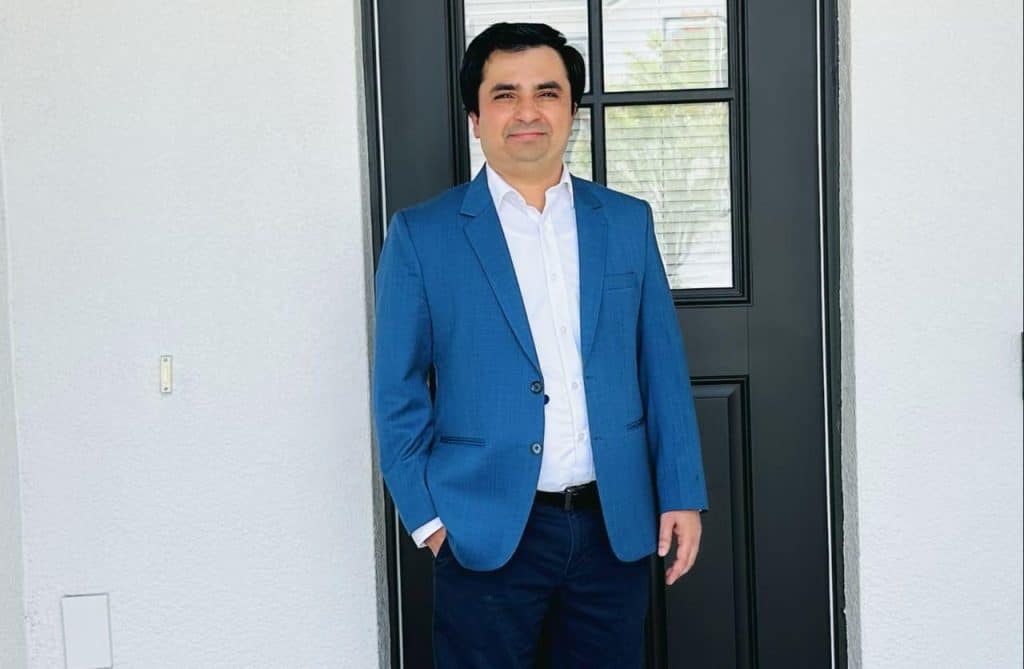
In recent years, minimally invasive therapies have transformed treatment approaches across multiple medical disciplines. Ablation devices and robotic systems are some of the technologies that enable clinicians to carry out accurate, safe surgeries with a shorter time taken by the patient to heal. The developments allow the diseased tissue to be treated at a specific point. The boundaries of the minimally invasive procedures are being pushed constantly by incorporating real-time imaging, artificial intelligence, and robotics. One of the people who has contributed immensely to these medical devices developments is Somashekharayya Hiremath, whose efforts have assisted in driving the industry and shape the future of modern healthcare.
Over the past 15 years, Somashekharayya has held key roles in leading global medical device companies, focusing on developing advanced ablation platforms and robotic-assisted systems. He has been at the forefront of developing and commercializing energy-based ablation and Class III medical products. Among other contributions is his work on robotic bronchoscopy systems that enhance early detection of lung cancer through precise real-time navigation and imaging. He also has expertise in RF, microwave, and chemical ablation technologies, with multiple patent applications. By bridging early research with product development, he has advanced minimally invasive therapy by improving accuracy, reliability, and patient safety.
The impact of the expert’s work is evident through measurable outcomes. At a medical robotics startup, he led R&D efforts that reduced costs by over 25% in a robotic bronchoscopy system through design optimization, DFMEA and manufacturability improvements. He also increased device shelf life significantly, improved reliability, and reduced medical waste. Simplified validation and testing accelerated regulatory approvals, enabling faster product deployment. Subsequently, at a global medical device company, he applied Lean and Six Sigma methodologies to shorten development timelines by 25% and cut manufacturing costs by up to 30%, all without compromising quality. His leadership of cross-functional teams in engineering, clinical, regulatory, and manufacturing areas fostered innovations enhancing safety and precision in robotic and ablation therapies.
Somashekharayya has been a principal leader in the design and validation of an end-to-end system of next-generation robotic bronchoscopy capable of enabling the early detection of lung cancer. Not only did his work involve the design of the bronchoscope handle, shaft, and tip, but also cost-saving engineering and shelf-life improvement projects. He also spearheaded the development of RF, microwave, and chemical ablation devices, guiding them through concept to preclinical validation. These projects enhanced energy modulation, cooling, and safety in ablation catheters and generators, demonstrating his commitment to improving procedural safety and therapeutic accuracy.
The journey toward innovation has not been without challenges. In overcoming challenges, Hiremath addressed complex engineering problems such as integrating energy delivery modules with robotic navigation using modular design and simulation validation. He effectively tackled the high cost and short lifespan of disposable bronchoscopes through value engineering and material optimization initiatives that enhanced durability and reduced production expenses. His work on adaptive energy modulation and advanced cooling reduced equipment overheating by 20%, improving ablation precision and durability. These advancements reinforced safety, manufacturability, and performance in the next generation of minimally invasive device engineering.
Beyond product innovation and development, he has established himself as a thought leader in medical robotics and ablation technologies, contributing extensively through publications and peer-reviewed research. His authored work focuses on robotic-assisted bronchoscopy systems and next-generation ablation devices that enhance diagnostic accuracy and therapeutic precision. He has also served as a peer reviewer for scholarly publications in medical robotics, MedTech innovation, and healthcare engineering, helping shape both academic and industry perspectives that drive progress in the field. His experience in developing technical documentation, validation protocols, and test methods across multiple global organizations underscores his dedication to scientific rigor, regulatory excellence, and advancing the standards of medical technology development.
Looking forward, Somashekharayya Hiremath envisions a future where robotics, imaging, and ablation technologies work closely together to transform minimally invasive therapy. Robotic bronchoscopy is advancing rapidly with AI-guided navigation and smart imaging tools that enable doctors to make precise decisions in real time. The ablation systems are also automating and becoming smart and fully automated, intelligent and capable of assessing lesions in real time and dynamically adjusting energy delivery for optimal treatment outcomes. The accessibility and the safety of treatments will increase due to new technologies such as micro-sensors, improved cooling systems, and AI-driven compliance with regulations. The future of medicine is the ability of these devices, as they get smaller and more interconnected, to provide faster, personalized care in numerous healthcare facilities.
As Somashekharayya observes, “Advancing these technologies enables clinicians to offer treatment options that seemed impossible just a few years ago.” This vision highlights the ongoing transformation toward a more efficient and effective healthcare sector today.