

Foldable phones promise one device that works like both a phone and a small tablet. Many people now wonder whether these flexible-screen devices can finally replace traditional tablets for everyday use. Search results are full of comparisons between foldables and standard tablets, with reviewers testing how they handle work, streaming, gaming, and social media. Buyers are increasingly interested in whether they can stop carrying two separate devices and rely on a single screen for everything. This article explores how foldable phones compare with tablets, where they perform well, and where they still fall short, helping you decide whether a foldable device can realistically become your main screen.
Why Foldable Phones Are Growing Fast
Better Portability and Flexibility
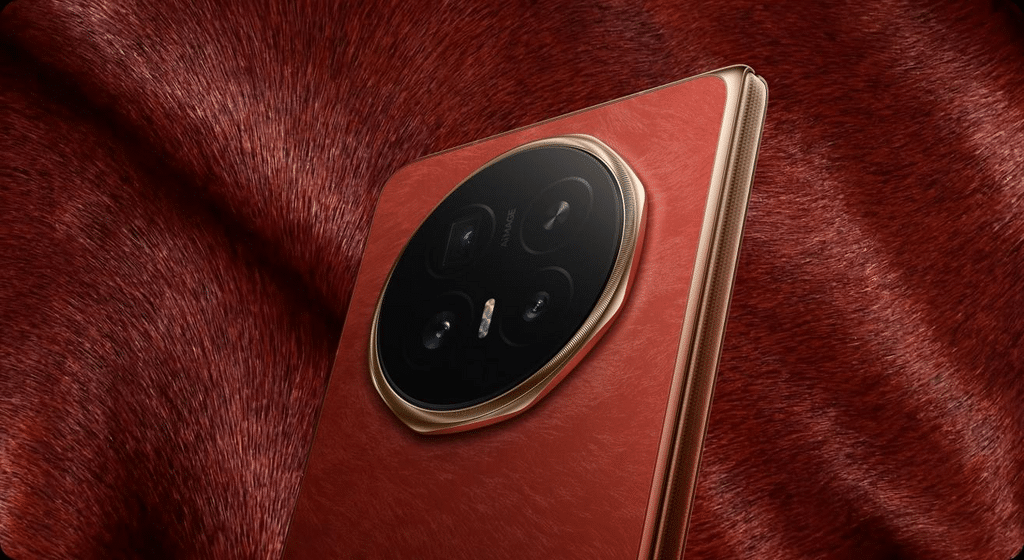
Foldable phones attract people who want a big screen that still fits in a pocket. Devices such as the honor magic v6 uae showcase how modern foldables can combine portability with a larger viewing experience. When closed, most foldables feel like a regular smartphone you can use with one hand. Open them, and you get a screen closer to a small tablet for reading, maps, or split-screen apps. This flexibility reduces the need to carry both a phone and a tablet every day. Many SERP reviews highlight that frequent travelers and commuters enjoy this “two-in-one” form factor. They can watch shows, read documents, or browse the web more comfortably on the larger display. Then, they fold it back down when they move. The HONOR Magic V6 is often cited as an example of how foldable technology balances productivity and convenience. That mix of comfort and portability drives a lot of interest and sales.
Improved Multitasking Features
Most top foldable phones support advanced multitasking that you usually see on tablets. You can open two or even three apps side by side, drag and drop files or text between them, and use floating windows for quick tasks. Popular tech blogs in Google search note that brands tweak Android to work better on foldable screens. For example, certain models have a taskbar along the bottom, making app switching faster. Others let you run one app on each half of the screen. This feels much closer to a small laptop than a phone. As the software improves with each update, foldables handle emails, notes, documents, and social apps at the same time more smoothly, which boosts their appeal as tablet replacements.
Foldable Phones vs Tablets: Main Differences
Screen Size and User Experience
Screen size is still the biggest gap between foldable phones and tablets. Even the largest foldables usually open to around 7–8 inches. Common tablets often range from 10 to 13 inches or more. That extra space makes a big difference for split‑screen work, drawing, or reading PDFs. Many SERP reviews point out that foldable phones feel great for casual reading, social feeds, and short video sessions, but long sessions of design work or complex spreadsheets still feel cramped. Aspect ratios also matter. Some foldables have tall, narrow displays when open, which can create black bars when streaming movies. Tablets usually offer more consistent layouts for apps and media. Foldables deliver a better phone plus “mini‑tablet” experience, but they do not fully match large tablet comfort yet.
Battery Life and Performance
Battery life depends heavily on how you use a foldable phone. The larger internal screen draws more power than a normal smartphone display. Many foldables include big batteries, yet long gaming or streaming sessions can drain them faster than a comparable tablet. Tablets often have larger batteries and thicker bodies, so they handle extended video playback more easily. Performance is closer. High‑end foldables use flagship processors, fast RAM, and generous storage, which matches or beats many mid‑range tablets in benchmarks. But heavy tasks like long 4K video editing or advanced 3D games can heat up the compact foldable body, causing some throttling. SERP reviews often recommend foldables for short creative tasks and casual gaming, while dedicated tablets or laptops still win for all‑day, intensive workloads.
Where Foldable Phones Work Best
Entertainment and Social Media
Foldable phones shine when you want a richer entertainment experience than a regular smartphone without carrying a tablet. Open the device and you get a wider view for YouTube, TikTok, Instagram Reels, or Twitch streams. The bigger screen makes comments easier to read and controls easier to tap. Many tech blogs highlight that foldables feel perfect for eBooks and web comics as well, especially when you hold them like a small book. Some models let you fold the screen halfway and prop it up on a table, which turns the phone into its own stand for hands‑free watching. For casual games and cloud gaming, the extra screen space helps with on‑screen controls. For pure, long‑form movie watching, though, larger tablets still provide a more cinematic view.
Work, Video Calls, and Productivity
For work and productivity, foldables offer serious benefits over standard phones. You can keep email on one side of the screen and a calendar, notes app, or browser on the other. This setup makes it easier to respond to messages, check data, and update documents on the go. Many reviews on Google SERP also praise “laptop‑style” video calls. You can fold the device at an angle, rest it on a desk, and have the camera at a good position without a stand. This helps in quick meetings, remote classes, or family calls. However, typing long reports or editing complex spreadsheets still feels better on a tablet with a keyboard or a laptop. Foldables work best as a powerful mobile companion, not always a full desktop replacement.

Conclusion
Foldable phones can replace tablets for many people, but not for every use case. If you mainly stream videos, browse social media, read, and handle light work, a modern foldable offers a great mix of portability and screen size. You carry one device and still enjoy a larger display when you need it. However, users who rely on a tablet for drawing, long study sessions, or intensive work may still prefer a bigger screen and longer battery life. Current SERP reviews point to steady improvements in durability, software, and performance for foldables. As prices fall and more brands join the market, foldable phones will likely replace tablets for casual users first, while power users keep both for the best experience.