

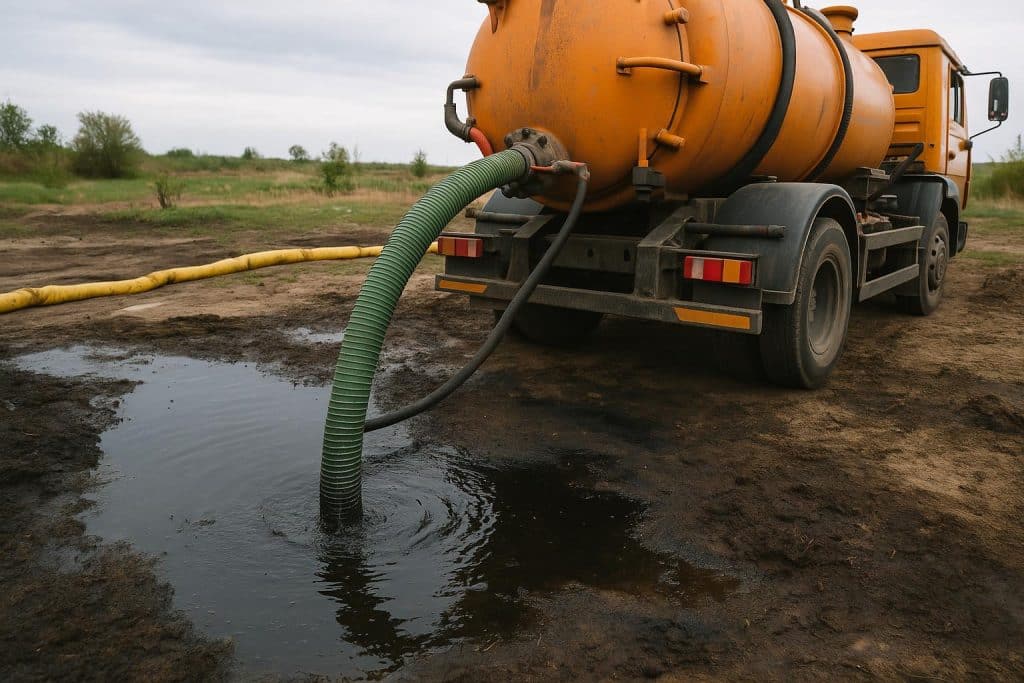
Environmental contamination can create serious challenges for businesses, municipalities, construction sites, and industrial facilities. Whether caused by hazardous spills, wastewater accumulation, sludge buildup, or improper waste disposal, environmental issues can lead to regulatory fines, property damage, operational disruptions, and expensive cleanup efforts. Fortunately, proactive waste management and cleanup solutions can significantly reduce these risks.
One of the most effective tools for preventing environmental damage is the use of vacuum truck services. These specialized vehicles are designed to safely remove liquids, sludge, debris, and hazardous materials from a wide range of environments. By helping organizations manage waste efficiently and respond quickly to potential hazards, vacuum trucks play a critical role in protecting both the environment and business operations.
Understanding Environmental Risks
Environmental problems often develop when waste materials are not properly managed. Industrial facilities, construction sites, manufacturing plants, and municipal systems all generate waste that must be handled carefully.
Common environmental risks include:
- Chemical spills
- Oil leaks
- Contaminated wastewater
- Stormwater pollution
- Overflowing catch basins
- Sewer backups
- Hazardous material releases
When these issues are left unaddressed, contaminants can spread into soil, groundwater, rivers, and surrounding ecosystems. Cleanup costs can quickly escalate, making prevention a far more cost-effective strategy.
What Are Vacuum Trucks?
Vacuum trucks are specialized vehicles equipped with powerful suction systems and storage tanks. These systems are designed to collect liquids, sludge, solids, and debris from various locations and transport them for proper disposal or treatment.
Vacuum trucks are commonly used for:
- Industrial cleaning
- Wastewater removal
- Tank cleaning
- Spill response
- Sewer maintenance
- Catch basin cleaning
- Hydro excavation
Their versatility makes them valuable tools for environmental protection across multiple industries.
Preventing Hazardous Material Contamination
One of the primary ways vacuum trucks prevent environmental problems is through the safe removal of hazardous substances. Industrial operations often generate materials that can pose significant risks if released into the environment.
Examples include:
- Petroleum products
- Chemicals
- Industrial sludge
- Contaminated water
- Toxic waste materials
When hazardous materials are quickly removed and contained, the risk of contamination is significantly reduced. Professional operators follow strict procedures to ensure waste is transported and disposed of according to environmental regulations.
Supporting Rapid Spill Response
Spills can occur unexpectedly due to equipment failures, transportation accidents, or human error. Even relatively small spills can spread rapidly and affect large areas if not addressed immediately.
Fast spill response is critical because it helps:
- Contain contaminants
- Minimize environmental impact
- Reduce cleanup costs
- Protect nearby water sources
- Limit operational downtime
Vacuum trucks are often among the first resources deployed during environmental emergencies because they can quickly remove spilled materials before contamination spreads.
Protecting Soil and Groundwater
Soil and groundwater contamination can have long-lasting consequences. Once pollutants enter the ground, they may migrate into underground water supplies and affect surrounding properties.
Sources of contamination may include:
- Fuel leaks
- Chemical spills
- Wastewater discharges
- Improper waste storage
Vacuum trucks help prevent these issues by removing contaminants before they have an opportunity to penetrate the soil. This proactive approach helps protect natural resources and reduces the need for costly remediation projects.
Maintaining Stormwater Systems
Stormwater systems are designed to manage runoff and prevent flooding. However, debris, sediment, oil, and other pollutants can accumulate within drainage infrastructure over time.
Without regular maintenance, stormwater systems may experience:
- Blockages
- Overflow events
- Water pollution
- Reduced drainage efficiency
Routine cleaning using vacuum equipment helps remove accumulated materials and ensures stormwater systems function as intended. This protects local waterways from pollution and reduces the risk of environmental violations.
Preventing Sewer Overflows
Municipal sewer systems and industrial wastewater systems require ongoing maintenance to prevent backups and overflows.
Sewer overflows can result in:
- Water contamination
- Public health risks
- Property damage
- Regulatory penalties
Vacuum trucks are commonly used to remove sediment, grease, sludge, and debris from sewer lines and lift stations. Regular cleaning helps maintain system capacity and reduces the likelihood of unexpected failures.
Assisting With Industrial Tank Cleaning
Storage tanks are commonly used to hold liquids, chemicals, fuel, and wastewater. Over time, sediment and sludge accumulate inside these tanks, reducing efficiency and increasing environmental risks.
Failure to clean tanks regularly can lead to:
- Corrosion
- Leaks
- Equipment damage
- Contamination events
Vacuum trucks provide an efficient method for removing waste materials from tanks while minimizing exposure risks. Clean tanks operate more effectively and are less likely to experience failures that could harm the environment.
Reducing Regulatory Risks
Environmental regulations require businesses to manage waste responsibly and prevent contamination. Failure to comply with these regulations can result in significant financial consequences.
Potential penalties may include:
- Fines
- Legal action
- Operational restrictions
- Cleanup obligations
- Reputational damage
Routine waste removal and environmental maintenance help organizations remain compliant with local, state, and federal regulations. Proper documentation and responsible waste handling demonstrate a commitment to environmental stewardship.
Improving Workplace Safety
Environmental hazards often create safety concerns for employees and contractors. Standing waste, chemical residues, and contaminated materials can increase the risk of accidents and health issues.
Vacuum truck operations help improve workplace safety by:
- Removing hazardous materials
- Reducing exposure risks
- Maintaining clean work environments
- Supporting regulatory compliance
A safer workplace benefits employees while reducing liability for business owners.
Supporting Sustainable Operations
Sustainability has become an important goal for many organizations. Preventing environmental contamination is a key part of responsible business operations.
Vacuum trucks support sustainability efforts by:
- Reducing pollution risks
- Facilitating proper waste disposal
- Protecting natural resources
- Supporting recycling and treatment processes
Organizations that prioritize environmental protection often experience long-term operational and financial benefits.
The Financial Benefits of Prevention
Environmental incidents can be extremely expensive. Costs may include emergency response, cleanup services, regulatory fines, legal fees, and property restoration.
Preventive maintenance is often far less expensive than remediation after contamination occurs.
Benefits of proactive environmental management include:
- Lower cleanup costs
- Reduced downtime
- Fewer regulatory issues
- Extended equipment life
- Improved operational efficiency
Investing in routine waste management and environmental services can provide substantial long-term savings.
Choosing Professional Environmental Services
Effective environmental protection requires specialized equipment, training, and expertise. Professional service providers understand how to safely manage waste materials and respond to environmental risks.
Experienced teams can:
- Assess potential hazards
- Develop maintenance schedules
- Respond to emergencies
- Ensure regulatory compliance
- Implement preventive solutions
Working with qualified professionals helps organizations minimize environmental risks while maintaining safe and efficient operations.
Conclusion
Environmental problems can result in significant financial, operational, and legal challenges. Fortunately, many of these issues can be prevented through proactive waste management and routine maintenance. Vacuum trucks provide an effective solution for removing hazardous materials, maintaining infrastructure, responding to spills, and protecting natural resources.
By addressing contamination risks before they escalate, businesses and municipalities can avoid costly environmental damage and maintain compliance with regulatory requirements. Investing in preventive environmental services is not only a responsible choice—it is also a smart strategy for protecting property, people, and the environment for years to come.