

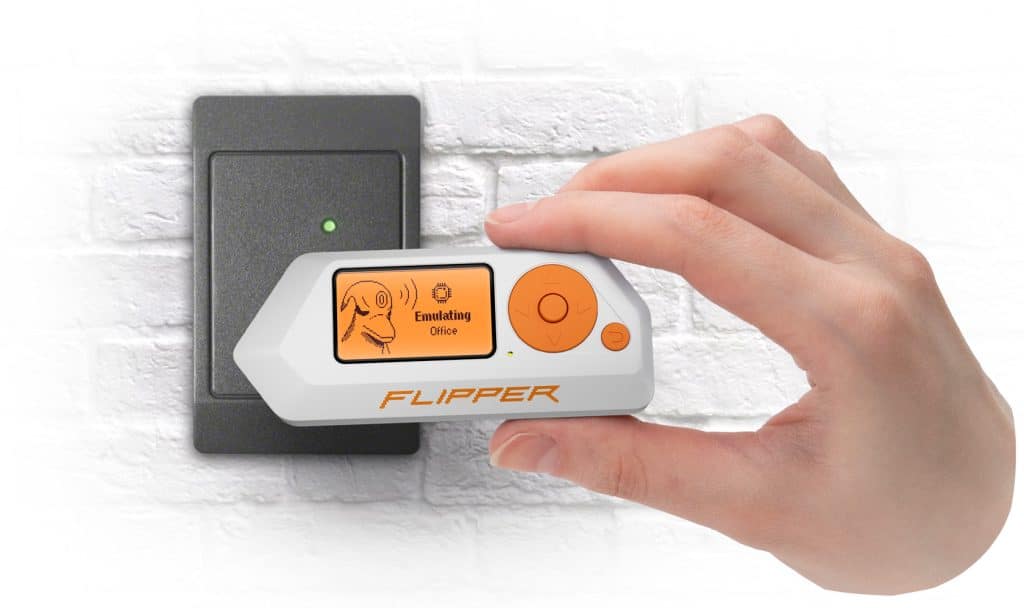
You’ve likely seen videos of a tiny gadget with a pixelated dolphin magically opening car ports. People constantly search to see if this device is actual magic (Flipper Zero).
According to security professionals, this infamous tool is just a digital Swiss Army knife for invisible wireless signals. Beneath its toy-like exterior, it merely reads and repeats silent radio conversations happening nearby.
Flipper Zero: How the ‘Digital Stencil’ Works to Copy Your Keys
Every time you click a remote, it shouts a secret code through the air. Devices like the Flipper Zero act as digital parrots for these signals. Using a built-in Sub-GHz radio frequency transceiver, the gadget listens to the invisible code, records it, and plays it back later. This simple “record and replay” trick—known as signal emulation—is the starting point of almost any exploration into the device.
Imagine this multi-tool tuning into three specific “radio channels” in your daily life:
- Sub-GHz: The long-range radio waves used by basic garage door openers.
- NFC & Infrared: Short-range signals driving remote emulation, allowing it to interact with tap-to-pay terminals and mall televisions.
- RFID: The low-frequency signals hidden inside hotel keys and office badges.
Capturing this data works exactly like a digital stencil. When learning how to clone RFID key cards, the device traces your badge’s invisible shape to trick scanners into granting access later. Yet, just because it copies basic keys doesn’t mean it breaks advanced systems.
Why Your Modern Car is Likely Safe (and Why Amazon Banned the Device Anyway)
Despite the viral videos, stealing a modern vehicle isn’t as simple as recording a key fob. Automakers use “rolling codes” to stop these tricks. Instead of a static password, your car key generates a brand new, one-time code every time you press it. This constantly changing handshake is the main method for protecting car keyless entry from replay attacks, meaning an old, copied signal becomes instantly useless.
So, why did Amazon ban the Flipper Zero if it cannot easily steal cars? The retailer worried about digital mischief, specifically a feature acting like a fake, plugged-in keyboard. This trick, called BadUSB script execution via HID emulation, rapidly types commands into an unattended computer. Still, if you are wondering if the device is legal to own, the answer is absolutely yes. It is a legitimate educational tool, and mastering these concepts ethically shows exactly how to turn curiosity into a deeper understanding of cybersecurity.
Flipper Zero: How to Turn Curiosity into Practical Security Skills
While social media makes it look like magic, these are just the invisible signals shaping our digital world. Instead of merely watching hacks online, you can embrace this multi-tool as an educational cybersecurity device for beginners. It transforms everyday curiosity into a real gateway for learning security concepts.
Mastering ethical hacking with handheld devices starts by safely practicing in your own environment. Three safe ways to start:
- Audit your own home remotes.
- Join the official Discord community.
- Explore the Flipper Lab for custom apps.