

Every day, drivers across the state search for information about recent Florida car accidents to stay informed about traffic incidents, road conditions, and crashes affecting their communities. Whether you’re looking into an accident that happened nearby, checking on a roadway closure, or researching an incident involving a friend or family member, access to reliable accident information can provide valuable clarity during an uncertain situation.
When a crash occurs, one of the most important records created is the official car crash report. This document contains detailed information about the accident and serves as a critical resource for insurance companies, attorneys, and individuals involved in the collision. While many drivers know they should obtain a copy of the report, far fewer understand exactly what information it contains and why each section matters.
Learning how to read a Florida crash report can help you better understand what happened, identify potential errors, and prepare for insurance or legal discussions. By becoming familiar with the report’s contents, you’ll be in a stronger position to protect your interests and make informed decisions following an accident.
What Is a Florida Car Crash Report
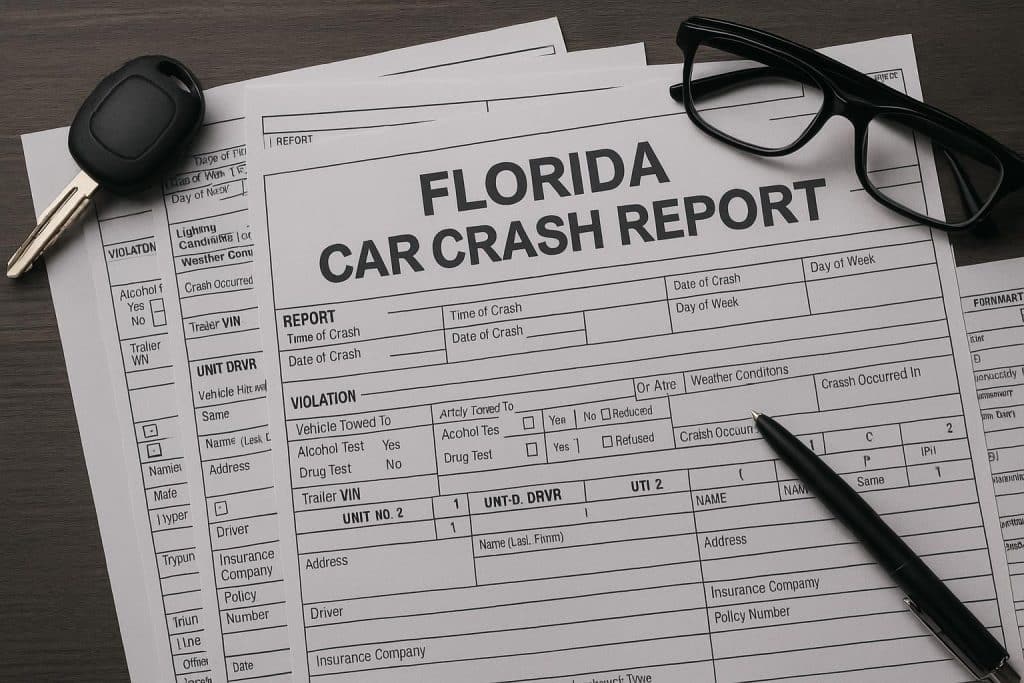
A Florida car crash report is an official document completed by law enforcement after investigating an accident. The report is designed to capture the key facts surrounding the collision and create a permanent record of the incident. Depending on the severity of the crash, the responding officer may gather information from drivers, passengers, witnesses, and evidence observed at the scene.
These reports play an important role in documenting what occurred and are frequently referenced by insurance companies during claims investigations. They can also provide valuable insight into how law enforcement interpreted the accident and any contributing factors that may have been present.
Why Crash Reports Are Important After an Accident
Many people don’t realize how much influence a crash report can have after an accident. Insurance adjusters often review the report early in the claims process to understand the circumstances of the collision. Attorneys may also use the report as part of their investigation when representing injured clients.
The report serves as a central source of information and can help establish timelines, identify involved parties, and document observations made at the scene. Having access to this information allows drivers to better understand how their accident is being evaluated and what information may affect future decisions regarding compensation or liability.
Key Information Found in a Florida Crash Report
Florida accident reports contain multiple sections, each designed to document a different aspect of the collision. Understanding these sections can help you interpret the report more effectively.
Accident Date, Time, and Location
One of the first sections identifies when and where the accident occurred. This includes the date, time, roadway, intersection, or specific location where the collision took place. These details establish the foundation of the report and help investigators accurately identify the event.
Driver and Vehicle Information
The report will typically include information about all drivers and vehicles involved. This may include names, addresses, driver’s license information, vehicle descriptions, registration details, and insurance information. Reviewing this section carefully is important because errors can occasionally occur when information is collected under stressful circumstances.
Witness Statements
If witnesses were present, their statements may be summarized within the report. Witness accounts can provide additional context and may help clarify conflicting versions of events. Insurance companies often consider witness information when evaluating claims.
Officer Observations and Narrative
The officer narrative is often one of the most significant sections of the report. Here, the responding officer explains their observations and provides a description of how the accident likely occurred. This section may reference roadway conditions, driver actions, vehicle movements, and other factors observed during the investigation.
Many Florida crash reports also include diagrams illustrating vehicle positions and directions of travel. These visual representations can help readers better understand the sequence of events.
How Crash Reports Help Determine Liability
One of the primary reasons crash reports are so valuable is their role in helping insurance companies assess liability. While the report itself does not automatically determine fault, it often contains evidence and observations that help insurers evaluate responsibility.
Factors such as witness statements, vehicle damage patterns, road conditions, and officer observations can all contribute to how liability is assessed. Because insurance companies frequently rely on these details, obtaining and reviewing your report can help you better understand the strengths and weaknesses of your claim.
Common Mistakes to Watch for in a Crash Report
Although crash reports are prepared by trained professionals, mistakes can happen. Drivers should review their reports carefully to ensure all information is accurate and complete.
Some common issues include incorrect vehicle information, misspelled names, inaccurate accident locations, missing witnesses, or errors within the accident diagram. In some cases, important details may have been unintentionally omitted. Identifying these issues early can help prevent complications later during the claims process.
If you discover a significant error, contact the reporting agency to learn whether supplemental information or correction procedures are available.
How AccidentReporter Helps Drivers Find Accident Information
Whether you’re searching for information about a crash that happened today, researching traffic accidents yesterday, or trying to understand details surrounding a recent collision, finding reliable accident information can sometimes be challenging. AccidentReporter helps simplify the process by providing access to valuable accident-related resources and information.
Having access to timely accident information can help drivers stay informed about local incidents, roadway conditions, and important developments following a crash. Reliable information allows individuals to make better decisions and navigate the aftermath of an accident with greater confidence.
Understanding Your Crash Report Can Make a Difference
A Florida crash report contains much more than basic accident details. It provides a comprehensive record of the collision, including information about the people involved, witness accounts, officer observations, and factors that may have contributed to the crash. Understanding these details can help you better prepare for insurance claims, legal discussions, and future decisions related to your accident.
By taking the time to review your report carefully, you can ensure the information is accurate and gain valuable insight into how your accident is being documented. Whether you’re researching a recent crash or dealing with the aftermath of your own collision, understanding what information is included in a Florida crash report can help you move forward with greater clarity and confidence.