


Introduction
Food safety is a pillar in the field of public health, as it helps to guarantee that the food consumed by the population does not contain toxic substances that cause diseases. Foodborne illnesses pose a significant threat to people across the world, as every year, millions of people are affected with mild gastrointestinal discomfort to severe, life-threatening conditions.
Food contamination risks can be detected at each step of the food supply chain, including production and food processing, storage, preparation, and service. It is also critically important that food handlers, management, and safety personnel all understand these risks and put measures in place to prevent them.
This involves more than hygiene practices; it also involves systematic procedures for identifying and managing potential risks. Hazard assessment is one of the main instruments in this endeavor and assists in identifying the points where contamination can take place and the persons responsible for preventing the same.
Combined with hazard identification, pathogen information, and the ways of identifying infected food, gives food preparers the ability to make informed judgments to safeguard consumers.
What Is Hazard Assessment in Food Safety?
This refers to a systematic method of determining the risks. This can be in the form of chemical, physical, or biological threats that are known as hazards. There are biological dangers, such as bacteria, viruses, parasites, etc, that cause food-borne diseases. The chemical risks can include pesticides, cleaning chemicals, or even toxins, whereas the physical risks can be foreign bodies like glass, metal fragments.
A hazard assessment is done to identify the location of these risks through the food handling process and to put measures to reduce or avoid these hazards. Through this, companies are able to prevent contamination proactively, stay in line with the regulations, and maintain consumer trust. Identification of hazards is usually incorporated into wider management schemes, including Hazard Analysis and Critical Control Points (HACCP), which offer a means of monitoring and control.
Who Is Responsible for Conducting a Hazard Assessment?
The responsibility of hazard analysis is not a solo responsibility, but it incorporates various functions in a food organization. The blame is normally on the management and the trained safety staff who are conversant with safety in food laws and best practices. The employers finally have the responsibility of ensuring that they develop an environment in which the assessment of hazards is carried out on a regular basis and that the staff are conscious of the significance of the matter.
The managers and supervisors are essential in applying the results of hazard identification. They make sure that the operational practices, such as storage files and preparation, are in line with the safety provisions. Officers or coordinators are usually required to perform a thorough assessment of the processes, possible hazards, and offer control measures. The cooperation of these positions will help to make sure that hazard evaluations are comprehensive and operational, offering strict guidelines on how to avoid contamination at each of the levels.
For a more detailed guide on responsibilities in food safety, you can refer to Who Is Responsible for Conducting a Hazard Assessment? This resource outlines the legal and operational obligations of different personnel involved in management.
Understanding Pathogens and Food Contamination
Pathogens are the microorganisms that may be disease-causing, and they are one of the most widespread contributors to food contamination. Common culprits of foodborne outbreaks include bacteria, such as Salmonella, E.coli, and Listeria, and viruses, such as Norovirus and Hepatitis A. When there is an absence of good hygiene and cooking, parasites, such as Giardia and Trichinella, may be present in food.
The contamination sources are diverse. These infectious agents can be introduced into food through contaminated raw materials, inappropriate storage conditions, equipment, and the personal cleanliness of food handlers. The primary source of foodborne disease in commercial kitchens is cross-contamination of one food product with another, most commonly through cutting boards, utensils, or even hands.
It assists companies in finding specific interventions to curb food contamination before foods reach the end consumers by understanding these risks.
How Can Food Handlers Identify Contaminated Food?
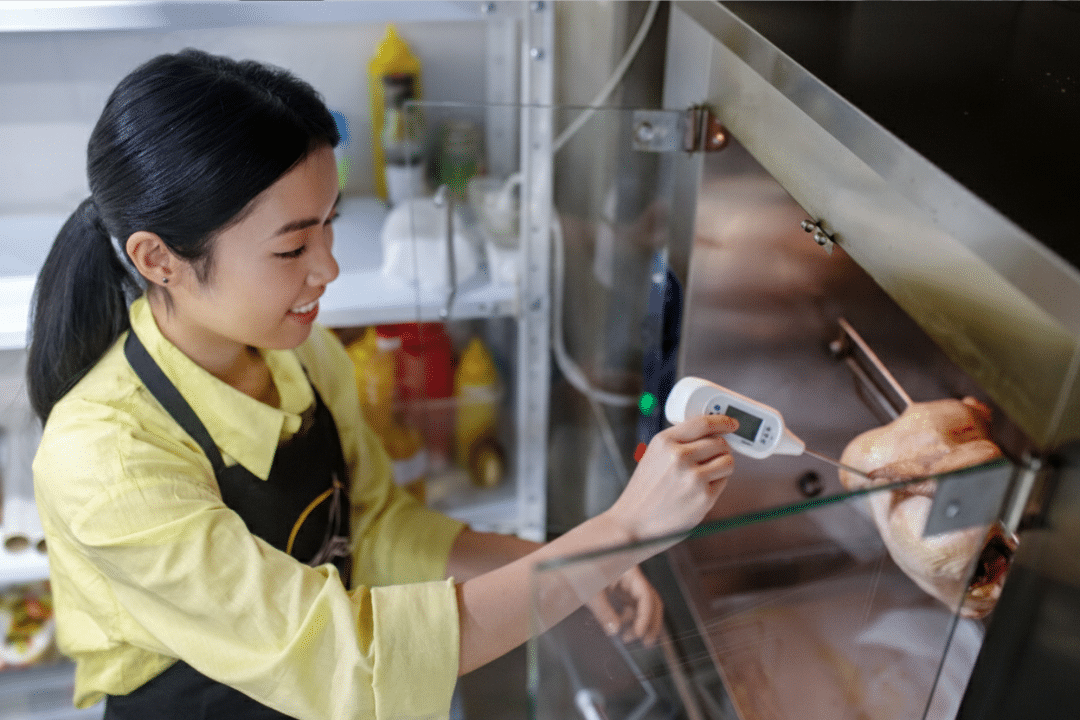
The front-line workers are food handlers who are supposed to check contaminated food in order to avoid diseases. The detection of contamination is based on observation as well as the safety procedures that are in place.
Not all pathogens cause visible changes. For example, rotten food can smell bad, look strange, or feel different. Therefore, it should be handled and monitored appropriately.
One of the most frequently used methods of determining the possibility of contamination is temperature monitoring. Food stored under the conditions of inadequate safe temperatures may facilitate the growth of germs regardless of whether the food is spoiled or not.
On the same note, checking expiry dates, checking supplier safety certifications, and adherence to high standards of cleanliness also assure food preparers of minimal safety standards.
To explore practical methods for detecting contaminated food, visit How Can a Food Handler Identify Food That Has Been Contaminated With Pathogens? This guide offers actionable steps for food preparers to assess and respond to contamination risks effectively.
Best Practices to Prevent Food Contamination
Contamination prevention takes a multifaceted methodology that involves sanitation, storage, cooking, and maintenance of equipment. To begin with, it is necessary to keep the personal cleanliness of the food handlers. Handwashing, clean uniforms, and the use of gloves when handling contaminated materials decrease the chances of contaminating food with the same.
Critical practices to do with storage are also imperative. Refrigeration: Perishable goods must be stored at safe temperatures, usually below 5°C (41°F), whereas hot holding should be stored at temperatures above 60°C (140°F). Raw and cooked foods must be kept differently in order to avoid cross-contamination.
Color-coded cutting boards and utensils used by various types of food, i.e., raw meat and vegetables, further eliminate the risk of cross-contamination between allergens and germs.
Cooking food to the desired internal temperatures is another step to be taken into account. Bacteria may be present in undercooked meat, poultry, and seafood, and temperature control should be very accurate. Cleaning and sanitizing the kitchen surfaces and equipment regularly eliminates the possible sources of pathogens and thus maintains the working environment.
Training and Compliance in Food Safety
Effective management of proper handling of food has training as its pillar. To be able to implement preventive measures at all times, food handlers should be aware of the principles of assessment of hazards, control of germs, and the techniques of proper handling. Best practices are also promoted by regular refresher courses and practical workshops that make sure that all staff remain abreast of the latest requirements of regulations.
Other important factors are the ability to comply with local and international rules. The agencies that regulate the standards of cleanliness, storage, and preparation include the FDA and local health departments.
These guidelines reduce the risk of contamination, prevent legal complications, and allow systems such as HACCP to maintain the structure and organization of the processes, document the actions performed, and simplify the audits and inspections.
Conclusion
Every level of food handling operations is involved with food safety, which cuts across all levels. The identification and control of the risks are structured with the help of hazard identification, and the awareness of the pathogens and signs of contamination enables food handlers to focus on advanced measures.
Organizations can mitigate the risk of food-borne illnesses by taking into consideration the best practices, which include best cleanliness practices, control of temperature, and training of employees, in order to deliver high-quality and safe food to the consumers.
This can be a part and parcel of day-to-day operations through vigilant evaluation, habitual conduct, and attitude to adhere to standards- safeguarding the people and the image of the food premise.