

Key Takeaways
- Immediate medical attention is critical, even for minor injuries.
- Officially reporting the accident helps establish your case.
- Documentation of evidence can protect your right to fair compensation.
- Avoiding admissions of fault preserves your legal rights.
- Knowing your insurance coverage and consulting a lawyer is key.
When you are involved in an accident, the aftermath can be confusing, stressful, and overwhelming. The steps you take in the hours and days after an accident play a crucial role in protecting your rights and ensuring the best possible outcome for your recovery and any legal matters. If you are unsure about what to do next, consulting with an accident lawyer can help you navigate these challenges, provide clarity, and protect your interests as you move forward.
Taking the right actions can help you avoid costly mistakes, secure the compensation you need, and get the care you need to recover from your injuries. The following guide outlines essential steps you can take as an accident victim to safeguard your rights from the very start.
Seek Medical Attention Immediately
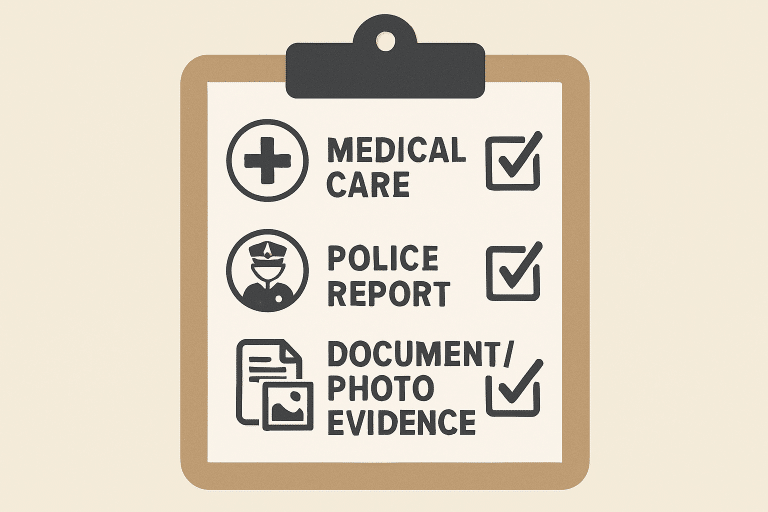
Your immediate priority following an accident should be your health and safety. Even if you feel fine or only have mild symptoms, seek medical evaluation as soon as possible. Some injuries, such as concussions, whiplash, or internal trauma, may not show symptoms right away but can worsen quickly if left untreated. A prompt medical report not only protects your health but also creates a reliable record that connects your injuries to the accident, which can be essential in future insurance or legal claims. The Centers for Disease Control and Prevention (CDC) provides detailed guidance on the symptoms to look for after an accident and why early evaluation is important.
Report the Accident to Authorities
Reporting the accident to local authorities is a critical step for any victim, regardless of the incident’s severity. When you call the police or another relevant authority, you create an official record detailing the time, location, and circumstances of the event. This report can become vital evidence if you need to prove fault or seek fair compensation. Even in situations that may seem minor at first, having an official report can support your claims if injuries or damages manifest or worsen later on.
Document All Evidence
Comprehensive documentation of the scene can significantly affect your outcome. Take clear photographs of vehicle damage, your injuries, road conditions, and any hazards that contributed to the accident. Collect contact information from witnesses who saw what happened and make notes of their accounts while the events are still fresh. Keep copies of all documents related to the accident, such as repair bills, medical reports, and receipts for out-of-pocket expenses. All of these details can strengthen your position when negotiating with insurers or presenting your case in court.
Avoid Admitting Fault
After an accident, it is important to avoid saying anything that might be interpreted as an admission of fault. Admitting responsibility, apologizing, or making speculative statements can be used against you later by insurance companies or other parties involved. When discussing the accident with law enforcement or witnesses, stick to factual information and avoid editorializing or placing blame. Let the evidence and investigation determine liability.
Understand Your Insurance Coverage
Immediately review your insurance policy to understand what is covered and what is not. Policies can be complex, and important details about limits, deductibles, and exclusions are often overlooked. Make sure to contact your insurer as soon as possible to report the accident and clarify any unclear parts of the policy. Understanding these details up front can help you avoid delays and reduce the chances of disputes when seeking compensation for your losses.
Consult a Legal Professional
Reaching out to an attorney with experience in personal injury law ensures you have an advocate who understands the process and your rights. A legal professional can handle communication and negotiations with insurers, identify important details that might be overlooked, and advise you on the best way to proceed. If your case does not settle, an attorney can represent you in court, fighting for the compensation you need for a full recovery. For more information on when to consult a personal injury lawyer, refer to this article from Nolo.
Be Cautious with Insurance Companies
Insurance companies aim to resolve claims quickly and at the lowest possible cost. They may offer a fast settlement in hopes you will accept less than your claim is worth. Accepting a quick payout can limit your ability to seek further compensation later, especially if you discover additional injuries or expenses. Always review any settlement offer carefully and consult an attorney before signing anything or accepting payment from an insurer.
Know Your Rights as a Victim
As an accident victim, you are protected under state and federal laws. Acts such as the Crime Victims’ Rights Act provide rights to protection, information, and restitution during the legal process. Familiarizing yourself with these protections ensures you have the knowledge and confidence to advocate for your needs during recovery and any subsequent legal proceedings.
Conclusion
By following these steps, victims can preserve critical evidence, avoid missteps, and take control of their legal claims. Early action, careful documentation, and seeking the right professional guidance can make a significant difference in achieving fair compensation and protecting your future well-being.