

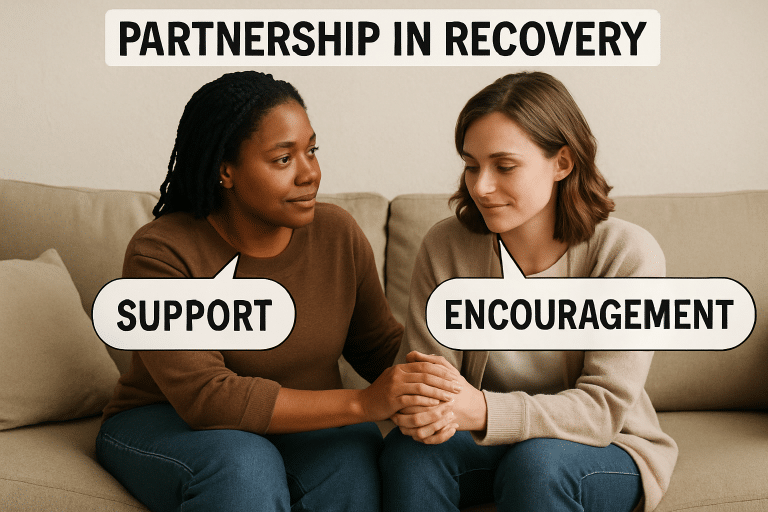
Key Takeaways:
- Accountability partners provide essential support and motivation in the recovery process.
- They help individuals set and achieve specific, measurable goals.
- Regular check-ins with an accountability partner can significantly reduce the risk of relapse.
- Technology and structured programs can enhance the effectiveness of accountability partnerships.
Table of Contents:
- Defining Accountability Partners
- Benefits of Accountability in Recovery
- Establishing Effective Accountability Partnerships
- Leveraging Technology for Accountability
- Overcoming Challenges in Accountability Partnerships
- Conclusion
Recovery from addiction is a demanding path, often filled with obstacles and setbacks. For many, the road to sobriety is difficult to maintain without additional support. Partnering with someone who understands your journey and is committed to your progress can make a tremendous difference in outcomes. Among the most valuable resources for those in recovery is the role of an accountability partner. These individuals bring encouragement, honest feedback, and a sense of responsibility to the process. Working with an accountability partner, or engaging a sober companion, offers tangible benefits that can help individuals overcome temptation and remain focused on long-term recovery.
Accountability partners are more than just friends or supporters. They are pillars of consistent motivation, providing a listening ear and empathetic presence during the highs and lows of recovery. This article explores how accountability partnerships foster sustainable recovery and offers actionable strategies for building and strengthening these important relationships.
Defining Accountability Partners
An accountability partner is a trusted ally in the recovery process, dedicated to helping someone achieve lasting change. This partnership is built on regular check-ins and open communication. The role may be assumed by peers, mentors, family members, or professionals prepared to offer consistent support. Unlike casual friendships, accountability partnerships operate with clear objectives and a mutual commitment to recovery goals.
Many individuals opt to formalize their accountability structure by working with professionals or mentors who can introduce evidence-based methods to help maintain sobriety. With intentional strategies and regular interactions, accountability partners foster a culture of responsibility and commitment, making them key in both early recovery and long-term maintenance.
Benefits of Accountability in Recovery
Engaging with an accountability partner offers powerful advantages during recovery:
- Enhanced Motivation: Consistent encouragement and positive reinforcement boost commitment to sober living.
- Reduced Relapse Risk: Early identification of triggers is possible when accountability partners regularly monitor behaviors, helping to prevent relapse.
- Improved Self-Awareness: Honest feedback promotes introspection, helping those in recovery recognize strengths and areas for growth.
- Strengthened Social Connections: Creating a supportive bond helps combat loneliness and isolation, both common in recovery.
Research has demonstrated the impact of social support in improving recovery outcomes, boosting both confidence and overall mental well-being.
Establishing Effective Accountability Partnerships
Selecting the Right Partner
The most effective partnerships are rooted in trust, respect, and shared commitment. It is essential to choose someone who understands the journey and offers unbiased support. Both parties should be comfortable with open and honest dialogue.
Setting Clear Goals
Structure is vital in accountability partnerships. Establish mutually agreed upon, specific, measurable, achievable, relevant, and time-bound (SMART) goals. This clarity helps both partners track progress and celebrate achievements.
Regular Check-Ins
Scheduled meetings, whether daily or weekly, build continuity and reinforce dedication. These check-ins provide opportunities for honest reflection, troubleshooting, and mutual encouragement.
Open Communication
Transparency is the foundation of successful partnerships. Both individuals should feel comfortable voicing struggles and setbacks without fear of judgment. An open dialogue supports emotional health and strengthens resolve.
Leveraging Technology for Accountability
Technology has expanded opportunities for accountability in recovery. Digital communication tools allow partners to check in remotely and support each other across distances. There are now applications and devices designed specifically for recovery, such as real-time monitoring tools and habit trackers. A popular resource, Soberlink, provides remote alcohol monitoring and reporting, which gives both the recovering individual and their accountability partner actionable data and peace of mind. For those who wish to learn more, Soberlink’s resource explores methods to enhance personal accountability in recovery.
Overcoming Challenges in Accountability Partnerships
- Establish Clear Boundaries: Discuss the partnership’s limits and expectations at the outset to prevent misunderstandings.
- Adapt to Changing Needs: Be flexible as needs and circumstances shift throughout the recovery journey. Adapt methods, goals, and meeting frequencies as necessary.
- Seek Professional Guidance: If the partnership encounters significant obstacles, involving a therapist, counselor, or support group can provide additional insight and help resolve conflicts.
It is natural for challenges to arise in any committed partnership, but with intentional communication and ongoing adaptation, most difficulties can be overcome.
Conclusion
Accountability partners serve as crucial pillars for individuals seeking sustainable recovery. By providing encouragement, structure, and honest feedback, they help reduce risk, maintain motivation, and foster a sense of shared responsibility that is vital for lasting change. Leveraging technology and choosing the right partner allows for an even more effective recovery journey. Those willing to embrace accountability partnerships find themselves better equipped to overcome challenges and stay on the path to long-term wellness. Recovery is never a solitary process, and accountable connections turn an uncertain road into a path forward filled with hope and resilience.